Updated: April 17, 2026
How Electric Car Technology is Revolutionizing the Auto Industry
The automotive industry is undergoing one of its most significant transformations in history, driven by the rapid advancements in electric car technology. As concerns over environmental sustainability and fossil fuel dependency grow, electric vehicles (EVs) are gaining unprecedented traction. This shift is not just about swapping gasoline for electricity; it’s about revolutionizing how we conceive transportation. In this comprehensive exploration, we will delve into the myriad ways electric car technology is reshaping the auto industry, from technological innovations to economic impacts and environmental benefits.
The Rise of Electric Vehicles: A Historical Perspective
Electric vehicles are not a new phenomenon. The history of electric cars dates back to the 19th century, when they were among the first automobiles to be developed. However, the dominance of internal combustion engines overshadowed their initial popularity. It wasn’t until the late 20th century, with growing environmental awareness and advancements in battery technology, that EVs began to make a comeback. The introduction of the Toyota Prius in the late 1990s and Tesla’s Roadster in the 2000s marked pivotal moments, demonstrating the viability and appeal of electric propulsion.
Technological Innovations Driving the Revolution
At the heart of the electric vehicle revolution are several groundbreaking technological advancements. Key among these are improvements in battery technology, particularly lithium-ion batteries, which have become the standard due to their high energy density and longevity. Companies are investing heavily in next-generation battery technologies like solid-state batteries, which promise even greater efficiency and safety.
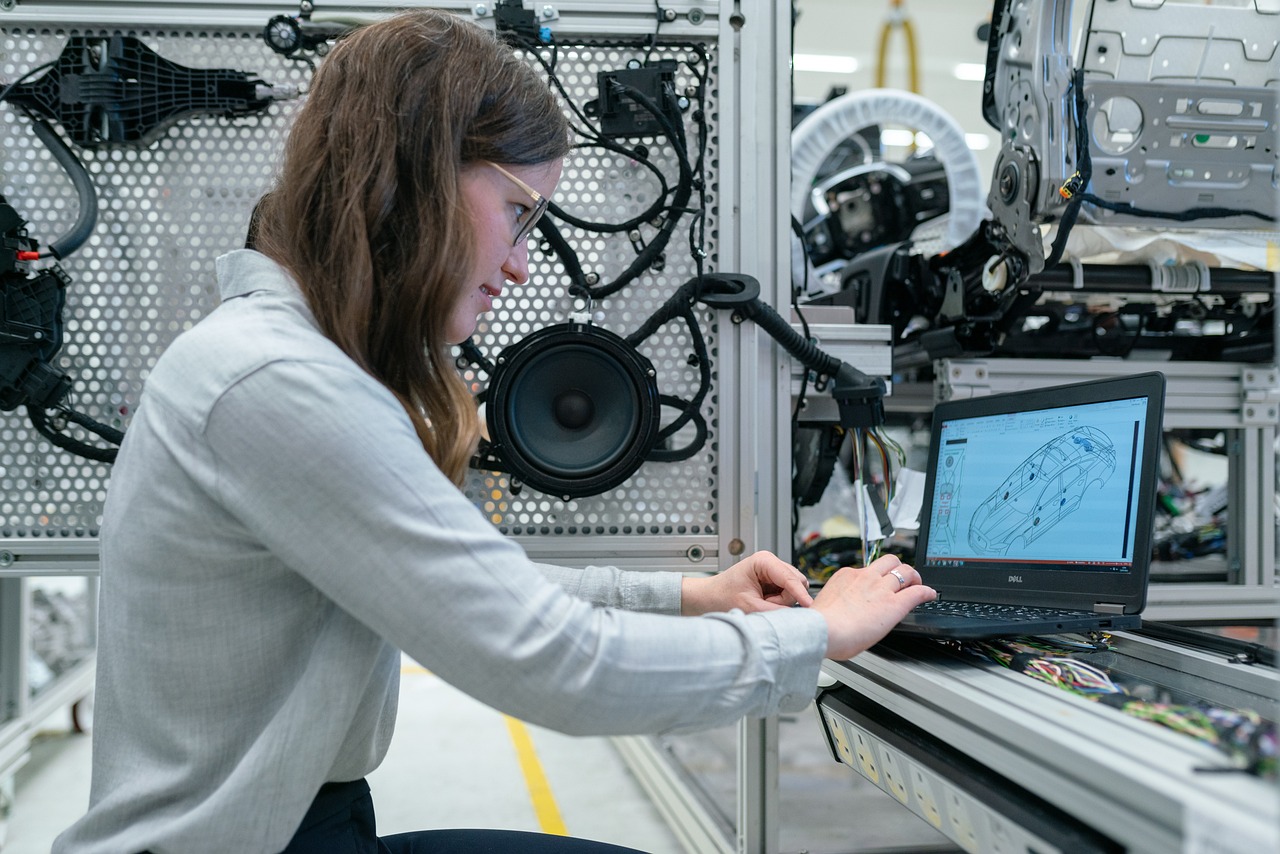
Another critical innovation is the development of efficient electric drivetrains. Unlike traditional engines, electric motors provide instant torque, resulting in superior acceleration and smoother driving experiences. This has led to electric cars outperforming their gasoline counterparts in many performance metrics.
In addition to hardware advancements, software innovations play a crucial role. Modern electric vehicles are equipped with sophisticated operating systems that manage everything from power distribution to autonomous driving features. Companies like Tesla have pioneered the integration of over-the-air software updates, allowing vehicles to improve and evolve post-purchase.
Economic Impacts of the Electric Vehicle Surge
The shift towards electric vehicles is also reshaping the global economy. As demand for EVs increases, so does the need for raw materials like lithium, cobalt, and nickel, spurring economic activity in mining and production sectors. Moreover, the EV market is driving job creation in manufacturing, technology, and charging infrastructure development.
Automakers worldwide are investing billions into EV research and development, signaling a long-term commitment to electric mobility. This transition is also affecting the oil industry, with reduced demand for gasoline potentially leading to shifts in global oil markets.
Governments are playing a pivotal role in this economic transformation by offering incentives for EV purchases and investing in public charging infrastructure. Such policies not only stimulate market demand but also encourage innovation and competition among automakers.
Environmental Benefits and Challenges

One of the most compelling arguments for electric vehicles is their potential to reduce greenhouse gas emissions. Unlike traditional cars, EVs produce zero tailpipe emissions, contributing significantly to air quality improvement in urban areas. Furthermore, as the electricity grid becomes increasingly powered by renewable sources, the environmental benefits of EVs will continue to grow.
However, the environmental impact of electric vehicles is not entirely free of challenges. The production and disposal of EV batteries raise concerns about resource extraction and recycling. Addressing these issues requires advancements in sustainable mining practices and the development of efficient recycling technologies.
The Future of Electric Vehicles and the Auto Industry
The future of the auto industry is undeniably electric. With countries around the world setting ambitious targets for phasing out internal combustion engines, the momentum behind electric vehicles is unstoppable. Innovations in battery technology, autonomous driving, and connectivity will further accelerate the adoption of EVs.
Collaborations across industries are also expected to drive this revolution. For instance, partnerships between automakers and tech companies are fostering the development of autonomous electric vehicles, poised to redefine personal and commercial transportation.
Moreover, the emergence of mobility-as-a-service models could revolutionize how we access transportation, emphasizing shared mobility and reducing the need for private car ownership.
Conclusion: Embracing the Electric Future

The revolution in electric car technology is not just a trend; it’s a paradigm shift in how the world approaches transportation. With the combined efforts of governments, industry leaders, and consumers, the transformation towards a more sustainable, efficient, and technologically advanced transportation system is well underway. As we continue to innovate and adapt, the potential for electric vehicles to create a cleaner, more connected world is immense. Embracing this change is not only inevitable but essential for a sustainable future.
As the auto industry evolves, staying informed about these changes is crucial. Engaging with resources such as the International Energy Agency can provide valuable insights into the ongoing advancements and future of electric vehicles.
Challenges and Considerations in the Electric Vehicle Transition
While the benefits of electric vehicles are numerous, the transition poses several challenges that need addressing to ensure a smooth evolution of the auto industry. One significant hurdle is the establishment of a comprehensive charging infrastructure. Although urban areas are witnessing an increase in charging stations, rural and remote regions often lack adequate facilities. Developing a nationwide network of reliable and fast charging stations is imperative to eliminate range anxiety among potential EV buyers.
Battery recycling and disposal present another challenge. As the number of electric vehicles on the road increases, so does the need for sustainable methods to recycle and repurpose spent batteries. Innovations in recycling techniques can help mitigate environmental impacts and recover valuable materials for reuse in new batteries.
Moreover, the initial cost of electric vehicles remains a barrier for many consumers. While prices are decreasing due to economies of scale and technological advancements, further reductions are necessary to make EVs accessible to a broader audience. Government subsidies and incentives play a crucial role in bridging this gap, encouraging adoption by making EV ownership more financially viable.

The Role of Innovation and Policy in Advancing Electric Mobility
Innovation and policy are the twin engines propelling the electric vehicle revolution. Technological breakthroughs in energy storage, propulsion systems, and vehicle connectivity continue to enhance EV performance and appeal. The integration of artificial intelligence and machine learning in vehicle systems is paving the way for more autonomous and intelligent mobility solutions.
In parallel, proactive government policies are essential for fostering a conducive environment for electric vehicle growth. Policies that support research and development, provide incentives for consumers, and set ambitious emissions targets are crucial for accelerating the transition. International collaborations, such as the Paris Agreement, emphasize the global commitment to reducing carbon emissions and promoting sustainable practices, further driving the electric vehicle agenda.
Consumer Acceptance and Cultural Shifts
Consumer perception and behavior are critical in the adoption of electric vehicles. Educating potential buyers about the benefits of EVs, such as lower maintenance costs and environmental advantages, can help shift public perception. Additionally, the growing trend of environmental consciousness among younger generations is influencing purchasing decisions, with many opting for sustainable and eco-friendly products, including electric vehicles.
The auto industry is also witnessing a cultural shift towards more digital and connected experiences. Electric vehicles, often equipped with advanced infotainment systems and connectivity features, align well with this trend. As more consumers prioritize technology and sustainability, the appeal of electric vehicles continues to grow.

The Global Impact of Electric Vehicles
The impact of electric vehicles extends beyond the auto industry, influencing various sectors globally. The energy sector is experiencing a transformation as it adapts to increased electricity demand and integrates renewable energy sources. The rise of electric vehicles is driving investments in solar, wind, and other clean energy solutions, contributing to a more sustainable energy grid.
Moreover, the environmental benefits of reducing air pollution and greenhouse gas emissions have significant public health implications. Cleaner air contributes to a decrease in respiratory and cardiovascular diseases, enhancing the overall quality of life in urban areas.
Conclusion: The Road Ahead
The journey towards an electrified auto industry is both challenging and promising. As technology continues to advance and societal attitudes shift towards sustainability, the widespread adoption of electric vehicles is becoming an achievable reality. The combined efforts of industry leaders, governments, and consumers are essential in navigating the challenges and harnessing the opportunities presented by this revolution.
Looking ahead, the road to a fully electric future is paved with innovation, collaboration, and commitment. As the auto industry embraces this transformation, the potential for a cleaner, more efficient, and technologically advanced transportation system is within reach, promising a brighter future for generations to come.