Updated: April 17, 2026
How the Latest Electric Car Launches are Revolutionizing the Auto Industry
As the world shifts towards sustainable energy solutions, the automotive industry is at the forefront of this transition. The recent launches of electric vehicles (EVs) signify not just a change in how we commute but a revolution in the industry itself. From cutting-edge technology to eco-friendly initiatives, these launches are reshaping the landscape of personal and commercial transportation. In this blog post, we will delve into how these new electric car launches are transforming the auto industry.
The Rise of Electric Vehicles
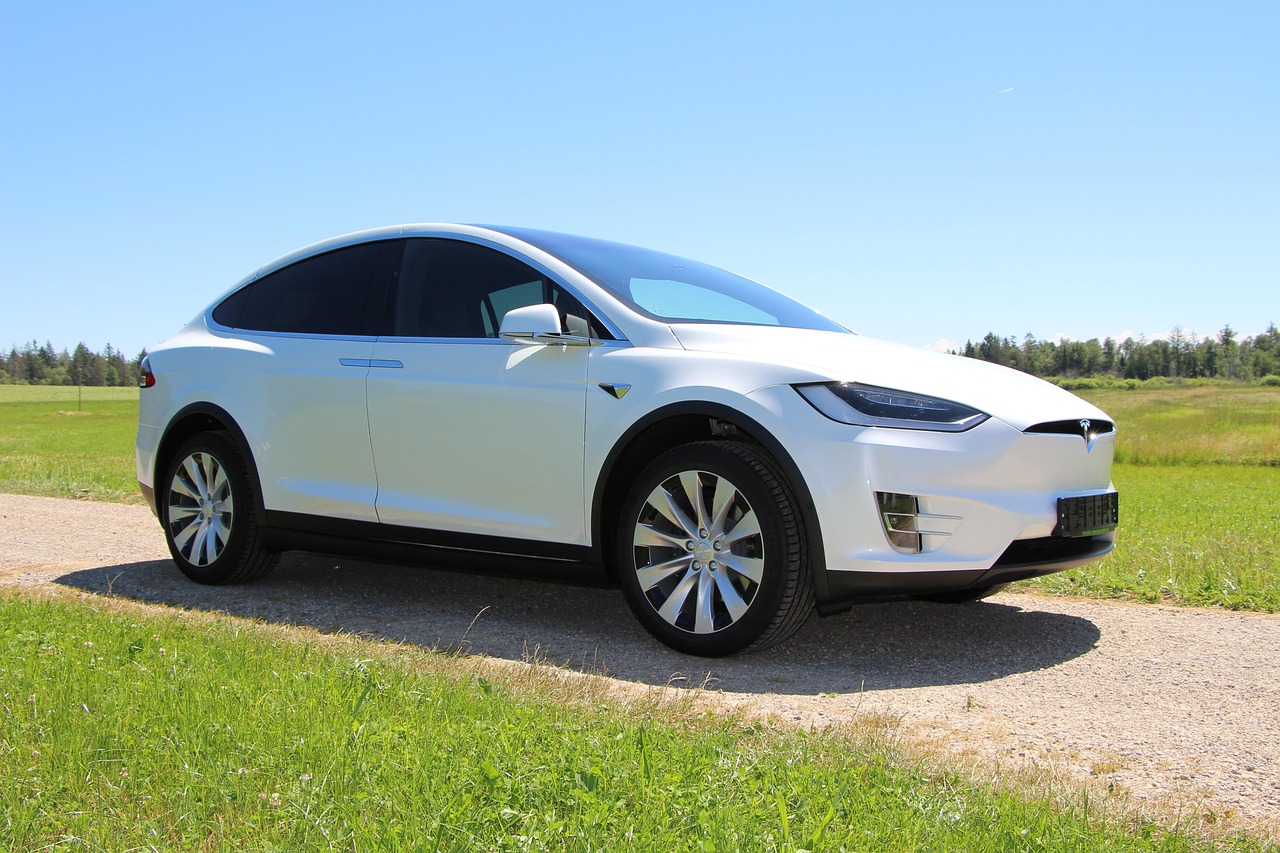
The push for electric vehicles has seen a significant rise in recent years. With companies like Tesla leading the charge, the EV market has expanded rapidly. Governments worldwide are setting ambitious targets to phase out internal combustion engines, further fueling the demand for electric cars. The global electric vehicle market size was valued at $162.34 billion in 2019 and is projected to reach $802.81 billion by 2027, growing at a CAGR of 22.6% from 2020 to 2027.
Innovations in battery technology, decreasing production costs, and increasing consumer awareness have all contributed to this growth. The recent launches have brought forward advancements that are not just technological but also strategic, aligning with global sustainability goals.
Technological Innovations

Recent electric car launches have introduced groundbreaking technological advancements that promise to enhance user experience and performance. One such innovation is the development of solid-state batteries, which offer higher energy density, faster charging times, and longer lifespans compared to traditional lithium-ion batteries. Companies like Toyota are investing heavily in this technology, aiming to bring it to market within the next few years.
Moreover, the integration of quantum computing into vehicle design processes is optimizing manufacturing and performance efficiency. Autonomous driving technology is also making significant strides, with companies like Waymo and Tesla leading the way in developing fully autonomous vehicles. These innovations are not only making electric cars more appealing to consumers but are also setting new standards for the industry.
Environmental Impact
One of the most compelling reasons for the shift towards electric vehicles is their environmental impact. Unlike traditional vehicles that emit harmful pollutants, electric cars have zero emissions, contributing significantly to the reduction of global carbon footprints. The recent launches have emphasized eco-friendly materials and sustainable manufacturing processes.
For instance, BMW’s new iX model incorporates recycled materials and renewable energy in its production process. The automotive industry is moving towards a circular economy, where vehicle components are designed for reuse and recycling, minimizing waste. This approach not only benefits the environment but also aligns with consumer values, as more people seek to make environmentally conscious purchasing decisions.
Market Dynamics and Consumer Trends
The automotive market is witnessing a paradigm shift, with electric vehicles becoming mainstream. According to a report by the International Energy Agency, electric car sales surged by 41% in 2020 despite the pandemic’s impact on the global economy. This indicates a robust demand and a shift in consumer preferences.
Consumers are now more informed about the benefits of electric vehicles, such as lower running costs, government incentives, and reduced environmental impact. The younger demographic, in particular, is driving this change, as they are more inclined towards sustainable and technologically advanced products. The industry is responding by offering a wider range of models, from affordable compacts to luxury SUVs, catering to diverse consumer needs.
Challenges and Opportunities
Despite the significant progress, the transition to electric vehicles presents several challenges. Infrastructure development, particularly charging networks, remains a critical barrier to widespread adoption. However, companies and governments are investing in expanding charging infrastructure, with initiatives like the European Union’s plan to install one million public charging points by 2025.
Battery production and raw material sourcing also pose challenges. The demand for lithium, cobalt, and other materials is increasing, necessitating sustainable and ethical sourcing practices. This challenge presents an opportunity for innovation in battery recycling and alternative materials, paving the way for a more sustainable supply chain.
The Road Ahead
The automotive industry‘s shift towards electrification is not just a trend but a necessity in the face of climate change and environmental degradation. The latest electric car launches are setting a precedent for innovation, sustainability, and consumer engagement. As technology advances and infrastructure improves, electric vehicles will become an integral part of our daily lives, offering a cleaner and more efficient mode of transportation.
The revolution in the auto industry is just beginning, and the coming years promise exciting developments that will redefine mobility as we know it. By embracing these changes, manufacturers, consumers, and governments can work together to create a more sustainable future.
Takeaways
The latest electric car launches are indeed revolutionizing the auto industry, bringing forth a wave of innovation and sustainability. With technological advancements, a focus on environmental impact, and changing market dynamics, electric vehicles are poised to dominate the future of transportation. As we continue to witness these groundbreaking changes, it becomes imperative for stakeholders to support and accelerate this transition, ensuring a cleaner, greener, and more sustainable world for generations to come.
Innovative Design and Manufacturing Processes
The recent wave of electric car launches has also seen a transformation in vehicle design and manufacturing processes. Automakers are leveraging advanced materials and innovative techniques to enhance vehicle performance and efficiency. For example, the use of carbon fiber and aluminum in vehicle construction is becoming more prevalent, reducing weight and improving energy efficiency. The streamlined designs not only improve aerodynamics but also provide a futuristic aesthetic that appeals to modern consumers.
Additionally, manufacturers are adopting 3D printing technologies to accelerate prototyping and production. This approach allows for rapid iteration and customization, enabling automakers to respond swiftly to market demands and consumer preferences. Such innovations in the design and manufacturing pipeline are crucial in maintaining competitive advantage in the rapidly evolving automotive sector.
Role of Government Policies and Incentives
Government policies and incentives play a pivotal role in the adoption and success of electric vehicles. Many countries are implementing stringent emissions regulations and setting deadlines to phase out fossil fuel-powered vehicles. These measures are complemented by substantial incentives for EV buyers, such as tax rebates, reduced registration fees, and access to carpool lanes.
Furthermore, governments are investing in research and development to support the growth of the electric vehicle industry. For instance, the U.S. government has announced significant funding for the establishment of a national network of electric vehicle charging stations. Such initiatives are integral in overcoming adoption barriers and encouraging consumers to make the switch to electric vehicles.
Impact on Related Industries
The rise of electric vehicles is having a ripple effect across various related industries. The demand for charging infrastructure is creating opportunities for companies specializing in electric utilities and renewable energy. As the number of electric vehicles on the road increases, the need for innovative charging solutions such as wireless and fast charging technologies is also growing.
The battery industry is witnessing a surge in investment, with companies exploring new chemistries and production techniques to meet the increasing demand. Furthermore, the automotive service industry is adapting to accommodate the unique maintenance needs of electric vehicles, offering specialized services for battery management and software updates.
Consumer Education and Awareness
Despite the advancements in technology and infrastructure, consumer education remains a critical factor in driving electric vehicle adoption. Automakers and policymakers are focusing on raising awareness about the benefits of electric vehicles, addressing common misconceptions, and highlighting the long-term cost savings and environmental benefits.
Educational campaigns and experiential marketing efforts, such as test drive events and interactive exhibits, are being employed to engage potential buyers and demonstrate the capabilities of electric vehicles. By building consumer confidence and knowledge, the industry can accelerate the transition to electric mobility.
The Future of Electric Mobility
The trajectory of the electric vehicle market suggests a future where electric mobility is the norm rather than the exception. With continuous advancements in technology and infrastructure, electric vehicles are set to become more accessible, affordable, and appealing to a broader audience.
Emerging trends such as vehicle-to-grid (V2G) technology and smart grid integration are poised to enhance the functionality and sustainability of electric vehicles. These innovations allow electric cars to not only consume energy but also store and supply it back to the grid during peak demand periods, contributing to a more resilient and efficient energy system.
As the industry continues to evolve, collaboration between automakers, governments, and consumers will be essential in driving the electric vehicle revolution forward. By embracing change and innovation, the auto industry can lead the charge towards a sustainable and electrified future.