Updated: April 17, 2026
Comparing the Latest Electric Car Launches: Performance, Efficiency, and Design
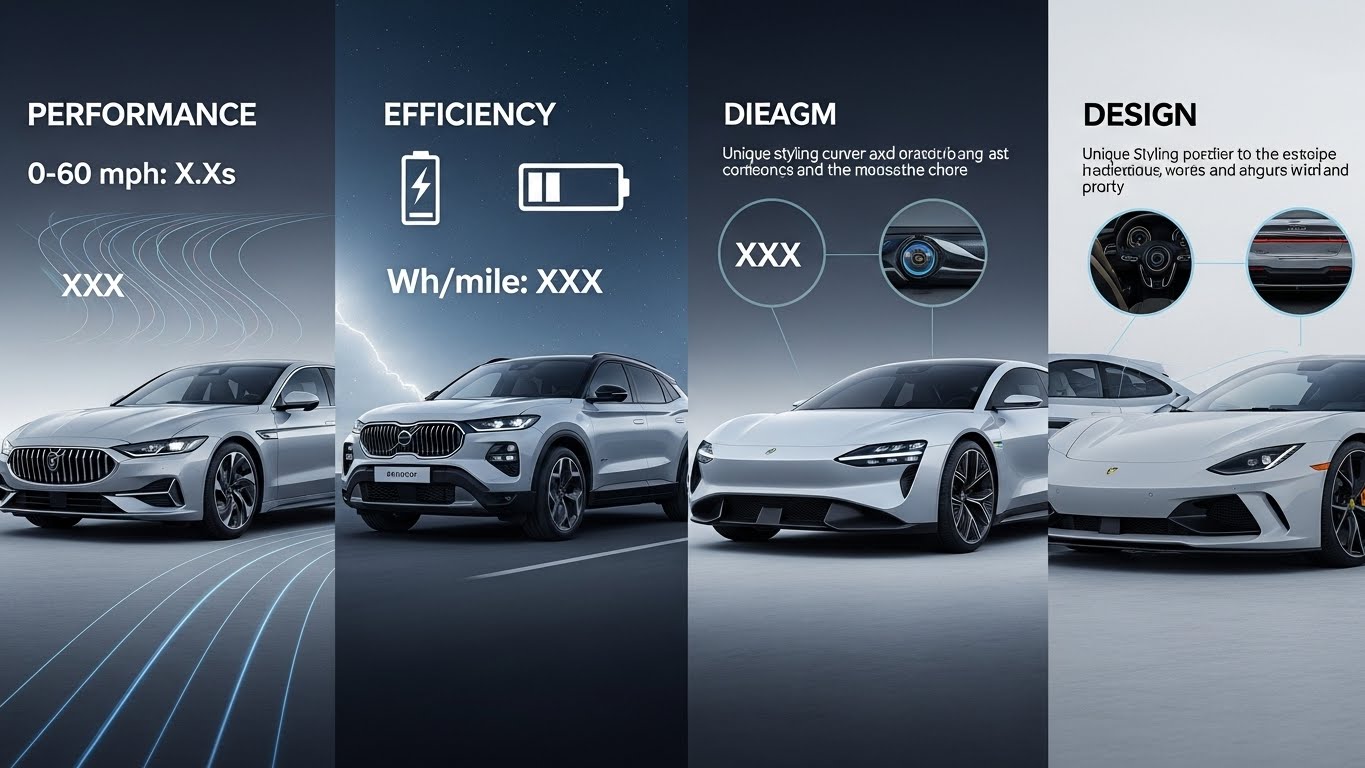
In recent years, the electric vehicle (EV) market has witnessed significant growth, with numerous manufacturers launching innovative models that promise to revolutionize the way we think about driving. As the industry advances, the latest electric car launches offer improvements in performance, efficiency, and design, making them more appealing to a broader audience. This blog post delves deeply into these aspects, comparing the most recent models and what they bring to the table.
Performance: Speed and Power in Electric Cars
The performance of an electric vehicle is often the first aspect potential buyers consider. Electric cars are renowned for their instant torque, which provides rapid acceleration. Recent launches from companies like Tesla, Rivian, and Lucid Motors, have set new benchmarks in terms of speed and power.

The Tesla Model S Plaid is a prime example, boasting a 0-60 mph acceleration time of under two seconds, thanks to its tri-motor setup. Similarly, the Rivian R1T offers impressive off-road capabilities and a quad-motor system, making it a formidable contender in the electric truck segment.
Furthermore, the Lucid Air, with its powerful electric drivetrain, offers a blend of luxury and performance, challenging traditional high-performance vehicles. These advancements highlight the potential of electric vehicles to cater to performance enthusiasts without compromising on eco-friendliness.
Efficiency: Maximizing Range and Reducing Charging Times
Efficiency is a crucial factor for electric vehicles, as it directly impacts range and charging time. The latest electric car models have significantly improved in this area, offering longer ranges and faster charging capabilities.
For instance, the Lucid Air boasts an impressive range of over 500 miles on a single charge, thanks to its aerodynamic design and efficient battery management system. This sets a new standard for range in luxury electric sedans. Meanwhile, the Tesla Model 3 continues to offer excellent range with its Long Range variant, making it a practical choice for daily commuters.
Charging infrastructure has also seen advancements, with companies focusing on reducing charging times. The introduction of high-power chargers, like those from Electrify America, allows drivers to recharge their vehicles in a fraction of the time previously required, further enhancing the practicality of electric cars.
Design: Aesthetics and Functionality in Modern Electric Vehicles
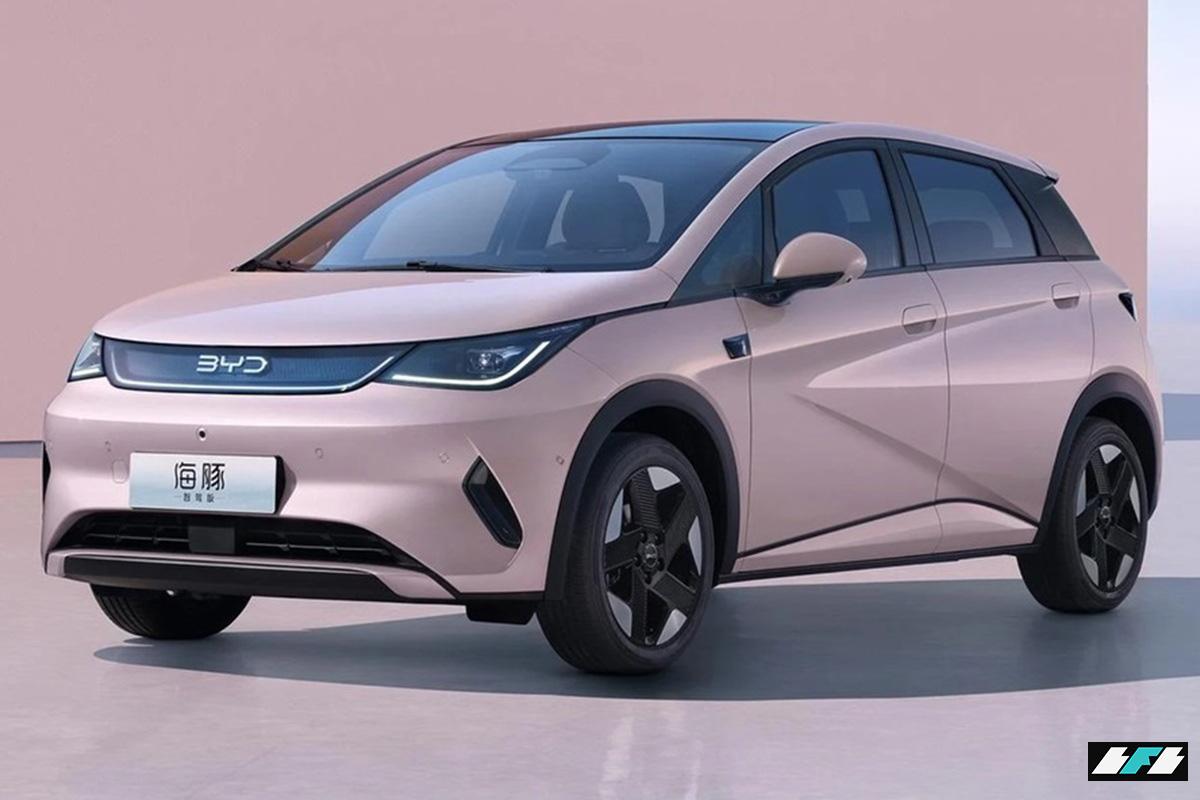
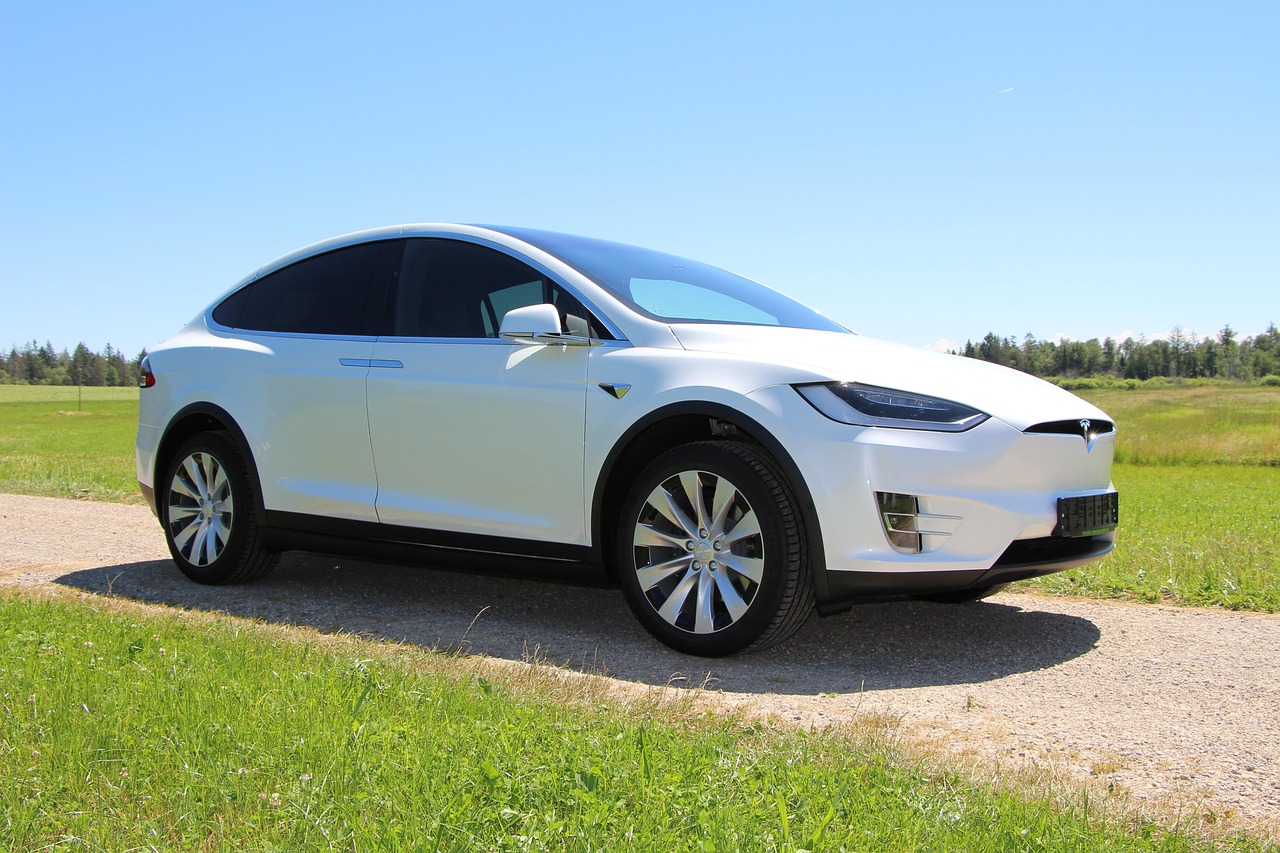
The design of electric cars has evolved significantly, with manufacturers placing equal emphasis on aesthetics and functionality. The latest launches showcase sleek, futuristic designs that are not only visually appealing but also aerodynamically efficient.
The Tesla Model Y, for example, features a minimalist interior that maximizes space and comfort, while its exterior design aids in reducing drag, thereby improving efficiency. Similarly, the Rivian R1S offers a rugged yet sophisticated look, appealing to adventure seekers who value both style and practicality.
Moreover, companies like Lucid Motors are pushing the boundaries of luxury with their elegant designs, incorporating high-quality materials and cutting-edge technology within their vehicles. This focus on design enhances the overall driving experience, making electric cars a desirable choice for consumers.
Technological Innovations: The Future of Electric Driving
Technological advancements play a significant role in the evolution of electric vehicles. Recent launches have incorporated state-of-the-art features that enhance safety, convenience, and connectivity.
Advanced driver-assistance systems (ADAS) are becoming standard in many electric cars, providing features like adaptive cruise control, lane-keeping assist, and automated parking. Tesla’s Autopilot and Full Self-Driving capabilities are at the forefront of this technology, offering a glimpse into the future of autonomous driving.
Connectivity is another area of focus, with vehicles like the Rivian R1T offering over-the-air software updates that ensure the car’s software remains up-to-date with the latest features and improvements. This not only enhances the vehicle’s functionality but also extends its lifespan by keeping it relevant in a rapidly changing technological landscape.
The Environmental Impact: Sustainability in Electric Vehicle Production
As the world shifts towards sustainability, the environmental impact of electric vehicles is a crucial consideration. Manufacturers are increasingly focusing on sustainable production practices and the use of eco-friendly materials.
For instance, Tesla has committed to sourcing materials from sustainable, ethical suppliers and is developing closed-loop recycling systems to minimize waste. Similarly, Rivian is investing in carbon-neutral manufacturing facilities and using recycled materials in their vehicles.
Such efforts not only reduce the carbon footprint of electric vehicles but also set a precedent for the automotive industry to follow, contributing to a more sustainable future.
Conclusion: The Road Ahead for Electric Vehicles
The latest electric car launches highlight the strides made in efficiency-and-design/” rel=”internal” target=”_blank”>performance, efficiency, and design, making them a viable alternative to traditional gasoline-powered vehicles. As technology continues to advance, we can expect even more groundbreaking innovations that will further enhance the appeal of electric cars.
Whether it’s the thrill of high-performance models, the practicality of increased range and reduced charging times, or the allure of cutting-edge design, electric vehicles are set to become an integral part of the automotive landscape. As more manufacturers enter the market and infrastructure continues to improve, the future of electric driving looks promising.
For those considering making the switch to electric, now is an exciting time to explore the options available and experience firsthand the benefits of the latest advancements in electric vehicle technology.