Updated: April 17, 2026
This analysis tackles why Electric Vehicles Brazil remains a headline question for policymakers, investors, and drivers alike. It considers the interplay of policy signals, energy realities, urban planning, and consumer finance to explain how Brazil could move from pilot projects to broad electrification. In asking why Electric Vehicles Brazil, the piece examines where government support, private investment, and everyday choices converge to determine adoption pace, price pathways, and the resilience of the grid in fast-growing urban centers.
Policy landscape and incentives
Policy design matters as much as price signals in shaping consumer decisions. Brazil has pursued a mix of federal guidelines and state-level initiatives intended to reduce upfront costs, encourage local assembly, and expand charging networks. The reliability and predictability of these policies influence corporate planning and financing terms for both established automakers and new entrants. When incentives are stable and transparent, manufacturers can commit to longer product cycles, which translates into more predictable supply chains and better warranty economics for buyers. Conversely, abrupt policy shifts or ambiguous rules can delay investment and cause buyers to defer purchases in the hope of more favorable terms. The emerging pattern in Brazil suggests that policy continuity—rather than large one-off subsidies—has the strongest relationship with sustained adoption, particularly for fleets and commercial segments where total cost of ownership matters most. In practice, policy signals also affect ancillary markets, such as charging equipment, grid upgrade planning, and the availability of low-emission zones in congested urban cores, which in turn influence consumer willingness to switch from internal combustion engines to electric drivetrains.
Infrastructure and consumer readiness
Charging capacity and grid resilience are the twin rails carrying Brazil’s EV transition forward. Public charging networks have expanded in major cities and along interstate corridors, yet regional disparities persist. The practicality of owning an electric vehicle in Brazil hinges on the balance between charging convenience and vehicle range, especially for households without guaranteed off-street parking. Utilities and regulators are gradually aligning tariffs and time-of-use pricing to encourage nighttime charging, while private networks and workplace installations help normalize routine use. Moreover, the electricity matrix—predominantly hydroelectric in several regions—affects lifetime emissions and operating costs, a factor often overlooked in consumer deliberations. As urban planning integrates EV-friendly zoning, and as standard charging becomes as routine as fuel purchases, households will begin to factor charging accessibility as a core component of the total cost of ownership. The outcome depends on whether expansion keeps pace with demand from both private buyers and fleet operators seeking predictable total costs and uptime.
Industry players, supply chain, and local manufacturing
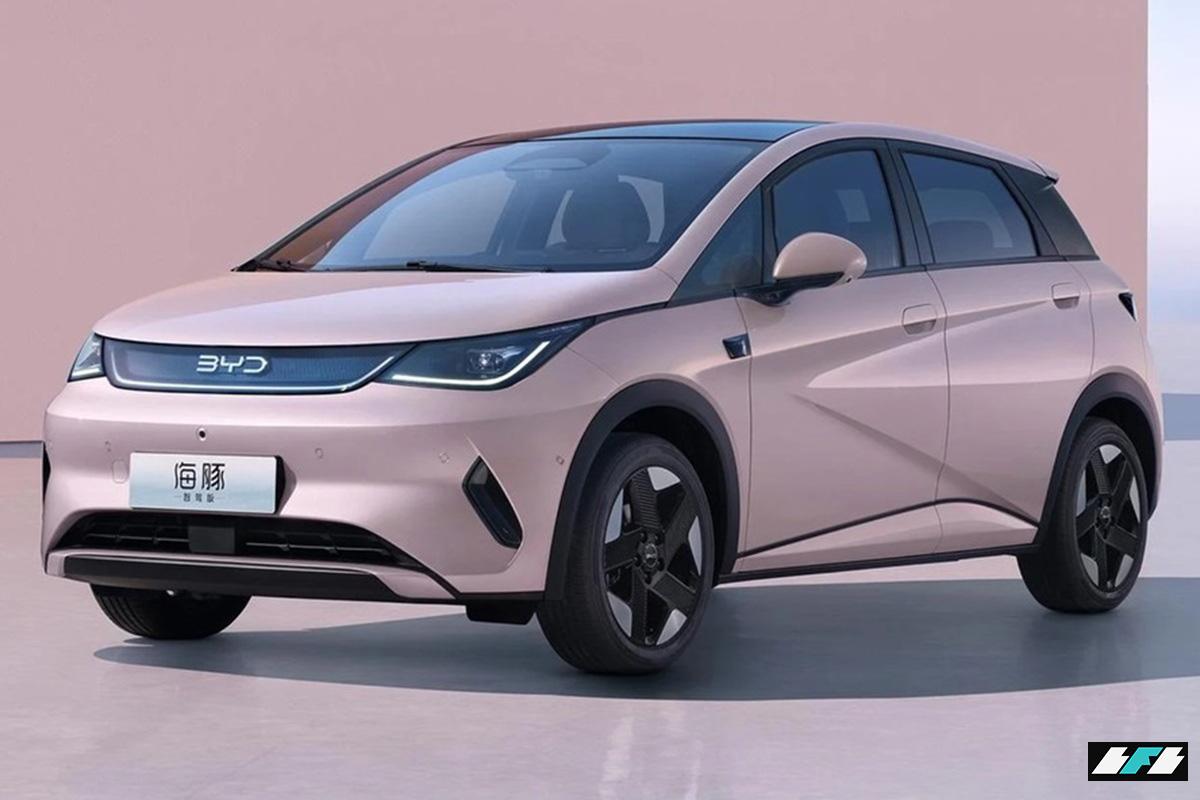
The Brazilian automotive sector is increasingly intersecting with global electric-vehicle supply chains. Local production strategies, import-substitution policies, and battery-supply arrangements are shaping vehicle pricing and availability. A prominent example is the role of Blade batteries and the approach of Chinese manufacturers adapting to Brazilian standards, which can lower production costs and increase model variety for Brazilian consumers. The strategic question for the sector is how to balance competitive pricing with reliability and after-sales support in a market still building out basic charging infrastructure. Local assembly, component localization, and collaborations with battery partners are likely to determine minimum viable price points while maintaining profitability. In this context, the success of EV pilots and early deployments will influence which models and business models (shared mobility, commercial fleets, or private consumer ownership) dominate the landscape in the medium term. The broader implication is that Brazil’s automotive competitiveness could hinge on how quickly manufacturers can reduce import exposure and stabilize local supply chains in a volatile global environment.
Economic context and outlook
Macro conditions—inflation, interest rates, and currency dynamics—directly affect the affordability of electric vehicles in Brazil. Financing terms for buyers and the cost curve for fleets depend on lender appetite for longer-tenor loans and the perceived risk of new technology depreciation. In addition, energy prices and subsidy regimes interact with consumer confidence. A favorable macro backdrop, including stable currency and attractive financing, can accelerate EV adoption by reducing the relative advantage of traditional internal-combustion vehicles. Conversely, if inflation pressures persist or credit conditions tighten, even well-designed incentives may struggle to translate into meaningful purchase activity. Beyond the sticker price, a robust ecosystem—spanning charging infrastructure, maintenance networks, and an educated consumer base—will determine whether Brazil can sustain a shift from gasoline and diesel to electric propulsion over the next five to ten years. Long-run scenarios increasingly emphasize industrial resilience, local employment gains, and energy security as byproducts of a successful transition, with federal and state actors sharing responsibility for turning potential into measurable consumer outcomes.
Actionable Takeaways
- Policy makers should prioritize policy stability and clear, long-term incentives to encourage automakers to invest in local manufacturing and the charging ecosystem, reducing uncertainty for consumers and fleets.
- Utilities and regulators must align tariffs and grid investments to support predictable, affordable charging, including time-of-use pricing and investment in distribution capacity near high-demand corridors.
- Automakers should pursue local assembly and diversified battery-partnerships to cushion against global supply shocks, while offering a coherent warranty and service network to build consumer trust.
- Financial institutions should tailor EV loans and lease products with transparent terms, leveraging low-car-ownership costs over lifecycles to offset higher upfront prices.
- Consumers should evaluate total cost of ownership, including charging costs, maintenance, and potential resale value, alongside convenience and reliability of local charging options.
Source Context
Contextual sources include industry and market analyses that discuss Brazil’s EV landscape and related incentives. See: BYD’s growth in Brazil and blade battery strategy, a discussion of how Blade batteries and local incentives shape Brazil’s automotive sector.
See: China’s electric cars and Brazil’s green mobility leadership, highlighting how international players influence domestic choices and policy design.
Additionally, readers can review: Is Brazil’s market outlook influenced by inflation and political uncertainty? for broader context on macroeconomic risk and market sentiment.