Updated: April 17, 2026
The question of why Electric Vehicles Brazil matters goes beyond consumer choice; it frames energy policy, manufacturing bets, and urban planning as much as car catalogs. This analysis surveys the forces shaping adoption, from regional charging access to local battery supply, and outlines what the coming years could mean for drivers and manufacturers across the country.
A landscape of growth, but not a uniform one
Brazil’s EV progress is concentrated in certain corridors—Southeast industrial belts, port access, and major metros—while rural areas lag in charging infrastructure. Fleet adoption, particularly in logistics and taxi services, has moved faster than private passenger adoption. The result is a two-speed market where urban users gain access to faster, more affordable mobility options, while rural households face higher practical barriers, such as range anxiety and limited service networks.
The economics behind charging a Brazilian EV habit
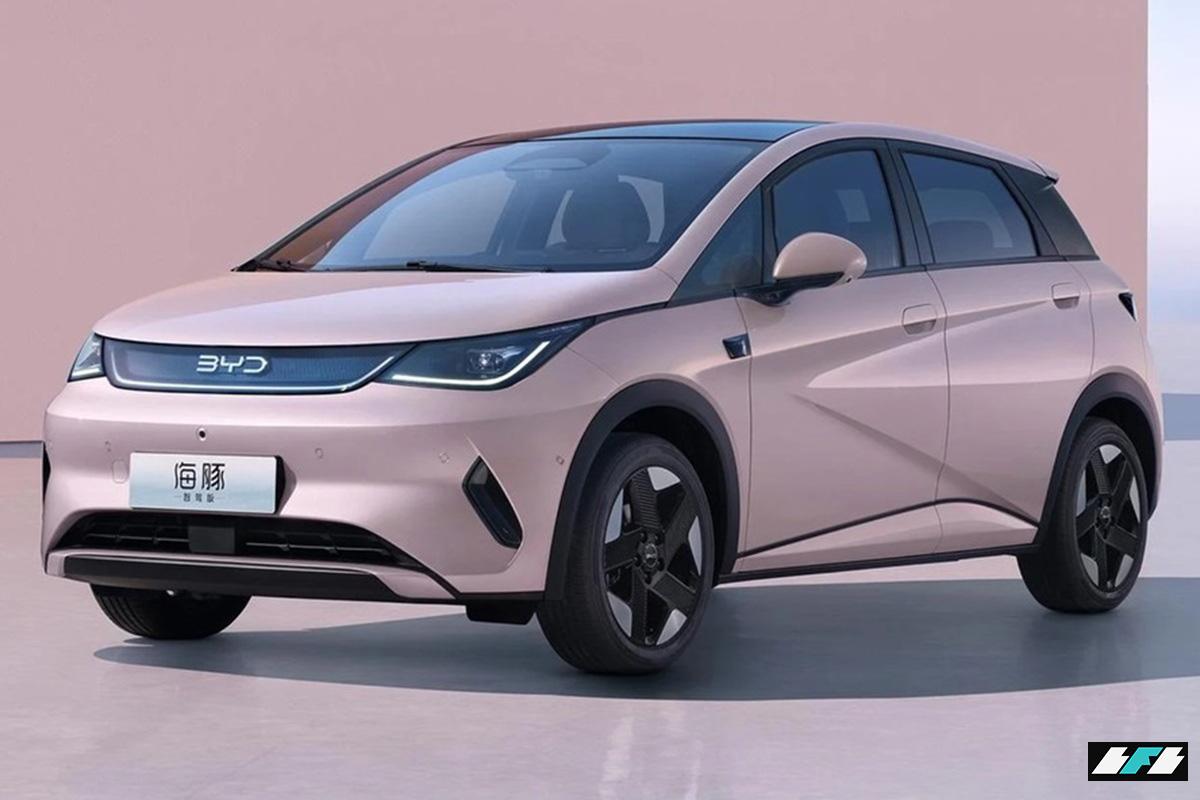
Cost of ownership in Brazil hinges on several moving parts: the sticker price of EVs, which remains higher than equivalent internal combustion vehicles, the cost of electricity, and the resale value. Brazilian households weigh a longer-term energy bill against a lower fuel cost and maintenance. OEMs that localize production, such as those with access to Blade battery supply lines and local assembly networks, can shave price gaps and deliver faster payback. Tax exemptions on EVs, credits for charging infrastructure, and utility demand-side programs also shape the pace of adoption, with policy clarity often being the deciding factor for fleet operators and large employers.
Policy, incentives, and resilience of the grid
Policy signals—from tax perks, import duties, and local content rules to charging-infrastructure subsidies—have material impact on the pace of EV deployment. Utilities are experimenting with time-of-use tariffs to encourage charging at off-peak hours, which in turn influences household economics. Grid resilience remains a priority as charging demand grows, particularly in metropolitan areas where peak load coincides with daily commuting windows. The alignment of policy and grid planning will determine whether Brazil can scale charging access without compromising reliability.
Manufacturers, supply chains, and local value creation
Foreign and domestic players are recalibrating Brazil’s auto sector around electrification. Chinese OEMs, with global scale and battery partnerships, are pushing local assembly and distribution networks, while domestic suppliers upgrade motor and battery components. The narrative is not only about vehicle price; it’s about local content, service networks, and the ability to recycle and refurbish components. The pace of scale will depend on port logistics, supplier diversification, and industrial policy that incentivizes long-term investment in factories and training programs.
Paths forward: scenarios for households, fleets, and cities
Analysts project multiple trajectories: a consumer-led acceleration driven by falling battery costs and improving charging access; a fleet-led path where logistics and urban mobility adopt EVs first; and a public-sector push that expands charging corridors and electrifies bus networks. The crossover point—where total cost of ownership aligns with or undercuts internal combustion vehicles—will be decisive. The pace will also hinge on training, financing options, and the ability of developers to deploy reliable, user-friendly charging networks across Brazilian cities and highways.
Actionable Takeaways
- Invest in widely accessible charging corridors linking major cities and regional hubs.
- Align incentives with local battery and component manufacturing to boost domestic value.
- Strengthen grid capacity and demand-side programs to support peak charging times.
- Expand training, maintenance, and service networks to grow user confidence and after-sales support.
- Promote transparent pricing and financing options to reach parity between EVs and conventional vehicles.
Source Context
From an editorial perspective, separate confirmed facts from early speculation and revisit assumptions as new verified information appears.
Track official statements, compare independent outlets, and focus on what is confirmed versus what remains under investigation.
For practical decisions, evaluate near-term risk, likely scenarios, and timing before reacting to fast-moving headlines.
Use source quality checks: publication reputation, named attribution, publication time, and consistency across multiple reports.
Cross-check key numbers, proper names, and dates before drawing conclusions; early reporting can shift as agencies, teams, or companies release fuller context.