Updated: April 17, 2026
This analysis delves into why Electric Vehicles Brazil has become a focal point for policy, manufacturing, and consumer choice. It frames the interplay between incentives, grid readiness, and the cost calculus that determines whether an ownership experience is viable for a broad Brazilian audience.
Policy and incentives shaping the market
Brazil’s policy environment for electric mobility is characterized by a mosaic of federal signals and state-level implementation. While some governments experiment with tax breaks, reduced licensing expenses, or preferential access to urban corridors, others adopt a wait-and-see stance as the technology matures. The result is a market that grows where incentives are clear and durable, and where predictable rules reduce the perceived risk for automakers and financiers. In practice, this fragmentation pushes manufacturers to localize parts, collaborate with regional suppliers, and tailor products to different income segments rather than rely on a single national rollout.
Beyond direct subsidies, many Brazilian programs emphasize decarbonization targets that align with energy policy goals and the grid’s renewable mix. The policy narrative matters because it shapes the total cost of ownership and the timing of charging infrastructure investments. As a result, the question moves from “can we build EVs here?” to “when and where will the demand be strongest, and who benefits the most?”
Infrastructure and grid readiness for EVs
Charging networks in Brazil are expanding, driven by a mix of private investment, public pilots, and cross-industry partnerships. The pace of expansion is uneven between metropolitan regions and rural corridors, which complicates broad consumer confidence in daily use. Grid readiness intersects with generation mix; Brazil’s electricity system has a high share of renewables in many regions, which improves long-run operating costs but can stress distribution networks during peak charging periods. Utilities are experimenting with time-of-use pricing and smart charging to flatten demand, while retailers and fuel providers explore bundled energy and mobility services. For a country as large as Brazil, the logistics of rural charging, multi-employee fleets, and long-haul segments remain the decisive bottlenecks for scale.
Manufacturing, supply chains, and market players
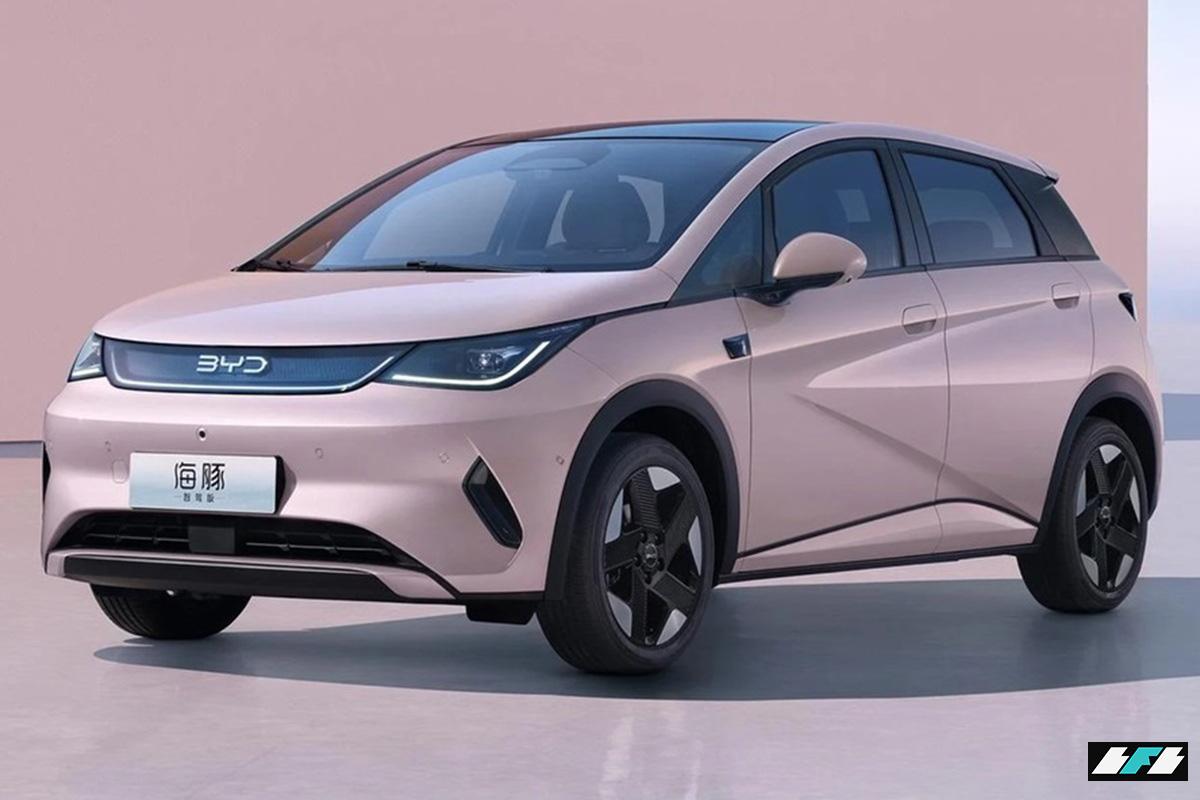
Global and regional automakers are choosing Brazil as a testing ground for EV strategy, attracted by a growing middle class and a government that seeks to diversify industry away from the few traditional export hubs. Local assembly capabilities, battery supply chains, and assembly-line flexibility influence how quickly new models reach the road. The presence of Blade battery technology in some product lines and the expectations around cost reductions from local production help explain rapid acceleration in certain segments. However, the business case for scale depends on access to affordable parts, stable incentives, and predictable export and import rules. The result is a multi-speed market where premium models may launch ahead of mass-market offerings, with fleets and corporate buyers driving early volumes in major cities.
Consumer adoption, affordability, and business models
For many Brazilian households, the initial price gap between a clean-energy model and a gasoline car remains a critical hurdle. Yet, the total cost of ownership can favor electric options when fuel prices are volatile, maintenance is lower, and electricity costs are stable. In urban centers with dense grid access and predictable tariffs, many consumers begin with compact or compact-SUV models, then transition to larger, higher-range vehicles as incomes rise and financing options improve. Car-sharing and corporate fleets are also shaping the market, enabling more people to test EV ownership without the upfront burden of a full purchase. The economic calculus is evolving as local manufacturing improves economies of scale, helping to narrow the price gap and expand options for a broader cross-section of Brazilian buyers.
Actionable Takeaways
- Policymakers should harmonize state incentives and establish durable, transparent rules that reduce investment risk for automakers and utilities.
- Manufacturers should pursue local content, partner with Brazilian suppliers, and tailor models to urban and regional mobility needs to maximize early volumes.
- Utilities and regulators need to advance smart charging, time-of-use tariffs, and grid upgrades to support predictable charging demand.
- Financing institutions should expand affordable loan and lease options, including battery-as-a-service and subscription models to lower upfront costs.
- Consumers and fleets can accelerate adoption by piloting affordable, smaller models in urban corridors and leveraging pilot programs to evaluate ownership under real-world conditions.
Source Context
Source materials provide background on Brazil’s EV policy and market dynamics. These items are included for context and to illustrate broader trends in the region: