Updated: April 17, 2026
This piece asks why Electric Vehicles Brazil matters and maps how policy choices, market signals, and infrastructure constraints converge to shape a sector that could redefine mobility and industry in Brazil. In short, this analysis delves into why Electric Vehicles Brazil is more than a consumer trend; it is a test case for national energy strategy and regional development.
Macro Forces Reshaping the Brazilian EV Market
Brazil’s energy profile, urban mobility trends, and the structure of local auto manufacturing all shape how quickly EVs can scale. The country relies heavily on hydroelectric power, which helps reduce the carbon footprint of electric transport when powered by the grid. Yet the distribution of charging infrastructure, urban density, and the price gap between internal combustion engine vehicles and EVs remain decisive in consumer choices. The transportation sector accounts for a sizable share of energy consumption, and planners view electrification as a way to curb both emissions and oil imports. In cities like São Paulo and Rio de Janeiro, fleets of taxis, ride-hailing vehicles, and municipal buses begin to pilot electric options, testing charging logistics, battery life, and driver experience. For automakers, Brazil offers a large market with regional production capabilities, but success depends on balancing local content, import rules, and the availability of skilled labor and suppliers. All of these inputs interact with consumer expectations—range anxiety, charging speed, and resale value—and culminate in a market that is not a copy of Europe or Asia, but a Brazilian hybrid of need and opportunity.
Policy and Incentives: The Friction Between Ambition and Implementation
Policy design in Brazil has repeatedly aimed to stimulate EV adoption, with incentives that reduce purchase costs and favor domestically produced components. However, the effectiveness of such incentives depends on predictable rules, budget discipline, and alignment with broader energy and transport goals. Tax exemptions, subsidies for charging infrastructure, and programs that support local assembly can accelerate uptake, but they also require transparent evaluation and periodic adjustment to avoid distortions. Regulators must balance the immediate relief for buyers with long-term grid planning and vehicle pricing that remains affordable for middle-income households. The regional dimension matters as well: states and municipalities experiment with their own schemes, creating a patchwork that can complicate nationwide planning. In this context, the success of policy is less about one-off subsidies and more about credible, time-bound commitments that translate into investment signals for manufacturers, suppliers, and service providers.
Infrastructure, Grid, and the Real-World Cost of Ownership
Charging infrastructure is the bottleneck that can make or break EV adoption. Public, semi-public, and private charging networks must coexist with a pricing model that reflects the true cost of electricity, grid constraints, and vehicle usage patterns. Brazilian households often rely on residential tariffs, so the economics of owning an EV hinge on how much electricity costs and how often charging happens at off-peak times. Battery costs, technology improvements, and the availability of model ranges relevant to Brazilian daily use (urban commuting, longer trips between cities, and heavy-duty applications) all influence the total cost of ownership. Alongside price, reliability, after-sales support, and the perception of battery longevity shape consumer attitudes. For fleets and commercial operators, total cost of ownership includes maintenance, downtime, and resale value, making partnerships with local service providers crucial for long-term viability.
Industry Actors and Scenarios for 2026-2030
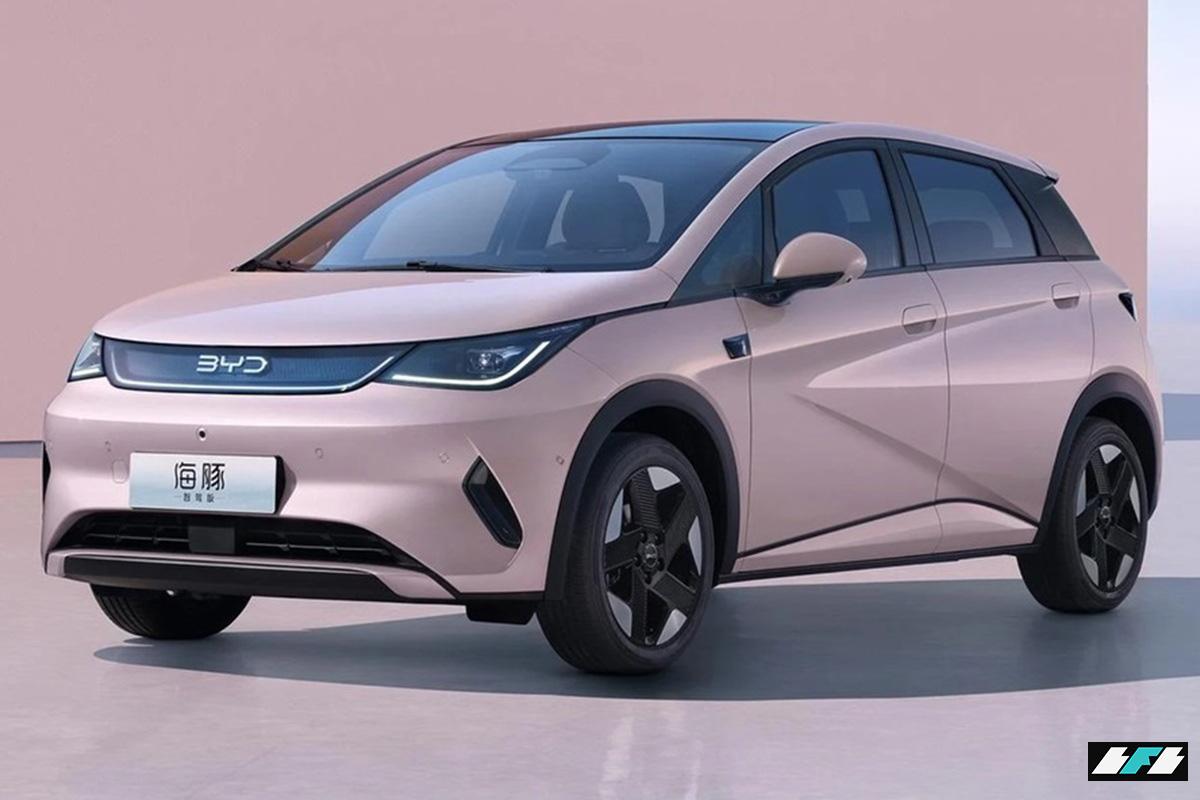
Industry dynamics in Brazil are increasingly shaped by collaborations between OEMs, battery suppliers, and local content partners. BYD’s growth in Brazil offers a lens into how new entrants leverage local manufacturing capabilities, supply chains, and government incentives to scale rapidly. The adoption path is not uniform: larger cities with modern charging ecosystems can absorb more EVs quickly, while smaller towns require targeted investment and cost-optimization strategies. Battery technology, including options like Blade-type cells used in some models, influences vehicle price and performance, but the strategic question remains: how will Brazil upgrade its grid, train a workforce for maintenance and software updates, and coordinate across states to prevent market fragmentation? Scenarios for the next decade vary from accelerated electrification in urban fleets and government-led procurement to a more cautious, gradual transition driven by cost reductions and consumer education. What remains clear is that the market will be shaped by policy credibility, supplier resilience, and the ability of automakers and energy providers to deliver a seamless, reliable user experience.
Actionable Takeaways
- Policymakers should design transparent, time-bound incentives that align with grid upgrades and predictable import rules to reduce investment risk.
- Utilities and regulators must coordinate to expand charging capacity in urban cores and along major corridors, with pricing that reflects grid demand and off-peak opportunities.
- Consumers should evaluate total cost of ownership, including electricity costs, maintenance, and resale value, rather than focusing solely on sticker price.
- Automakers and suppliers should pursue local content strategies that build domestic ecosystems for batteries, components, and after-sales support to drive long-term affordability.
- Investors should monitor the convergence of policy signals, grid modernization, and consumer education, which together determine EV penetration rates and ROI.