Updated: April 17, 2026
This analysis addresses why Electric Vehicles Brazil have emerged as a focal point of policy, investment, and consumer choice, signaling a shift in how mobility is funded, regulated, and lived in urban and rural communities alike.
Market forces reshaping adoption
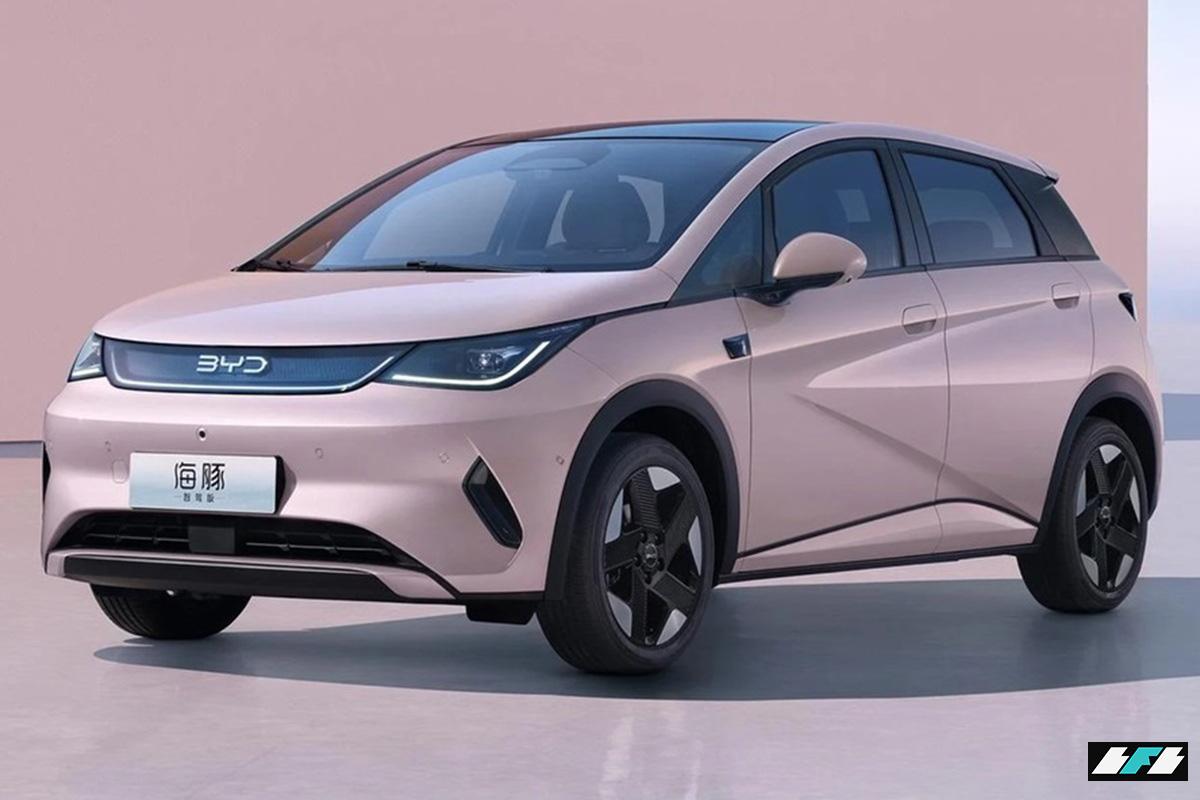
Across Brazilian cities and industrial corridors, electric models are shedding some of their novelty status as manufacturers expand lineup and battery technology matures. In particular, firms that entered the Brazilian market in the past few years have leveraged global battery advances and local incentives to broaden availability beyond flagship segments. Blade battery architectures, cited in regional discussions, illustrate how manufacturers aim to reduce pack costs while maintaining safety and performance standards. The result is a broader reference set for fleet buyers and a growing selection for individual consumers, even as sticker prices remain a hurdle in some segments.
In this context, total cost of ownership is becoming a central calculus for households. While upfront prices are still higher than internal combustion engine equivalents in several categories, improved efficiency, lower maintenance, and aging vehicle stocks create a more compelling long-run case. Used-electric-vehicle pricing, residual value, and aftersales support have emerged as important price signals, influencing whether early adopters will flip their purchasing decisions toward electrified options or delay until infrastructure and financing catch up. Observers point to a shifting demand curve as more Brazilian buyers weigh depreciation risk against the rising convenience of home charging and public networks.
The market is also being shaped by manufacturing scale and incentives tied to local content and industrial policy. The country’s automotive sector has benefited from incentives that push investment in EV supply chains, while international players accelerate local assembly and distribution. These dynamics, paired with a gradual expansion of charging interfaces and service ecosystems, push the Brazilian EV narrative from isolated demonstrations toward a more mainstream trajectory.
Policy levers and private investment
Policy frameworks in Brazil are increasingly designed to align with industry ambitions for a more electrified fleet. Tax and import regimes, along with credit facilities offered by development banks, can tilt the economics in favor of electric models and associated infrastructure. While the details of incentives vary by region and program, the broader takeaway is a coordinated push—policies that reduce friction for manufacturers, finance for buyers, and clarity for operators who build charging networks. In practice, this means clearer guidelines on incentives, predictable regulatory timelines, and a more stable import-and-assembly environment for new models.
Private investment has followed policy signals, with manufacturers and suppliers expanding local partnerships and exploring regional battery supply chains. The presence of blade-type battery solutions, if scaled, could influence vehicle pricing strategies and lifecycle costs, potentially broadening the appeal of commercial and passenger EVs alike. Business leaders emphasize the importance of interoperable charging standards and reliable aftersales networks as concrete determinants of whether new customers stay with electric options or revert to familiar ICE offerings when charging is inconvenient or uncertain.
Infrastructure and the charging gap
Charging infrastructure remains a critical bottleneck in Brazil’s EV transition, particularly in less-densely populated areas and regional capitals where grid capacity and service reliability are uneven. Urban centers typically offer higher charging density and smoother payment interfaces, yet rural and peri-urban zones still face longer wait times and limited access to fast-charging corridors. Public-private partnerships are intensifying as operators seek scale, while utilities and regulators explore dynamic pricing models to balance demand with grid constraints. The pace of grid modernization, transformer availability, and interconnection processes will largely determine how quickly charging becomes as routine as fueling a conventional car.
Policy framing around energy reliability, thermal management, and network interoperability will influence the quality and perception of EV ownership. Consumers are assessing not only purchase price but the practicalities of charging at home, at work, and on long trips. The near-term outlook suggests that progress on charging networks—especially fast-charging along major highways and in commercial hubs—will be a decisive factor in the speed of adoption, alongside continued improvements in vehicle efficiency and battery life that reduce charging frequency and energy costs.
Roadmap and scenarios for consumers and industry
Looking ahead, scenarios for Brazil’s EV ecosystem range from steady, policy-supported growth to acceleration driven by aggressive private investment and infrastructure rollouts. Analysts point to several hinge points: the clarity of incentives and regulatory predictability, the expansion of local battery and vehicle assembly capabilities, and the scale of charging networks that can service rural routes as well as metropolitan cores. The interplay between these factors will determine whether EV ownership becomes a practical and financially sensible option for a broad cross-section of the population or remains concentrated among early adopters and fleet operators with outside financing support.
In practical terms, households weighing EVs will consider total cost of ownership, reliability of charging options, and the availability of service networks. Businesses evaluating fleet electrification will assess not only upfront capital and maintenance reductions but also the resilience of supply chains for components such as batteries and power electronics. For policymakers, the task is to sustain momentum through a coherent, long-term strategy that reduces friction across the entire value chain—from research and development to consumer financing and aftersales support.
Actionable Takeaways
- Policymakers should standardize incentives and streamline import and local-content rules to reduce uncertainty and accelerate market growth for EVs and related infrastructure.
- Automakers and suppliers should invest in local partnerships, battery-supply chains, and adaptable pricing models to broaden affordability and resilience against currency and policy shifts.
- Consumers and lenders must collaborate to improve financing options, educate buyers on total cost of ownership, and increase awareness of home and workplace charging options.
- Utilities and network operators should prioritize grid upgrades, distributed energy resources, and fast-charging corridors to support reliable, scalable EV charging across regions.
- Investors should evaluate regulatory risk, long-term ROI, and the potential for public-private partnerships that de-risk infrastructure investments while expanding service coverage.