Updated: April 17, 2026
Within this report, we explore why Electric Vehicles Brazil has emerged as a focal point for policymakers, automakers, and urban residents alike, linking incentives, battery tech, and the evolving energy grid to daily mobility choices.
Market dynamics and policy drivers
The Brazilian market for electric mobility is evolving from a pilot phase into a more systemic shift, driven by a mix of federal programs, state-level incentives, and private investment. While gasoline and diesel have long enjoyed price competitiveness, volatility in fuel costs, combined with concerns about urban air quality, has tilted attention toward electrification as a long-run cost-control and public-health strategy. Policy makers are balancing incentives with fiscal constraints, aiming to expand the pool of affordable EVs without undermining local industry. In this environment, demand is increasingly shaped by total cost of ownership calculations, residual values, and the ability of buyers to access reliable charging. For automakers, the Brazilian policy landscape signals a risk-reward calculus: early entry can establish brand presence and local content advantages, but policy slopes—such as changes in tax breaks or import duties—can alter the economics of every model and financing plan.
Technology, supply chains, and local manufacturing
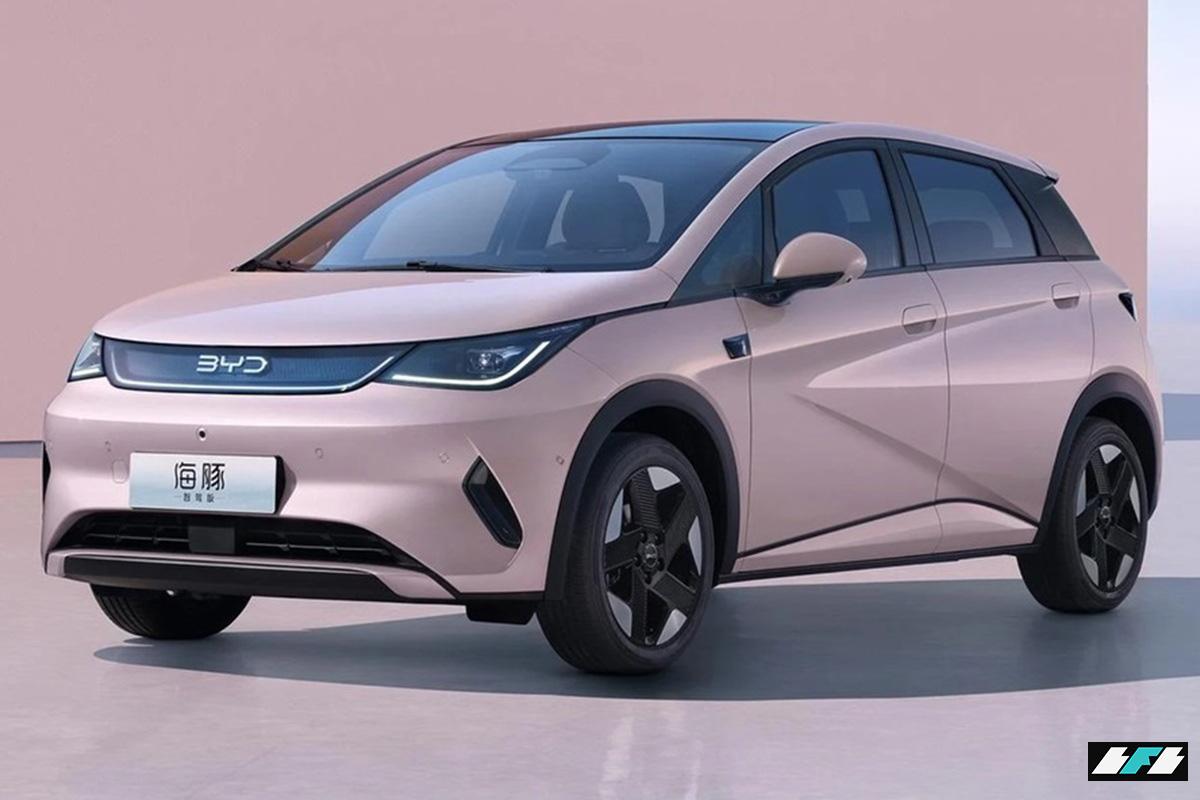
One notable trend is the emphasis on battery technology and supply-chain diversification. The blade battery approach, popularized by certain manufacturers, promises improvements in energy density, safety, and packaging efficiency. In markets like Brazil, where import costs and logistics can affect sticker prices, the prospect of local or regional assembly—paired with semiconductors, battery modules, and charging hardware sourced closer to home—can materially affect price ladders and service networks. At the same time, automakers are weighing the capital required to build or upgrade local plants against the benefits of scale achieved through regional distribution centers and partnerships with solar and hydropower-dominant grids. This nexus of technology and manufacturing is not just about new cars; it shapes service ecosystems, from spare parts availability to maintenance workflows, and ultimately to consumer confidence in long-term ownership.
Consumer behavior, charging infrastructure, and grid resilience
Adoption is concentrated in metropolitan clusters where housing configurations permit home charging and where public charging networks are more visible. Private charging remains a differentiator for households with access to off-street parking, while commercial fleets and ride-hailing operators push demand for higher-performance batteries and longer-range options. Brazil’s energy mix—heavy on hydropower in many regions—offers some favorable tailwinds for emissions calculations, but grid reliability and peak demand remain critical considerations as charging demand grows. Consumers weigh upfront price, perceived reliability, and the speed and convenience of charging. Urban mobility strategies that integrate EVs with public transit, cycling, and pedestrian networks could accelerate adoption, while regional disparities in income and infrastructure may slow convergence toward mass-market penetration outside major cities.
Policy risks and scenario framing
Policy risk in Brazil revolves around macroeconomic volatility, currency fluctuations, and the consistency of incentives over time. If inflation remains volatile or if political coalitions shift priorities, the stability of tax exemptions, subsidies for vehicle purchases, and funding for charging networks could be uncertain. Conversely, a stable macroeconomic environment paired with clear, phased investment in charging infrastructure, local content development, and consumer education could accelerate adoption, reduce total ownership costs, and improve vehicle utilization. Three scenarios illustrate potential trajectories: a moderate-growth path with steady policy support; an accelerated path driven by targeted incentives and fleet electrification; and a cautious path where policy oscillates and consumer confidence remains constrained. Understanding these scenarios helps businesses and policymakers plan capital, pricing, and partnerships with greater resilience.
Actionable Takeaways
- Policymakers should design stable, transparent incentives paired with local content development to reduce price gaps and accelerate manufacturing capacity in Brazil.
- Automakers and suppliers ought to prioritize regional supply chains, blade battery readiness, and scalable service networks to minimize downtime and increase consumer trust.
- Utilities and regulators must coordinate grid modernization and smart charging to avoid peak stress while expanding publicly accessible charging infrastructure.
- Urban planners should integrate EV strategies with public transit, non-motorized transport, and land-use planning to maximize the efficiency gains of electrified mobility.
- Consumers should assess total cost of ownership, factoring in fuel savings, maintenance, and potential resale value to make informed, long-term decisions.
Source Context
For readers seeking background material, the following sources provide context on manufacturing expansion, battery technology, and market conditions in Brazil:
- BYD growth in Brazil and Blade batteries — analysis of how a major manufacturer’s footprint and technology choices influence local market dynamics.
- Market dynamics and policy signals in Brazil — overview of how inflation and political uncertainty intersect with EV policy trajectories.