Updated: April 17, 2026
Brazil stands at a pivotal juncture for mobility, where price volatility, grid readiness, and consumer appetite intersect to shape the trajectory of electric transport. The evolving decarbonization conversation now intersects with corporate strategies such as topsoe Electric Vehicles Brazil, signaling how global energy-tech players may influence local adoption through batteries, catalysts, and grid-smart solutions.
Policy, price, and the charging puzzle
In recent years, policymakers in Brazil have pursued a balancing act between reducing emissions and preserving consumer purchasing power. Tax regimes, import duties, and state-level variances affect the upfront cost of EVs and the pace of charging network expansion. While some cities like São Paulo and Curitiba have accelerated public charging corridors, the overall density of accessible charging remains uneven across the country, complicating rural adoption and fleet planning. Beyond chargers, price signals—electricity tariffs, time-of-use pricing, and grid upgrade costs—drive private and corporate decision-making. For many Brazilian households and small fleets, sticker price remains a salient barrier, even as total cost of ownership increasingly stacks up in favor of EVs when maintenance and resale values are considered.
At the national level, the most consequential shifts are often less visible: regulators aligning incentives for manufacturers and service providers, and the power system adapting to distributed generation and potential vehicle-to-grid capabilities. The interface among automakers, energy incumbents, and state utilities creates a dynamic where policy can accelerate or slow adoption, depending on how quickly the grid can absorb charging loads and how predictable electricity pricing remains in a volatile macroeconomic environment. In a country grappling with inflation pressures and political uncertainty, the EV transition becomes as much about credibility and implementation as it is about technology.
The supply chain and domestic innovation
Brazil’s EV story is inseparable from the country’s battery and component ecosystem. Local assembly and import policies influence vehicle affordability, while the availability of high-energy-density cells shapes range and performance. Auto manufacturers are increasingly exploring regional partnerships to source components closer to home, hedging against currency swings and global supply disruptions. Domestic R&D, from thermal management to power electronics and lightweight materials, is gradually maturing, but the sector still relies heavily on imports for critical modules. That dependency fuels a broader industrial-policy debate: should Brazil nurture a homegrown ecosystem with targeted incentives, or should it attract foreign production under favorable terms? The answer will influence not only vehicle prices but also maintenance networks, service readiness, and the resale market for used EVs.
As manufacturers map Brazil for future investment, they face a tension between scale and speed. In markets where electricity prices are volatile, fleets often favor models with predictable energy consumption and robust after-sales support. Partnerships with utilities and training programs for technicians are increasingly common, signaling a shift from mere product sales to bundled, service-oriented offerings. The long-run feasibility of large-scale battery manufacturing or local cell assembly will hinge on policy consistency, access to skilled labor, and stable supply lines for critical materials.
Market signals: consumer behavior and fleet adoption
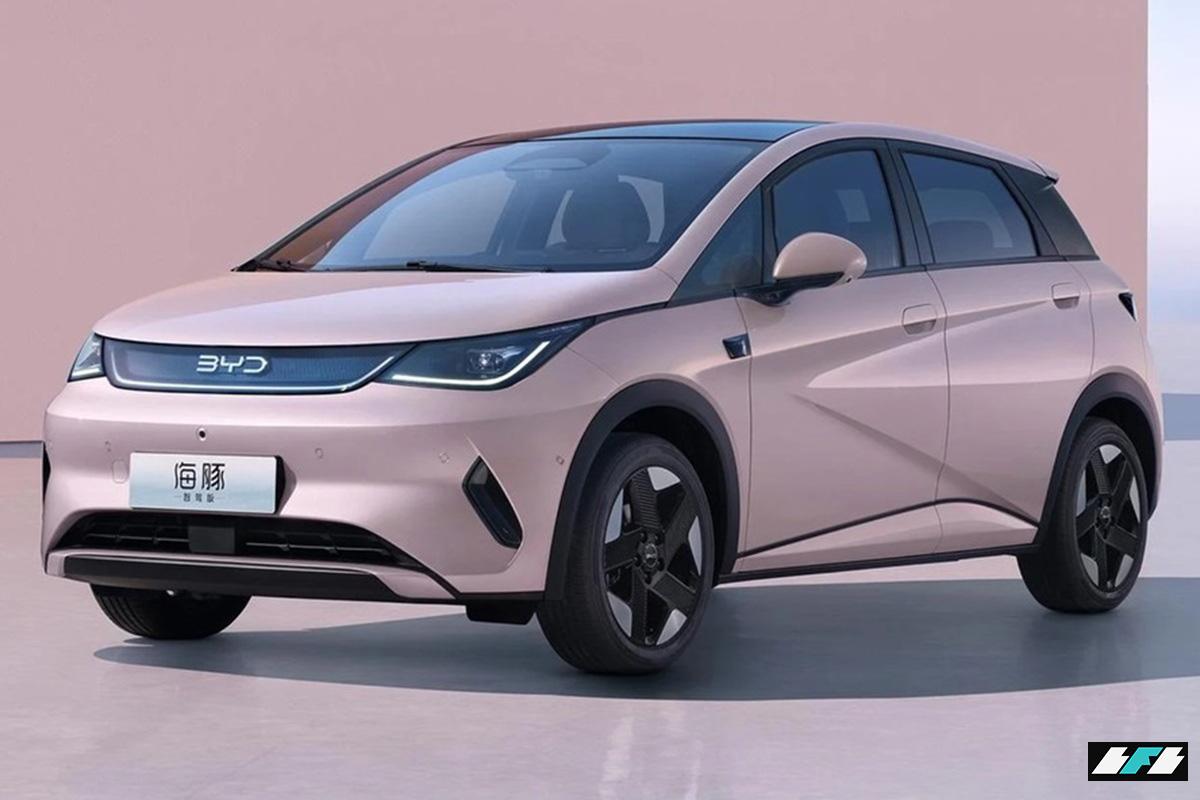
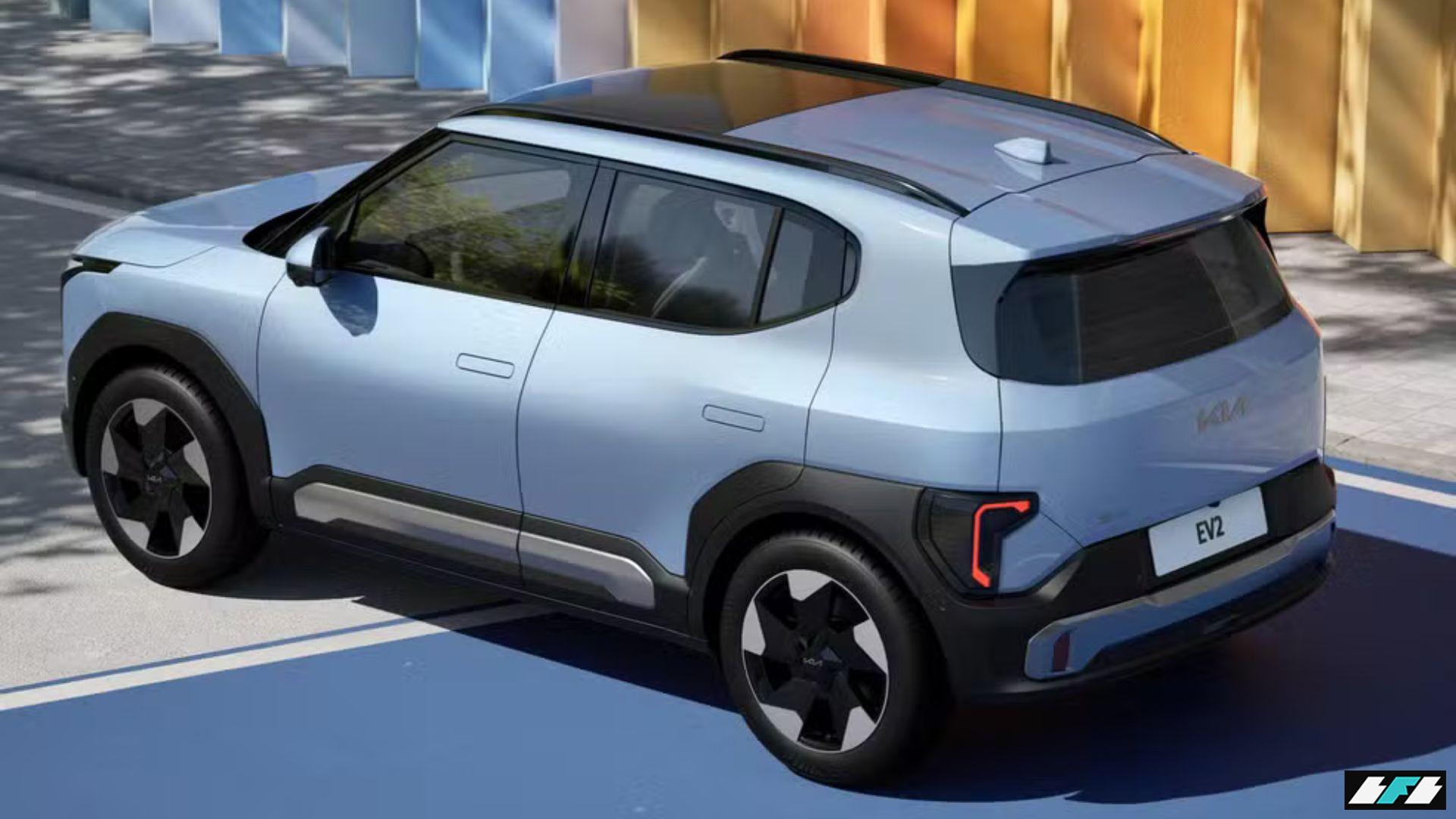
Consumer demand for EVs in Brazil emerges from a price-sensitive base that has historically favored compact, affordable vehicles. The entry of affordable hatchbacks and compact crossovers with electric variants is changing the calculus for urban buyers, though financing remains a critical lever for mass-market penetration. Fleet adoption offers a more immediate tailwind: municipal buses, taxi fleets, and last-mile couriers face emissions targets, energy diversification goals, and operating-cost pressures. Yet a large segment of the market continues to rely on used ICE vehicles, a reality reflected in Brazil’s robust pre-owned car market and a cautious stance toward new technology risk. The result is a two-track market: early adopters in metropolitan centers and more conservative buyers elsewhere, each responding to different price signals, service networks, and perceived reliability.
The way Brazilian consumers perceive reliability, charging convenience, and total cost of ownership will determine how quickly EVs scale beyond flagship models. Media coverage of price trends, import policies, and grid upgrades shapes expectations, sometimes amplifying volatility in the short term even as long-run economics tilt toward electrification. The interplay of policy incentives, consumer credit access, and corporate sustainability goals will thus produce a spectrum of outcomes rather than a single, uniform trajectory. Looking ahead, scenario planning suggests multiple plausible paths, with urban fleets taking the lead while rural and smaller towns expand at a slower pace depending on policy stability and grid readiness.
Actionable Takeaways
- Policymakers: standardize charging access across states, ensure predictable electricity pricing for fleets, and simplify incentives to lower the purchase barrier for first-time EV buyers.
- Automakers and suppliers: invest in local assembly and service networks, partner with utilities on demand management, and build demonstrator fleets to showcase total cost of ownership advantages.
- Utilities: accelerate grid upgrades near urban centers, deploy smart charging pilots, and explore vehicle-to-grid pilots to smooth peak demand and store renewable energy.
- Consumers and fleet operators: weigh total cost of ownership, assess charging availability in daily routes, and consider bundled service plans that include maintenance and software updates.