Updated: April 17, 2026
Brazil sits at a crossroads in the global shift toward car Electric Vehicles Brazil, as policy experiments, manufacturing bets, and consumer appetite collide in a way that could determine whether the country becomes a regional hub or an expensive outlier. This analysis examines not only how quickly Brazil can adopt plug-in mobility, but also how the policy, industrial, and financial ecosystems must adapt to support sustained growth. The question is not merely about cars; it’s about whether Brazil can build a domestic EV industry that reduces import dependence, lowers total cost of ownership for citizens, and competes with global benchmarks.
Market Realities in Brazil
Despite ambitious targets and incentives announced by federal and state authorities, the uptake of EVs in Brazil remains uneven. Urban centers such as São Paulo and Rio de Janeiro show a growing, but still limited, charging network. Grid resilience and energy prices influence the economics of charging, and long-distance travel remains a hurdle for many potential buyers. While government and private sector pilots push e-mobility into taxi fleets, last-mile logistics, and corporate procurement, most households weigh total cost of ownership against the availability of affordable financing. The result is a two-track market: high-end city cars gaining traction in metros, while more affordable models await a material drop in price or a robust charging backbone.
Another layer is consumer experience: reliability, battery longevity, and the perceived risk of stranded investment can slow early adoption. Yet, where fleets and corporate purchasing power align with predictable maintenance costs and tax-efficient financing, Brazil sees pockets of acceleration that could, over time, pull the broader market forward.
Technology Shifts and Supply Chains
Technology choices around batteries—whether primarily leveraging lithium iron phosphate (LFP) or nickel-magnesium-cobalt (NMC) chemistries—shape the economics and performance envelopes that matter to Brazilian buyers. Battery costs have fallen globally, but the local economics depend on import timing, exchange rates, and the ability to source materials locally or regionally. Brazil’s manufacturing ecosystem could benefit from regional collaborations that bundle vehicle assembly with standardized battery modules, reducing inventory risk and speeding scale. Diversifying supply chains away from a single supplier or country is essential to mitigate geopolitical disruptions, while also exploring opportunities for domestic value capture in electric powertrains and charging hardware.
In practice, the pace of tech adoption will hinge on the alignment between automakers, charging network developers, and grid operators. Standardized connectors, interoperable payment systems, and transparent warranties become not just consumer convenience features but market enablers that determine whether EV ownership is viewed as a durable financial decision or a temporary premium.
Policy, Costs, and Consumer Choices
Policy design in Brazil increasingly ties fiscal incentives to long-term goals such as local content, charging availability, and consumer protection. A coherent framework can reduce upfront costs, simplify the buying decision, and improve resale values—all critical to scaling beyond early adopters. For households, the total cost of ownership—electricity prices, maintenance, battery degradation risk, and financing terms—will determine adoption trajectories. For fleets and commercial users, favorable lease structures, battery-as-a-service models, and predictable depreciation schedules can unlock demand and accelerate the shift from internal-combustion to electric powertrains.
Budgetary discipline and political certainty matter. Sudden policy shifts or inconsistent incentives risk eroding consumer confidence and delaying infrastructure investments. In this environment, transparent timelines, public charging commitments, and clear local-content rules could help align private capital with national goals while preserving consumer choice.
Global Benchmarks and Brazil’s Path Forward
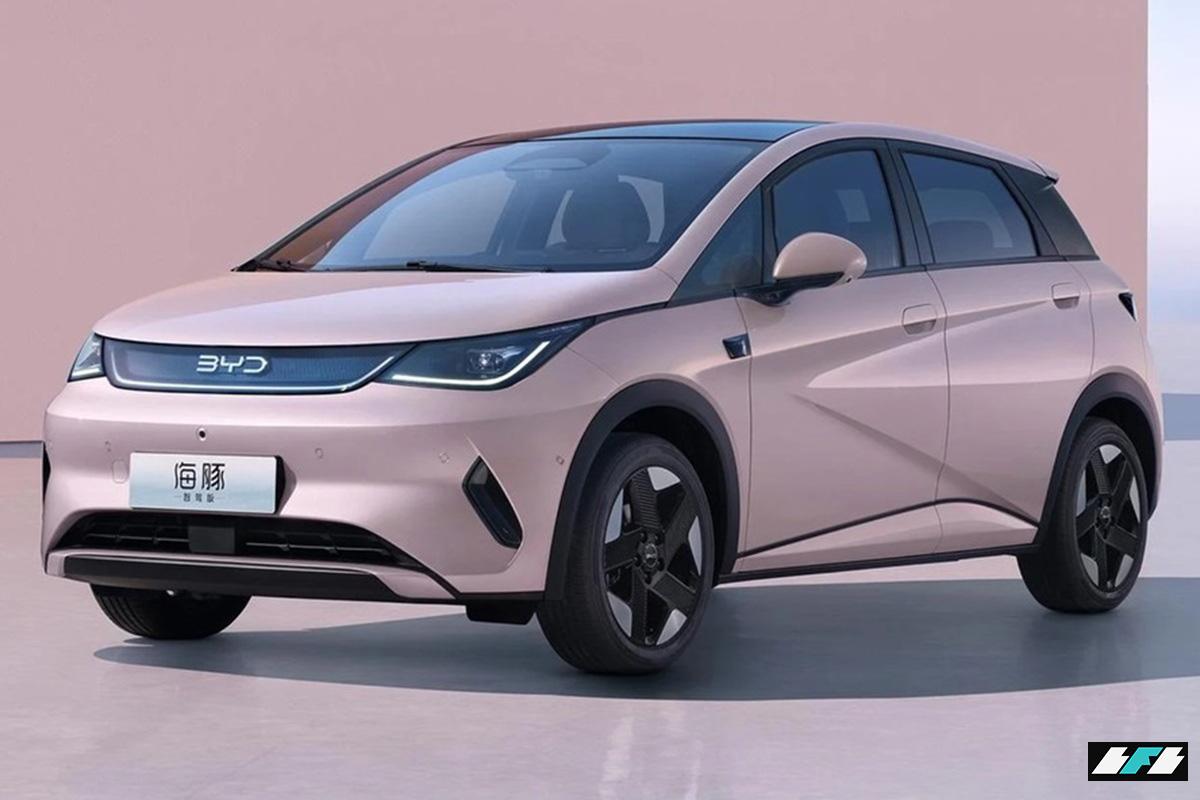
Global experience suggests that well-structured ecosystems—combining charging reliability, predictable electricity pricing, and stable policy signals—allow EVs to compete on total cost with conventional vehicles. A case study cited in industry discussions describes a Brazilian-origin model that was once dismissed as a joke in national circles, later gaining international recognition as a benchmark, thanks to a blend of performance and practicality. While not a universal playbook, this narrative underscores a broader point: with focused policy continuity and access to capital, Brazilian engineers and manufacturers can translate domestic talent into global competitiveness. The path forward blends public investment, private risk-taking, and a consumer-centric approach to affordability and convenience.
Looking ahead, Brazil will need to accelerate charging coverage along corridors and urban centers, nurture a diverse supplier base for batteries and components, and ensure that financing options keep pace with the evolving product lineup. The country’s long-term success in car Electric Vehicles Brazil will depend on a credible vision that aligns government planning, industrial policy, and consumer incentives with a rapidly changing global market.
Actionable Takeaways
- Policymakers should establish a stable, long-term EV roadmap with clearly defined milestones for charging infrastructure, grid upgrades, and local content rules to attract investment risk appetite.
- Automakers and suppliers should pursue regional partnerships to localize battery modules and essential components, reducing logistics costs and boosting resilience.
- financiers should expand flexible ownership models (leases, battery-as-a-service) to lower upfront barriers and align costs with actual usage.
- Consumers should assess total cost of ownership, considering electricity rates, maintenance, and potential resale value when evaluating EV options.
- Utility regulators should harmonize pricing and load management to minimize peak demand impacts while supporting a growing charging network.