Updated: April 17, 2026
Top 5 Electric Vehicles Set to Revolutionize the Market in the Coming Year
As the automotive industry continues to evolve, electric vehicles (EVs) are at the forefront of innovation, sustainability, and performance. In the coming year, several new models are set to hit the market, promising to redefine what we expect from our cars. This article delves into the top 5 electric vehicles poised to make a significant impact, each bringing something unique to the table. From cutting-edge technology to groundbreaking design, these EVs are not just cars; they’re a glimpse into the future of transportation.
The Promising Landscape of Electric Vehicles
The global push towards sustainable energy solutions has accelerated the development of electric vehicles. With advancements in battery technology, charging infrastructure, and government incentives, EVs are becoming more accessible and appealing to a wider audience. According to a report by the International Energy Agency, global EV sales are expected to continue their upward trajectory, further solidifying their place in the mainstream market.
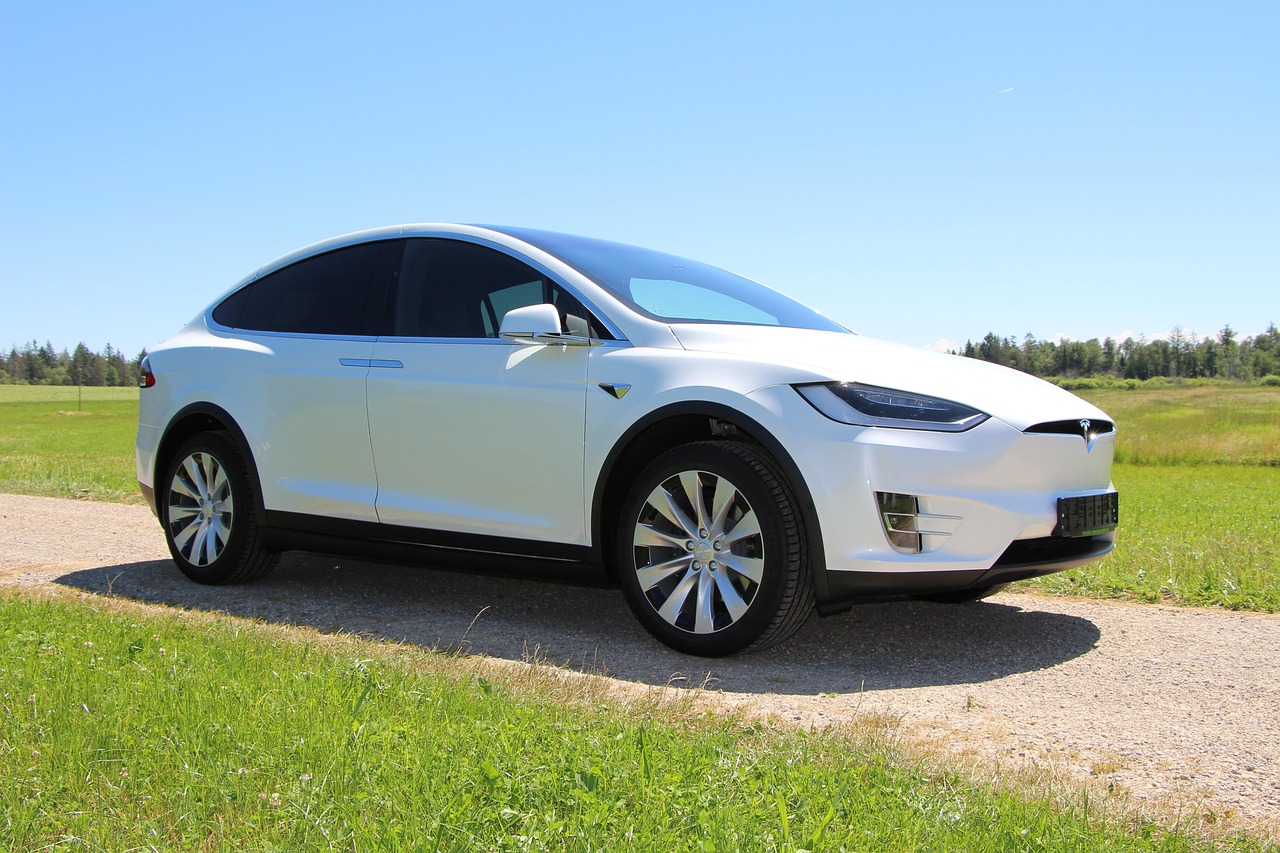
1. Tesla Model S Plaid
Tesla has long been a leader in the electric vehicle market, and the Model S Plaid is no exception. This high-performance sedan boasts a tri-motor setup, delivering over 1,000 horsepower and a 0-60 mph time of under 2 seconds. It’s not just about speed; the Model S Plaid offers a range of over 390 miles on a single charge, making it one of the most practical options for those who crave both performance and efficiency.

With its advanced autopilot features and over-the-air software updates, the Tesla Model S Plaid is a showcase of innovation. Learn more about Tesla’s approach to sustainable transportation and how their cutting-edge technology is shaping the future of the automotive industry.
2. Ford Mustang Mach-E
Ford’s Mustang Mach-E is a bold move, bringing the iconic Mustang name into the electric age. This all-electric SUV combines the classic Mustang styling with modern electric performance. With multiple battery options, the Mach-E offers a range of up to 300 miles, catering to a variety of driving needs.
The Mach-E is equipped with Ford’s latest SYNC 4A infotainment system, providing seamless connectivity and a range of driver-assist technologies. It’s a testament to Ford’s commitment to electrification and their vision for the future of mobility. Discover more about Ford’s electrification strategy and their contributions to the EV market on Ford’s media site.
3. Rivian R1T
The Rivian R1T is set to revolutionize the electric truck market. As one of the first electric pickup trucks, the R1T offers a perfect blend of utility, off-road capability, and sustainable energy. With a range of over 300 miles and a towing capacity of 11,000 pounds, the R1T is built for adventure and practicality.
Rivian’s focus on adventure and sustainability is evident in their unique features, such as the Gear Tunnel for extra storage and their commitment to using eco-friendly materials. To understand Rivian’s unique approach to electric vehicles, visit their official website.
4. Lucid Air
Lucid Motors is making waves with their luxury sedan, the Lucid Air. Known for its sleek design and opulent interior, the Lucid Air competes directly with high-end brands, offering a range of up to 520 miles. This makes it one of the longest-range electric vehicles available.

The Lucid Air is equipped with a dual-motor, all-wheel-drive system, and features a luxurious interior with a spacious, tech-laden cabin. With rapid charging capabilities and a focus on sustainability, Lucid Motors is setting new standards in the luxury EV segment. Explore more about Lucid’s innovative approach on their official site.
5. Nissan Ariya
Nissan, a pioneer in the electric vehicle market with the Leaf, is expanding their EV lineup with the Ariya. This all-electric crossover offers a balance of performance, comfort, and technology. With an estimated range of up to 300 miles, the Ariya provides versatile options for both city and highway driving.
The Ariya features Nissan’s e-4ORCE all-wheel-drive system and ProPILOT Assist 2.0, enhancing both performance and safety. It’s a reflection of Nissan’s ongoing commitment to innovation and their role in the global transition to electric mobility. For more details on Nissan’s EV initiatives, check their technology overview.
The Future of Electric Vehicles
The electric vehicle market is rapidly evolving, with manufacturers continuously pushing the boundaries of what’s possible. As battery technology improves and charging infrastructure expands, EVs are becoming more viable for everyday use. Governments worldwide are also playing a crucial role by providing incentives and setting ambitious targets for reducing carbon emissions.
The models highlighted in this article represent just a fraction of the innovation happening in the EV sector. They signify a shift towards a more sustainable, efficient, and exciting future for transportation. As consumers, the choices we make today will shape the automotive landscape of tomorrow.
Takeaways

The top 5 electric vehicles set to revolutionize the market in the coming year are more than just cars; they’re manifestations of cutting-edge technology, design, and sustainability. From Tesla’s high-performance Model S Plaid to the versatile Nissan Ariya, each vehicle offers unique features that cater to a wide range of preferences and needs.
As the world continues to embrace electric mobility, these vehicles will play a pivotal role in driving the transition to a cleaner, more efficient future. Whether you’re an enthusiast or a potential EV owner, the coming year promises to be an exciting time in the world of electric vehicles.
Embracing Innovation in the EV Sector
The electric vehicle industry is a hotbed of innovation, with manufacturers exploring new technologies to enhance performance, safety, and user experience. One of these innovations is the integration of artificial intelligence and machine learning in vehicle systems. This technological advancement allows for improved navigation, predictive maintenance, and personalized driving experiences, making electric vehicles smarter and more responsive to driver needs.
Moreover, the development of solid-state batteries is poised to revolutionize the EV market. Unlike traditional lithium-ion batteries, solid-state batteries promise higher energy densities, faster charging times, and increased safety. As companies continue to research and develop this technology, we can expect future electric vehicles to be even more efficient and reliable, further boosting consumer confidence and adoption rates.
The Role of Infrastructure in EV Adoption
While the electric vehicles themselves are critical to the transition towards sustainable transportation, the infrastructure supporting these vehicles is equally important. Charging stations are a key component, and their availability and accessibility can significantly influence consumer decisions. Fortunately, governments and private companies are investing heavily in expanding charging networks, ensuring that EV owners have convenient and quick charging options.

In addition to public charging networks, advancements in home charging solutions are making it easier for consumers to integrate EVs into their daily lives. Smart home chargers that can optimize charging times based on electricity rates and usage patterns are becoming increasingly popular, offering both convenience and cost savings. This infrastructure development is crucial for increasing the appeal of electric vehicles and supporting their widespread adoption.
Sustainability and Environmental Impact
The shift towards electric vehicles is driven not only by technological advancements but also by the imperative to reduce environmental impact. EVs produce zero tailpipe emissions, contributing to cleaner air in urban areas and helping to combat climate change. With the transportation sector being a significant source of greenhouse gas emissions, the adoption of electric vehicles is a vital step towards achieving global sustainability goals.
Moreover, the production processes for electric vehicles are becoming more environmentally friendly. Manufacturers are increasingly using recycled materials and adopting energy-efficient practices in their factories. These efforts are crucial in minimizing the overall environmental footprint of electric vehicles, from production to end-of-life recycling.
Consumer Perceptions and Market Trends
Consumer perceptions of electric vehicles are shifting as more people recognize the benefits of EV ownership. These benefits include lower fuel costs, reduced maintenance expenses, and a quieter, smoother driving experience. Additionally, the growing variety of electric vehicle models, from compact cars to SUVs and trucks, means there is an EV for every lifestyle and budget.
Market trends also indicate a growing interest in electric vehicles among younger generations, who are more environmentally conscious and tech-savvy. As these consumers enter the car-buying market, their preferences will likely drive further innovation and demand for electric vehicles. Social media and digital platforms are playing a crucial role in shaping consumer perceptions by providing information and fostering communities around electric mobility.

Challenges and Opportunities Ahead
Despite the promising outlook, the electric vehicle market faces several challenges that need to be addressed. The initial cost of electric vehicles remains a barrier for some consumers, although prices are gradually decreasing as technology advances and economies of scale are realized. Additionally, ensuring a stable supply chain for critical materials used in batteries, such as lithium and cobalt, is essential for sustainable growth in the EV sector.
However, these challenges present opportunities for innovation and collaboration across industries. For instance, advancements in battery recycling and the development of alternative materials can help create a more sustainable and resilient supply chain. Furthermore, partnerships between automakers, tech companies, and governments can accelerate the deployment of charging infrastructure and the adoption of electric vehicles.
Final Thoughts
The coming year is set to be a pivotal one for the electric vehicle market, with new models and technologies poised to capture the imagination of consumers worldwide. As we embrace this new era of transportation, the top 5 electric vehicles highlighted in this article exemplify the exciting possibilities that lie ahead. Whether through groundbreaking performance, luxury, or practicality, these vehicles are setting the stage for a cleaner, more sustainable future.
Ultimately, the transition to electric vehicles is not just about replacing gasoline engines with batteries; it’s about reimagining the way we move and live. As more people experience the benefits and joys of electric driving, the momentum towards a sustainable transportation future will only continue to grow.