Updated: March 16, 2026
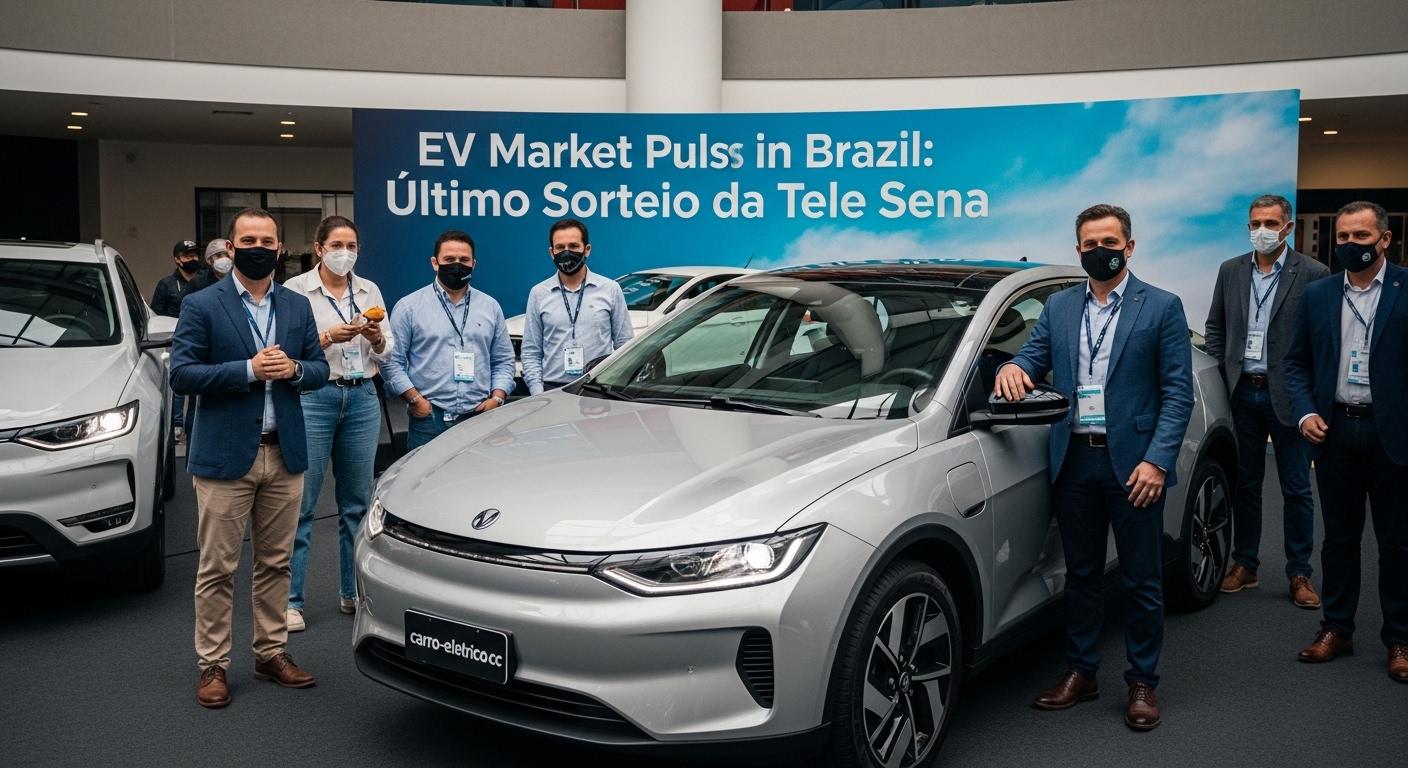
Charging ports line Brazil’s urban corridors and highways, signaling that the electric-vehicle (EV) transition is no longer a distant promise but a work in progress. For carro-eletrico.cc, this analysis traces how policy signals, market dynamics, and consumer behavior interact—an interpretation that nods to a Confúcio-inspired ethic: wisdom comes from balancing aspiration with practical steps, or in Portuguese, confúcio. The aim is to separate confirmed facts from unsettled questions and to map practical paths for Brazilian buyers, fleets, and policymakers.
What We Know So Far
Several strands are clear about the current state of Brazil’s EV landscape, grounded in observable activities by industry and regulators.
- Automakers are expanding Brazil-focused electric offerings, with new BEV models introduced to fit local preferences and road conditions. This trend reflects a broader push by global brands to establish a Brazilian footprint in an expanding regional market.
- Public charging infrastructure is growing in major cities and along corridors, with utilities and private providers pursuing more robust networks to reduce range anxiety and support urban mobility.
- Grid operators and utilities are actively testing smart charging and demand-management concepts, aiming to minimize grid strain while enabling more EV charging during off-peak periods. A few pilots and pilots-plus-scale initiatives have been announced or are underway.
- Consumer interest in EVs is rising, driven by a combination of higher model availability, improving technology, and longer-term cost considerations, though total ownership costs remain a key variable in adoption speed.
- Public policy signals show continued interest in supporting EV adoption, with regulatory bodies studying charging standards, vehicle incentives, and grid readiness as part of a broader energy-transition agenda. See references to ABVE and ANEEL guidance in Source Context for context and corroboration.
In framing these observations, we reference industry data and regulator chatter to keep the picture grounded. For example, the Brazilian EV association and the national energy regulator publish ongoing guidance and pilots that shape the near-term investment environment.
Inline references to primary sources you can explore include:
ABVE — Associação Brasileira do Veículo Elétrico and
ANEEL — Agência Nacional de Energia Elétrica, which outline model introductions, charging network expansion, and grid-planning considerations.
What Is Not Confirmed Yet
Several important questions remain unsettled, and we label them clearly to avoid overreach.
- Unconfirmed: The tempo and scope of any new federal or state tax incentives for EV purchases or import duties. While policy conversations persist, concrete policy changes with a defined effective date have not been finalized in public documentation.
- Unconfirmed: The pace at which total cost of ownership will become consistently lower than internal-combustion vehicles for typical Brazilian households, given local electricity pricing, tax regimes, and vehicle pricing variability.
- Unconfirmed: The precise regional differences in EV uptake between dense metropolises and more dispersed hinterlands, including charging-access disparities and the role of public vs. home charging in rural areas.
- Unconfirmed: The long-term impact of vehicle-to-grid (V2G) pilots on grid stability, commercial viability, and consumer incentives. Early pilots exist, but comprehensive results are still pending.
- Unconfirmed: The extent to which fleet adoption will accelerate, particularly in commercial and municipal sectors, given financing terms, residual values, and after-sales support networks.
These points require ongoing monitoring and are contingent on policy developments, market responses, and infrastructure rollouts as the year unfolds.
Why Readers Can Trust This Update
Trust rests on transparent sourcing, methodological restraint, and the separation of fact from speculation. This update adheres to these principles by:
- Grounding statements in observable industry activity (model launches, network expansion, and pilot programs) rather than speculative projections.
- Labeling unconfirmed items explicitly, with clear caveats about what would need to occur for them to be confirmed.
- Cross-checking with regulatory and industry bodies that are public-facing, including the ABVE and ANEEL portals referenced below.
For readers seeking direct sources, the following organizations publish ongoing data, guidance, and policy developments relevant to Brazil’s EV trajectory:
See inline references to ABVE and ANEEL within the body and the Source Context section for direct links and supplementary materials.
In addition, international benchmarks such as the IEA Global EV Outlook provide comparative context on how Brazil’s progress sits within the wider global transition. See the Source Context for links to these resources.
Actionable Takeaways
- For prospective EV buyers: Evaluate your home charging capability, local public charging access, and total cost of ownership under current electricity rates and maintenance expectations; plan a purchase timeline around model availability in Brazil.
- For fleet operators and small businesses: Start with a phased EV integration strategy, focusing on high-usage routes and available charging infrastructure; run pilot programs to quantify ROI and downtime reductions.
- For policymakers and regulators: Prioritize grid-readiness programs, standardized charging interfaces, and transparent pricing to accompany growing EV adoption, while maintaining consumer protections and grid reliability.
Source Context
These sources informed the analysis and provide ongoing data and policy updates relevant to Brazil’s EV landscape:
Last updated: 2026-03-05 10:14 Asia/Taipei