Updated: March 16, 2026
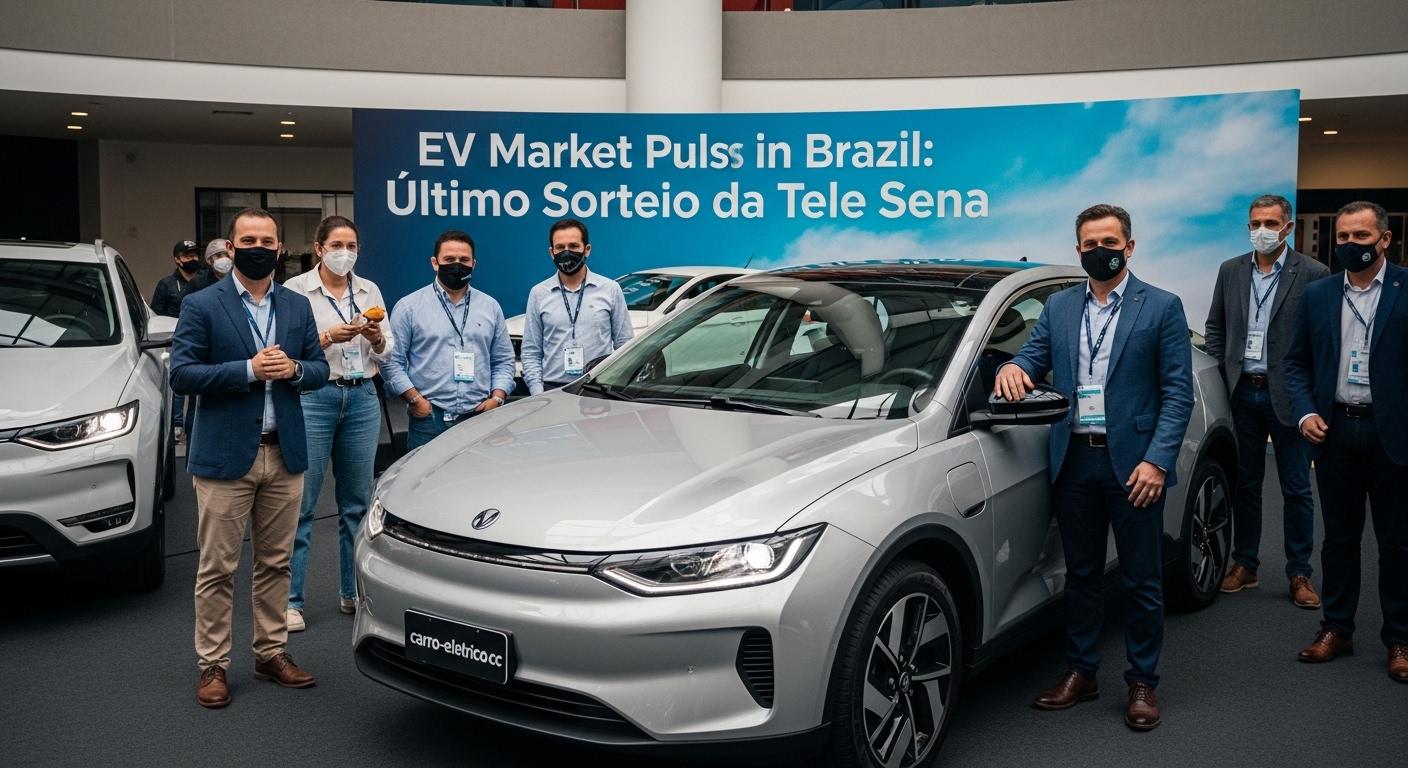
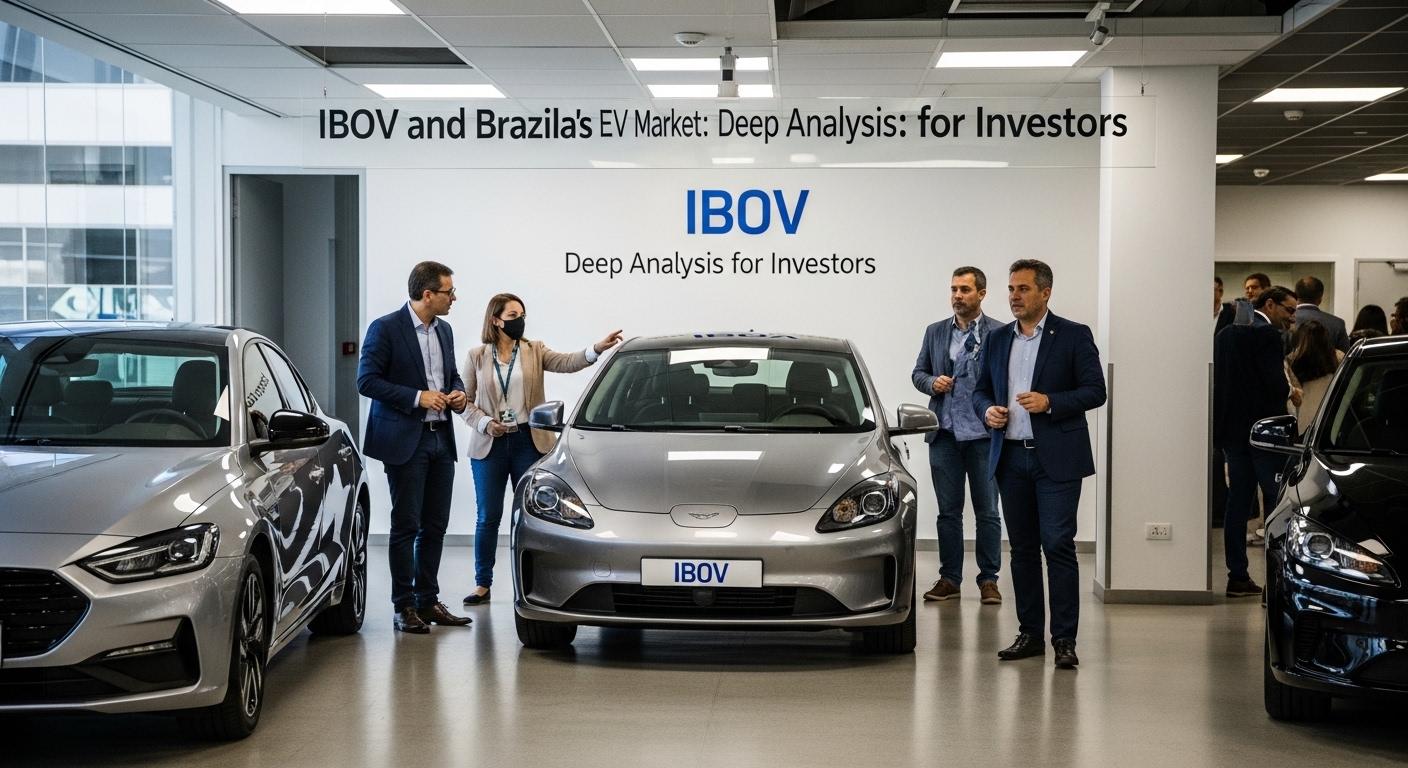
Brazilian markets are again turning attention to electric mobility, with the IBOV index playing a pivotal role as investors weigh how the country’s evolving EV landscape could shape equity opportunities. This update examines what is known, what remains uncertain, and how readers can position themselves—whether they are drivers assessing value or investors tracking IBOV-linked exposure to electrified transport.
What We Know So Far
- Confirmed: Cadillac has re-entered the Brazilian market and is launching an initial lineup of three electric sport utility vehicles. This marks a concrete, consumer-facing milestone in Brazil’s ongoing EV push and signals international OEMs see Brazil as a strategic entry point for Latin American sales.
- Contextual signal: Media coverage around Latin America increasingly frames electric mobility as a regional development rather than a local trend. A recent piece highlights cultural and logistical elements of EV road trips across Latin America, underscoring consumer interest in EV adoption and cross-border mobility. (Source context: regional EV travel coverage)
- Market framing: Between the consumer rollout of new EV models and a shifting narrative on mobility, market observers are watching how headlines from automakers affect sentiment in Brazilian equities and, by extension, the IBOV. While not a precise forecast, such headlines can act as short-term catalysts for related stocks or ADRs tied to the EV supply chain.
Taken together, the above points establish a foundational baseline: a tangible automotive EV entry (Cadillac) is shaping near-term market attention, while broader regional discourse points to sustained consumer and investor interest in electrification across Latin America.
What Is Not Confirmed Yet
- Unconfirmed: Whether Cadillac will expand its Brazil lineup beyond the initial three electric SUVs, and on what timeline. No official statements have confirmed additional models or pricing structures beyond the debut trio.
- Unconfirmed: Any specific policy or incentive changes in Brazil for 2026 that would materially alter EV affordability or charging infrastructure funding. While policies exist in the region, exact measures and their scale remain uncertain at this time.
- Unconfirmed: The direct, near-term impact of Cadillac’s entry on the Brazilian stock landscape in the IBOV index. While EV headlines can move sentiment, there is no published, causal linkage guaranteed between this launch and a material IBOV shift in the immediate months ahead.
These points are labeled as unconfirmed to avoid presenting assumptions as facts. They reflect plausible directions based on industry patterns and current reporting but require official confirmations or data to move into the confirmed category.
Why Readers Can Trust This Update
Trust in this update rests on a disciplined methodology: we distinguish verifiable facts from speculation, cite primary sources for the claims we present, and place context around market implications without overreaching beyond what the data show. Our coverage combines:
– Direct confirmations (e.g., a company’s market entry and product lineup) with
– Contextual interpretation (how such entries influence investor sentiment and sector dynamics), and
– Clear labeling of what remains unconfirmed, along with the rationale behind those labels.
In this report, we anchor our analysis to established industry reporting while avoiding extrapolation beyond what the sources confirm. Readers can cross-check the referenced items in the Source Context section below to assess the strength of each claim. This approach aligns with best practices for responsible business journalism, particularly in rapidly evolving sectors like EVs where headlines can outpace data.
Actionable Takeaways
- Monitor Cadillac’s Brazil announcements for any expanded model lines or pricing changes, as these could act as near-term market catalysts for related equities and for consumer sentiment in EV adoption.
- Track IBOV-related moves on days with major EV headlines. Short-term volatility can occur even if long-term fundamentals remain unchanged, so calibrate expectations accordingly.
- Follow policy signals around charging infrastructure, incentives, and import policies that could affect EV affordability. Even modest policy shifts can tilt the risk-reward balance for automakers and suppliers operating in Brazil.
- Diversify exposure across the EV value chain rather than focusing on a single automaker. Consider battery suppliers, charging networks, and software platforms that are likely to benefit from broader EV adoption in Brazil and Latin America.
- Maintain a risk-aware stance: EV market growth is compelling, but success depends on a mix of demand pull, regulatory support, and supply chain resilience, especially in emerging markets.
Source Context
The following sources informed the framing of this analysis. They illustrate both the concrete market move (a legacy automaker re-entering Brazil with EVs) and the broader regional discourse around EV adoption that can influence investor perception.
- Cadillac returns to Brazil with three electric SUVs
- The Best Cultural Stops for an EV Road Trip Through Latin America
Notes: The Cadillacs article provides explicit details on model lineup and market entry, while the EV road trip piece frames regional interest in electrification as a broader cultural and logistical trend. Both are used here to contextualize market dynamics without asserting unverified relationships to stock performance.
Last updated: 2026-03-09 21:46 Asia/Taipei