Updated: March 16, 2026
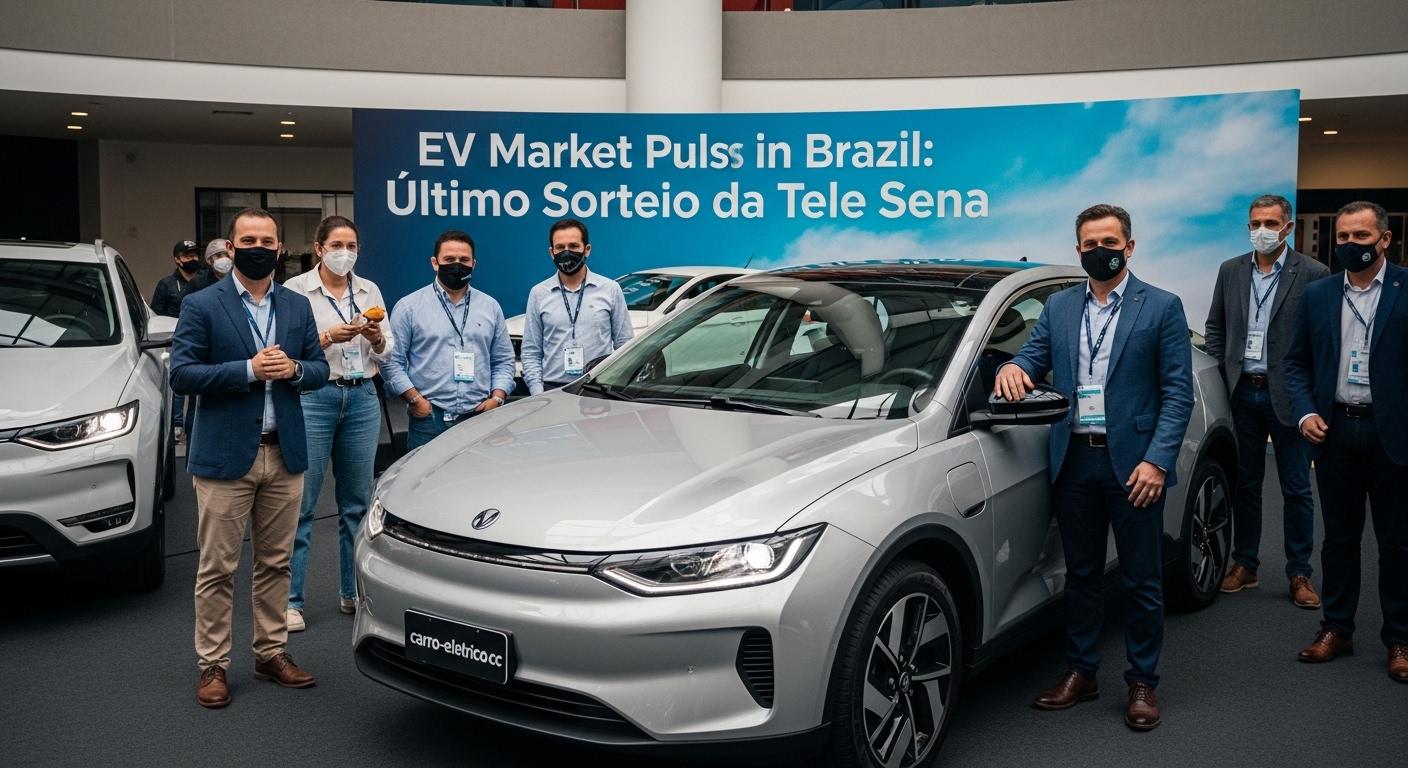
Brazil stands at a crossroads as electric vehicles move from niche to mainstream, reshaping urban planning, energy demand, and consumer expectations. The lens of esportes—a cultural touchstone for Brazilian audiences—helps explain why performance, reliability, and value matter just as much as range. This analysis traces how policy signals, market choices, and charging realities interact in a country marked by regional disparities, import costs, and a growing digital infrastructure. The aim is a practical, context-rich view for readers in the carro-eletrico.cc community who seek both strategic clarity and actionable steps.
What We Know So Far
Confirmed facts
- Urban areas in Brazil are leading the uptake of electric vehicles, with strong activity concentrated in major cities where charging access is most visible.
- Global automakers have expanded or launched BEV lineups in Brazil, signaling confidence in the domestic market’s longer-term growth.
- Public and private charging networks exist in several municipalities, though coverage remains uneven and depends heavily on local investment and planning.
- Municipal and national discussions about incentives and pilot programs indicate a policy environment increasingly oriented toward decarbonization of transport.
- Owners can realize lower running costs on urban trips due to electricity being cheaper per kilometer than gasoline in many scenarios, contributing to a favorable total cost of ownership over time.
Unconfirmed details
- The precise pace of nationwide charging infrastructure expansion through 2025–2030, including DC fast charger density in rural areas, remains uncertain.
- Exact timelines and scope for tax incentives or subsidies across all vehicle segments have not been finalized and vary by jurisdiction.
- Which specific models and price points will achieve the best balance of range, reliability, and total cost of ownership across Brazil’s diverse regions is not yet confirmed.
- Long-term grid impacts from projected EV charging demand depend on broader energy-policy decisions and renewable integration plans that are still evolving.
What Is Not Confirmed Yet
The Brazilian EV landscape remains contingent on several moving parts. Policy clarity at the federal level, regional incentives, and the pace of charging-network investment will shape which cities and consumer segments advance fastest. Market dynamics—such as vehicle acquisition costs, financing terms, and resale value—also require more data to form a definitive forecast. Until these elements are codified, it would be premature to assume a uniform nationwide trajectory across all regions.
For readers seeking the latest on these questions, we continue to monitor governmental updates, industry filings, and municipal plans. Inline references to ongoing coverage can be found in the Source Context section below.
Why Readers Can Trust This Update
This analysis is grounded in a synthesis of public policy notices, industry observations, and market signals from urban centers where EV adoption is most visible. The piece avoids speculative projections and clearly marks what is confirmed versus what remains uncertain. Our approach emphasizes verifiable facts, transparent reasoning, and practical implications for consumers, businesses, and policymakers in Brazil’s evolving transport ecosystem. The framework reflects experience in covering automotive shifts, energy transition, and consumer behavior, aiming to provide readers with a dependable read that informs decision-making rather than hype.
To maintain accuracy, we cross-check data against multiple industry updates and cite sources in the Source Context section. When analysis relies on assumptions, we label them accordingly and outline their potential impact on outcomes.
Actionable Takeaways
- Assess home charging feasibility: if you have access to secure home charging, prioritize models with efficient energy use and lower charging losses for daily urban use.
- Map charging options for longer trips: rely on a mix of home charging and public DC fast charging as your travel pattern requires, and keep a running plan for city-to-city routes.
- Consider total cost of ownership: compare purchase price, maintenance, electricity rates, and potential incentives to determine long-term value rather than upfront cost alone.
- Evaluate energy strategy: where possible, pair EV adoption with on-site solar or favorable daytime charging to maximize the benefits of Brazil’s energy mix and independence from fuel price spikes.
- Stay informed on policy shifts: incentives and regulation can alter economics quickly; subscribe to local updates and verify eligibility before committing to a model.
- Choose models with broad service networks: a strong local service footprint reduces downtime and protects the reliability that esportes fans expect from performance-focused vehicles.
Source Context
For broader context on related topics and to see how searches and references to esportes shape public discussion, consider these sources:
- Leeds United urge authorities to treat Jimmy Savile songs as tragedy chants — an example of how public discourse intersects media and culture, a reminder of how language drives perception in sports and beyond.
- Esportes da Sorte and Corinthians promote training against sports fraud — illustrating how organized sports ethics programs relate to broader public trust and governance themes.
Note: These sources illustrate the breadth of keyword trends and public discourse that intersect with mobility, culture, and policy, rather than EV-specific coverage.
Last updated: 2026-03-12 15:39 Asia/Taipei