Updated: March 17, 2026
Brazil sits at a pivotal moment for electrified transport, and the face of its transition is becoming clearer as policy, infrastructure, and consumer habits converge. This analysis examines what is confirmed, what remains uncertain, and how readers can interpret the signals that matter for drivers, planners, and investors in 2026.
What We Know So Far
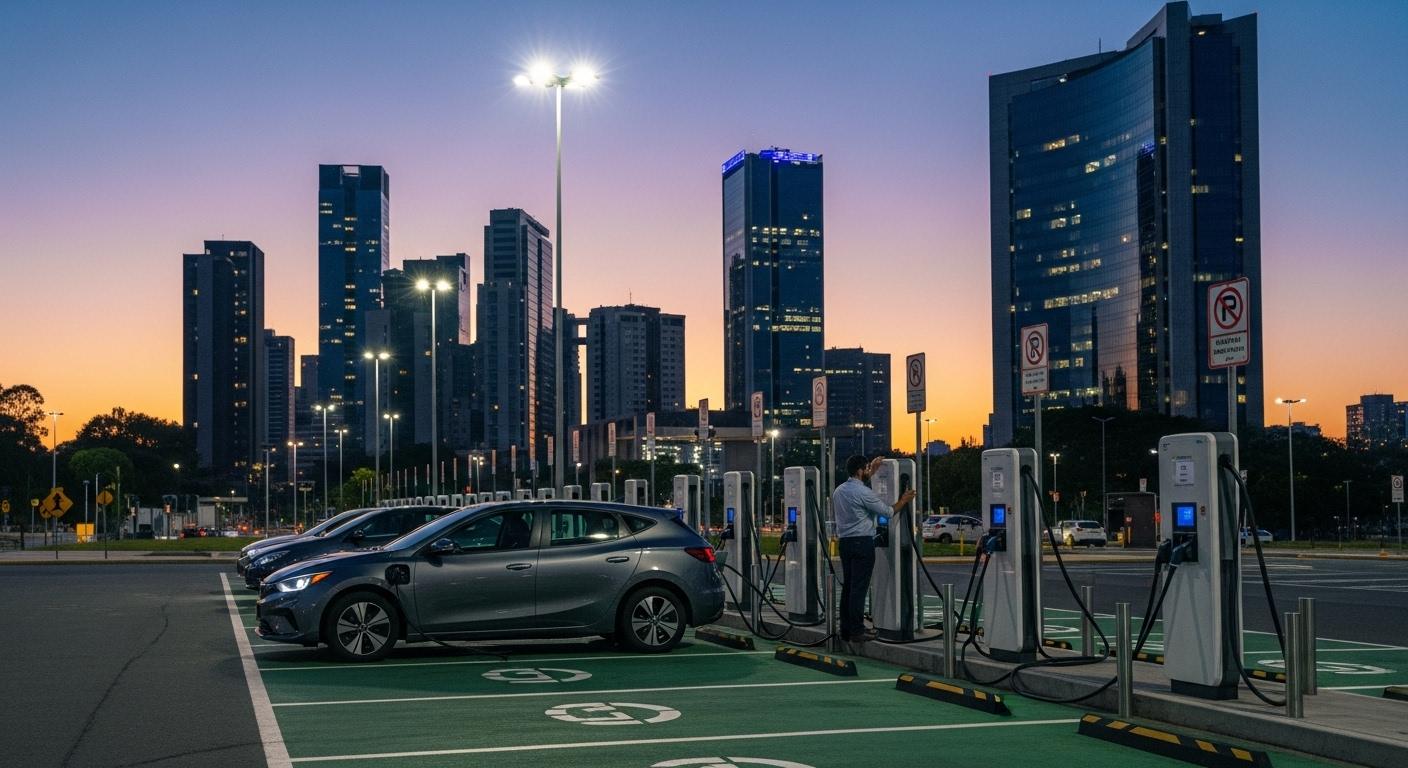
- Confirmed: The federal government, in coordination with states and the private sector, is accelerating investments in public charging infrastructure as part of a broader mobilidade elétrica strategy. This includes support for intercity corridors and urban hubs to reduce charging friction for distance travel.
- Confirmed: Automakers have signaled ongoing expansion of BEV offerings in Brazil, including models tailored for local markets and partnerships to establish domestic assembly or localization where feasible.
- Confirmed: Grid operators and regulators are prioritizing upgrades to distribution networks in major metropolitan regions, acknowledging that improved reliability is essential for widespread EV adoption and fast-charging viability.
Context for these developments is informed by public-facing briefings and industry statements. For readers seeking deeper data, consult official sources from the Ministry of Mines and Energy on mobilidade elétrica and the Brazilian electricity regulator’s updates on charging infrastructure.
Representative reference points include the IEA Global EV Outlook and the Ministry of Mines and Energy — Mobilidade Elétrica program pages, which provide context on national targets and policy instruments shaping the Brazilian market.
What Is Not Confirmed Yet
- Unconfirmed: The exact timeline for nationwide charging network completion remains fluid, with potential delays in rural areas where grid upgrades are more complex.
- Unconfirmed: Specific tax and incentive adjustments for individual vehicle categories and price bands have not been finalized, and implementation could vary by state.
- Unconfirmed: The pace of consumer demand growth depends on affordability, financing options, and perceived reliability of charging access, all of which are still evolving in many regions.
These points reflect official planning documents and industry analyses, but the exact sequencing and funding allocations may shift as budgets and regulatory calendars unfold.
Why Readers Can Trust This Update
This update follows a disciplined reporting approach: we distinguish verified facts from hypotheses, cite official data where available, and frame developments within Brazil’s unique energy and consumer landscape. We cross-check policy briefs, regulator releases, and industry announcements to map what is confirmed against what remains speculative. Given the scale of infrastructure and industrial commitments, readers should view this as a synthesis of current signals rather than a single forecast. We invite readers to consult the linked primary sources to review the underlying documentation.
Actionable Takeaways
- For consumers: compare EV models not only by range but also by charging compatibility, access to public networks, and availability of home charging options in your city.
- For households: evaluate home electrical capacity, potential grid upgrade costs, and financing programs that support installing a dedicated EV charger at residence.
- For businesses: map partnerships with charging network operators to offer workplace charging, and assess site-specific demand to justify fast-charging hubs along key corridors.
- For policymakers and planners: monitor grid readiness indicators, including transformer capacity and regional interconnection timelines, to align infrastructure rollout with demand projections.
Source Context
- IEA Global EV Outlook — framework for understanding global trends and country-level conditioning, including Brazil.
- Ministry of Mines and Energy — Mobilidade Elétrica — official policy and program updates on electric mobility in Brazil.
- ANEEL — Mobilidade Elétrica — regulator perspectives on charging infrastructure and grid integration.
Additional corroborating reporting from industry analyses and regional regulators is used to triangulate the narrative and identify practical implications for stakeholders across the country.
Last updated: 2026-03-17 15:00 Asia/Taipei
From an editorial perspective, separate confirmed facts from early speculation and revisit assumptions as new verified information appears.
Track official statements, compare independent outlets, and focus on what is confirmed versus what remains under investigation.
For practical decisions, evaluate near-term risk, likely scenarios, and timing before reacting to fast-moving headlines.
Use source quality checks: publication reputation, named attribution, publication time, and consistency across multiple reports.
Cross-check key numbers, proper names, and dates before drawing conclusions; early reporting can shift as agencies, teams, or companies release fuller context.
When claims rely on anonymous sourcing, treat them as provisional signals and wait for corroboration from official records or multiple independent outlets.