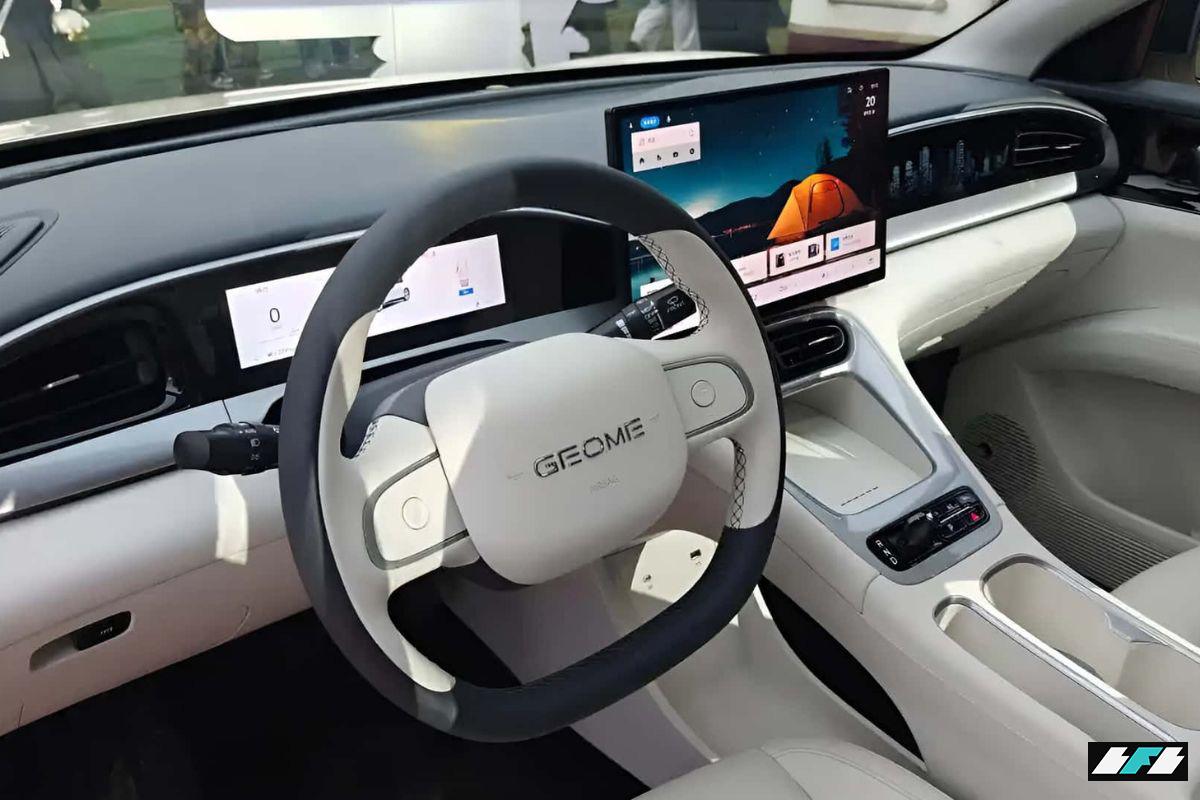
In brazil Electric Vehicles Brazil, analysts say the market is entering a new phase, where local production, charging networks, and consumer confidence converge to push EVs beyond early adopters. With manufacturers expanding assembly lines and state-backed projects widening public charging options, Brazil stands at an inflection point in the Latin American EV story.
Market momentum and local production
Brazil’s EV momentum is increasingly driven by a blend of domestic assembly, supplier ecosystems, and a geographic footprint that reaches into both urban hubs and regional markets. Auto and battery players have begun expanding regional plants, while Brazilian suppliers are gradually integrating into regional supply chains. Early 2026 market signals place the EV share around the high single digits to low double digits, reflecting a country that is moving beyond niche pilots toward scalable adoption. Analysts emphasize that the pace will hinge on cost competitiveness, availability of battery materials, and the ability of manufacturers to offer vehicles tailored to Brazilian incomes and road conditions.
Beyond the showroom, the adoption of EVs in Brazil is linked to corporate fleets and delivery services that push demand for durable, higher-mileage models. Municipalities are piloting micro-grid and charging projects that pair with solar and bioenergy, creating demonstrations for how EVs can fit within the country’s energy mix. While consumer enthusiasm grows, the critical test remains aligning supply with consumer needs, including affordable financing, transparent maintenance costs, and predictable after-sales support.
Policy and incentives shaping demand
The policy landscape for electric vehicles in Brazil is a patchwork of federal signals and state or municipal incentives. Some jurisdictions are experimenting with tax exemptions or reductions for EV purchases, while others focus on subsidizing charging infrastructure and time-of-use electricity pricing that favors off-peak charging. At the federal level, policy rhetoric emphasizes decarbonization and local job creation, but fiscal incentives vary by year and budget cycles. The practical effect for buyers and fleets is a growing, but uneven, set of options that can materially alter total cost of ownership over the vehicle’s life.
Industry observers caution that policy clarity—on battery sourcing, import duties, and charging interoperability—remains essential to unlock scale. A stable policy horizon, complemented by predictable incentive programs, can help automakers and financing partners extend loan terms and reduce upfront costs for Brazilian households and small businesses.
Infrastructure and charging accessibility
Charging infrastructure in Brazil has grown in major cities and along freight corridors, with a mix of public stations, workplace charging, and home setups. The rollout strategy increasingly emphasizes fast charging along key regional routes, along with synchronized standards to ease cross-border travel within South America. Consumers are learning to balance upfront vehicle costs against long-term savings from lower fuel and maintenance, while utilities and local networks work to manage peak demand and grid stability as charging becomes more prevalent.
While availability has improved, dispersion remains a challenge outside urban centers. Private investment, public-private partnerships, and standardized processes for permitting and interconnection are essential to extending reliable charging access to more Brazilian households and small towns. In this context, the customer experience—real-time charger status, pricing transparency, and straightforward reservation tools—emerges as a practical differentiator between successful EV adoption and stagnation.
Industry investment and regional dynamics
Investment in Brazil’s EV ecosystem reflects a convergence of traditional automotive capital, global battery supply, and regional manufacturing ambitions. Automakers and suppliers describe Brazil as a strategic hub for South America, citing access to road networks, skilled labor, and a growing domestic market. The development of battery value chains, joint ventures, and logistics networks signals a longer-term bet that Brazil can reduce import exposure and create local value-add in vehicles and components. The regional dimension—how Brazil coordinates with neighboring markets and adapts to global battery trends—will influence pricing, availability of models suited to Brazilian conditions, and the pace of electrification across different income groups.
Yet challenges persist, including ensuring stable energy supply during peak charging periods, navigating currency fluctuations that affect vehicle and battery costs, and aligning financing terms with a broader consumer base. Observers emphasize that sustained investment, transparent policy cues, and consistent consumer education are necessary to translate early pilots into durable, widely accessible EV ownership for a broad cross-section of Brazilians.
Actionable Takeaways
- Policymakers and regulators: pursue grid modernization and standardized charging interfaces to reduce barriers for mass EV adoption.
- Fleets and businesses: consider total cost of ownership, financing, and after-sales support when transitioning to electric models.
- Automakers and suppliers: invest in local assembly, component manufacturing, and battery reuse programs to build resilience in the Brazilian market.
- Utilities and network operators: develop fast-charging corridors and demand-management programs to accommodate rising charging loads.
- Consumers: compare long-term savings from electricity prices and maintenance versus upfront purchase costs, and stay informed about regional incentives.