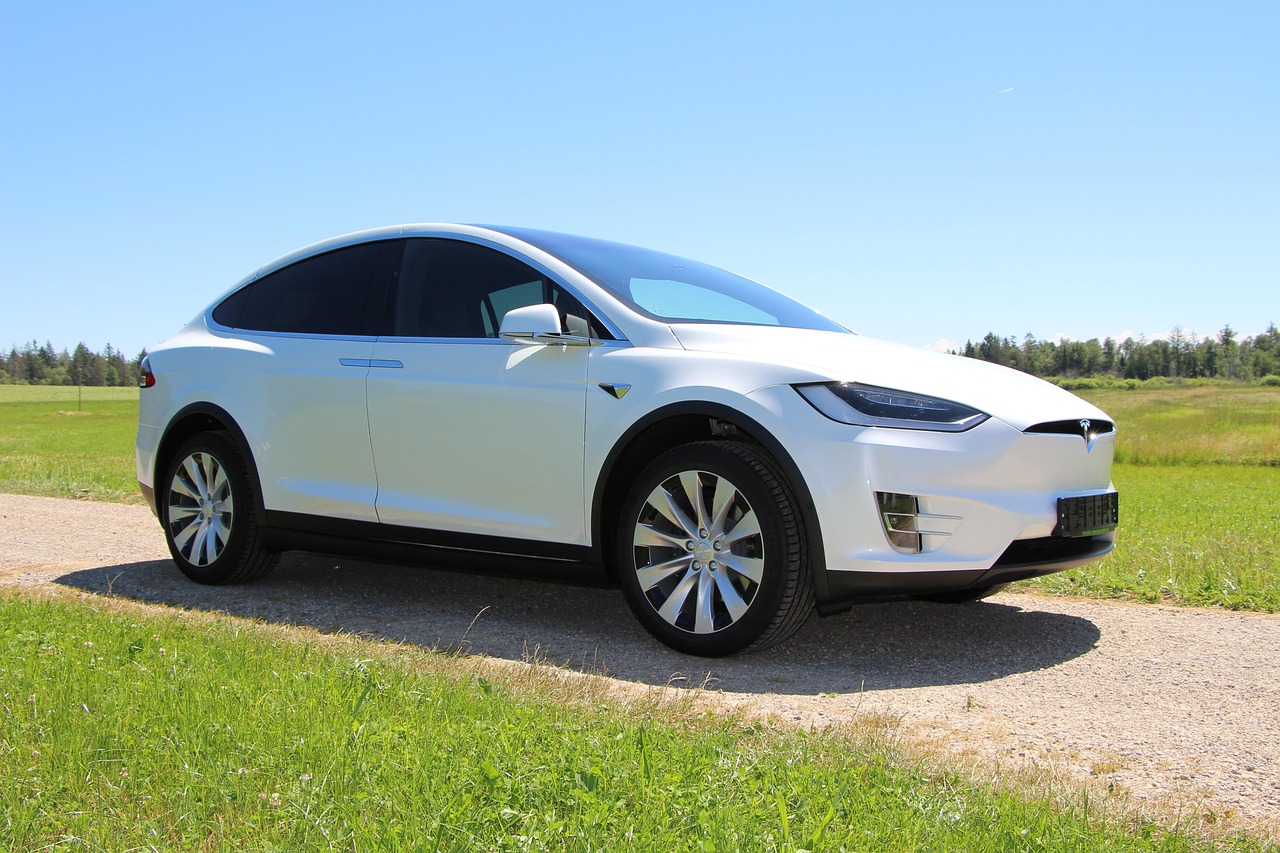
Brazil’s journey into the electric era is no longer a novelty story but a test case for how a growing middle-income market negotiates technology costs, policy ambiguity, and a sprawling geography. In the past two years, what began as showroom chatter about a few niche models has matured into a practical debate about ownership economics and national competitiveness. The brazil Electric Vehicles Brazil conversation frames the broader question: can a market of 213 million people scale charging, supply chains, and local manufacturing fast enough to translate climate aims into everyday choices? This analysis explores the forces shaping adoption, the bottlenecks that slow it, and the scenarios that could push Brazil from late to leading in the regional EV shift. By pairing policy signals with real-world cost dynamics, we aim to offer Brazil-focused insights for policymakers, businesses, and curious consumers alike.
Policy framework and incentives
Brazil’s policy landscape for electrification has evolved from a patchwork of state incentives to a more coherent national dialogue about how to reconcile consumer affordability with the strategic aim of reducing transport emissions. The central narrative centers on programs that reward lower fuel consumption and higher electrification among fleets, as well as tax structures that lenders and manufacturers watch closely. While the federal posture has signaled support for cleaner mobility, actual consumer incentives remain uneven across states, and import duties on parts and vehicles can scale the final sticker price. For automakers, compliance with performance targets tied to the Rota 2030-era framework remains a reference point, even as market realities—such as currency volatility and supply-chain resilience—reshape implementation timelines. In short, policy signals are encouraging but must be matched with predictable, nationwide execution to unlock mass adoption. This section outlines the causal links between policy, pricing, and consumer behavior that determine whether incentives translate into real orders.
Infrastructure and grid readiness
Charging infrastructure is the most visible bottleneck in a country where urban density concentrates demand, but long intercity drives reveal the most consequential gaps. Home charging is convenient for apartment dwellers with private garages; for many Brazilians, however, parking is shared and access to home charging is not guaranteed. Public charging networks are expanding, but the pace is inconsistent between capitals and interior towns, and interoperability remains a hurdle for drivers who need a familiar payment and authentication method. Grid capacity matters too: fast charging requires localized investments in transformers, substations, and maintenance crews, especially in regions with constrained daytime demand. Public–private partnerships and grid-connection incentives are critical to avoid peak load spikes and to ensure that new EVs do not strain antiquated distribution systems. The infrastructure puzzle is not merely about stalls; it is about reliable, predictable access across urban and rural routes that supports trip planning and resale confidence.
Industry dynamics: local production and global players
Brazil’s automotive market is still a battleground of conversion rather than conquest. Global players see Brazil as a testing ground for electrification strategies attuned to Latin American life: multi-model portfolios, local assembly, and after-sales networks that understand regional needs. Local content rules, supplier ecosystems, and regional labor costs shape which EVs reach showrooms, and at what price point. Several automakers have begun pilot production or assembly of electrified models, and bus and commercial-vehicle segments accelerate deployment due to fleet economics. Yet, consumer sedans and compact SUVs remain expensive relative to average incomes, pressuring manufacturers to bridge the price gap through local sourcing and government incentives. In this context, Brazil’s EV narrative is as much about supply-chain resilience and regional cooperation as it is about technology per se. A pragmatic view sees a slow but steady expansion of electric options as local industries consolidate capabilities and the value chain diversifies beyond traditional combustion engines.
Consumer economics and adoption scenarios
Total cost of ownership is the primary lens through which Brazilian households judge EVs, and it is heavily influenced by upfront price, fuel savings, maintenance costs, and resale value. Even where electricity is cheaper than gasoline on a per-kilometer basis, the higher upfront price and financing terms can deter first buyers. The exchange-rate environment matters: a depreciation of the real can tilt prices in favor of imported EVs or conversely make local content more attractive if priced in real terms. Fleet operators—especially logistics and ride-hailing—are pushing the market forward by demonstrating reliability, durability, and savings at scale. If battery costs continue their gradual decline and charging becomes more convenient, early adopters in urban centers could set usage norms, while rural and semi-urban regions may follow once charging corridors are extended. The scenarios for Brazil Electric Vehicles Brazil to move from niche to ordinary depend on coordinated policy, resilient supply, and credible charging networks that reduce range anxiety and financial risk for households.
Actionable Takeaways
- Align federal and state incentives to reduce the price gap between EVs and internal combustion vehicles, with transparent, long-term eligibility.
- Expand home and public charging access, prioritizing multi-unit dwellings and underserved regions, plus interoperable payment systems.
- Invest in high-capacity charging corridors and grid upgrades to support intercity travel and business fleets.
- Foster local battery, parts, and vehicle assembly ecosystems to reduce import exposure and currency risk.
- Encourage fleet pilots in logistics and ride-hailing to validate total-cost-of-ownership benefits and inform scale.
- Promote consumer education on total cost of ownership, maintenance, and resale value to build trust.
- Streamline permitting and regulatory compliance to accelerate dealership and service-network expansion.
Source Context
Context and references that informed this analysis: