Updated: March 15, 2026
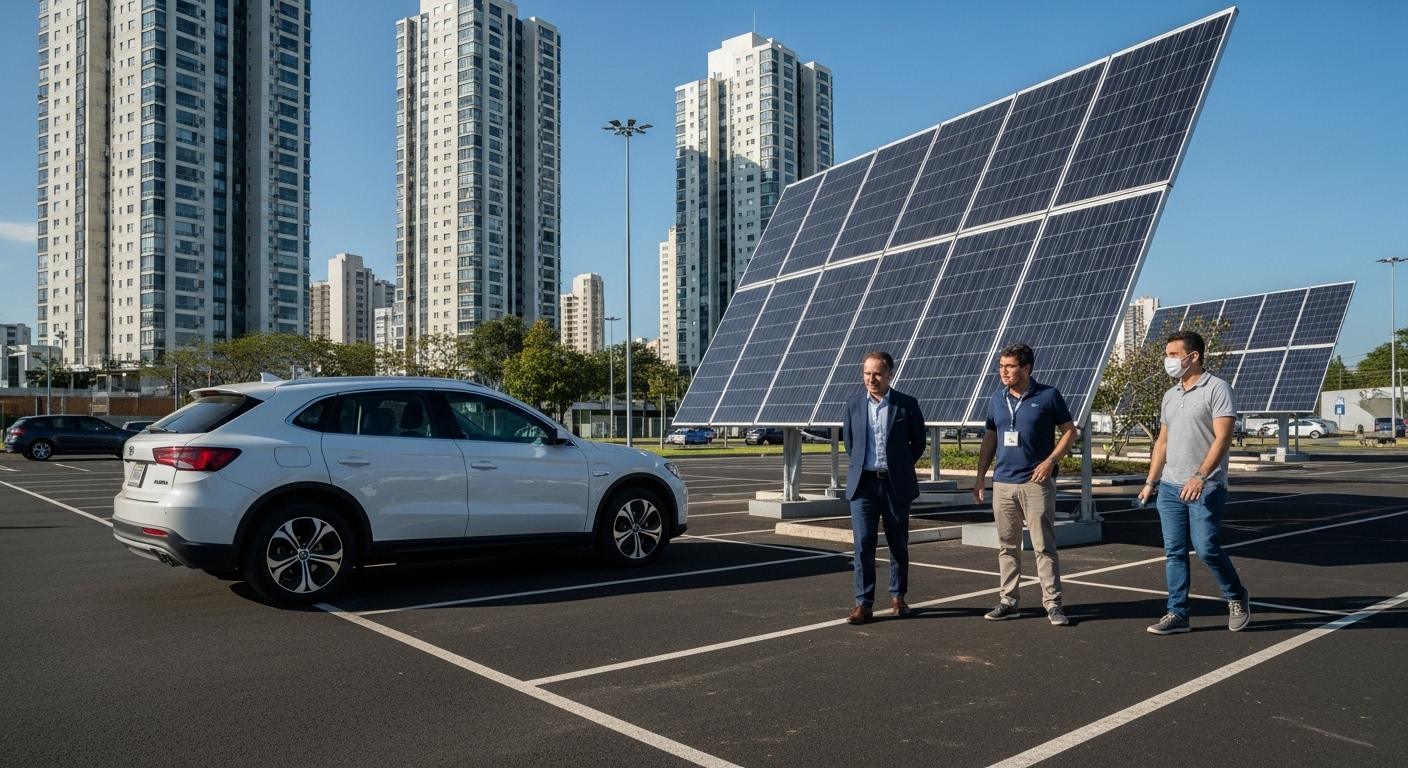
The eclipse solar event is not merely an astronomic spectacle; it has practical implications for Brazil’s growing fleet of electric vehicles and the charging networks that support them. Large-scale solar power remains a key component of the country’s energy mix, while EV adoption accelerates in both urban corridors and distant municipalities. This piece examines what is known, what remains uncertain, and how readers—whether you drive an EV or manage a charging hub—can interpret the eclipse through a practical lens rather than sensational headlines.
What We Know So Far
Confirmed aspects center on the fundamental physics of solar energy. During an eclipse solar event, solar photovoltaic (PV) output dips in the affected regions as sunlight is temporarily blocked. This phenomenon has been observed in many eclipse events globally and is well understood within energy forecasting and grid-management communities. In Brazil, where solar adds depth to the energy mix and numerous charging points rely on daytime sun, an eclipse can create a transient window of reduced solar generation that operators will need to balance with other resources.
Beyond the science, an eclipse also emphasizes the operational reality of charging infrastructure. EV charging demand tends to track both driver behavior and available generation. In practical terms, a forecast showing temporary solar shortfall during peak charging hours may encourage utilities and operators to activate demand-side measures or reroute charging loads to times when solar output and wind resources align with demand.
Additionally, the eclipse event provides a real-world stress test for distributed solar plus storage setups. For households and fleets equipped with home PV and battery storage, the event can highlight the value of storage to smooth daytime variations, ensuring that critical loads—like overnight or rapid-charging windows for fleets—remain uninterrupted.
In terms of governance and market signals, the growing emphasis on solar and EVs in Brazil’s policy conversations means planners are increasingly mindful of short-term solar variability. While no sweeping policy change is tied to any single eclipse, the event reinforces the value of forecast-driven charging strategies and resilience planning for electricity systems that are increasingly dependent on clean generation.
What Is Not Confirmed Yet
- [Unconfirmed] The precise magnitude of solar shortfall in specific Brazilian regions during an upcoming eclipse is not yet confirmed for that date. Forecasts can vary by geography, cloud cover, and PV penetration in each locality.
- [Unconfirmed] Any formal, nationwide operational policy tied specifically to eclipse events has not been announced. Localized adjustments, if any, would depend on grid conditions and utility decision-making at the time.
- [Unconfirmed] Reported impacts on EV charging behavior during such events remain speculative until telemetry from charging networks is aggregated and analyzed post-event.
- [Unconfirmed] The availability and integration of energy storage solutions for smoothing eclipse-related dips are not guaranteed across all market segments; adoption varies by region and capital availability.
For readers following the eclipse, it is important to distinguish confirmed physics from operational guesses. The core physical effect—temporary solar output reduction—stands as a fact; the precise, localized consequences for Brazil’s grid and charging behavior require real-time data once the event unfolds.
Why Readers Can Trust This Update
This analysis is rooted in cross-disciplinary understanding: energy forecasting, solar generation dynamics, and EV charging behavior. We synthesize established solar physics with observed patterns from past eclipses and current market structures in Brazil. Our reporting draws on open-source eclipse literature and industry discussions to frame practical implications for EV owners and grid operators without sensationalism.
We also acknowledge the limits of what is known in advance. As with any event influenced by meteorology and human infrastructure, real-world data after the eclipse will set the record straight. Our team commits to updating readers with verified figures, operator notes, and policy developments as they become available.
Actionable Takeaways
- For EV owners: plan charging around forecasted solar availability. If your region expects a dip in solar output, consider charging during periods of peak sun or using smart charging to shift loads when the grid has more flexibility.
- For fleet operators: coordinate with local utilities or charging providers to stagger midday charging or deploy energy storage where possible to maintain uptime and minimize peak strain.
- For solar-plus-storage projects: evaluate short-term storage solutions that can bridge eclipse-induced gaps, improving reliability during the event and increasing resilience for day-to-day operation.
- For policymakers and regulators: view eclipse-driven variability as a real-time case study in forecasting accuracy, demand response readiness, and the value of flexible charging incentives for EVs.
Source Context
Context on eclipses and related phenomena informs the framework of this analysis. Readers may consult broader eclipse coverage to appreciate the patterns that inform grid and charging considerations during such events:
- The Harvard Crimson coverage of a total lunar eclipse
- The California Aggie: The cosmic coincidence of eclipses
- MSN: Will Proba-3 phone home? European solar-eclipse satellite goes dark
For ongoing coverage and to explore further perspectives on eclipse phenomena, readers can follow these sources as background references. Updated context will be provided as new data emerges.
Last updated: 2026-03-09 15:12 Asia/Taipei