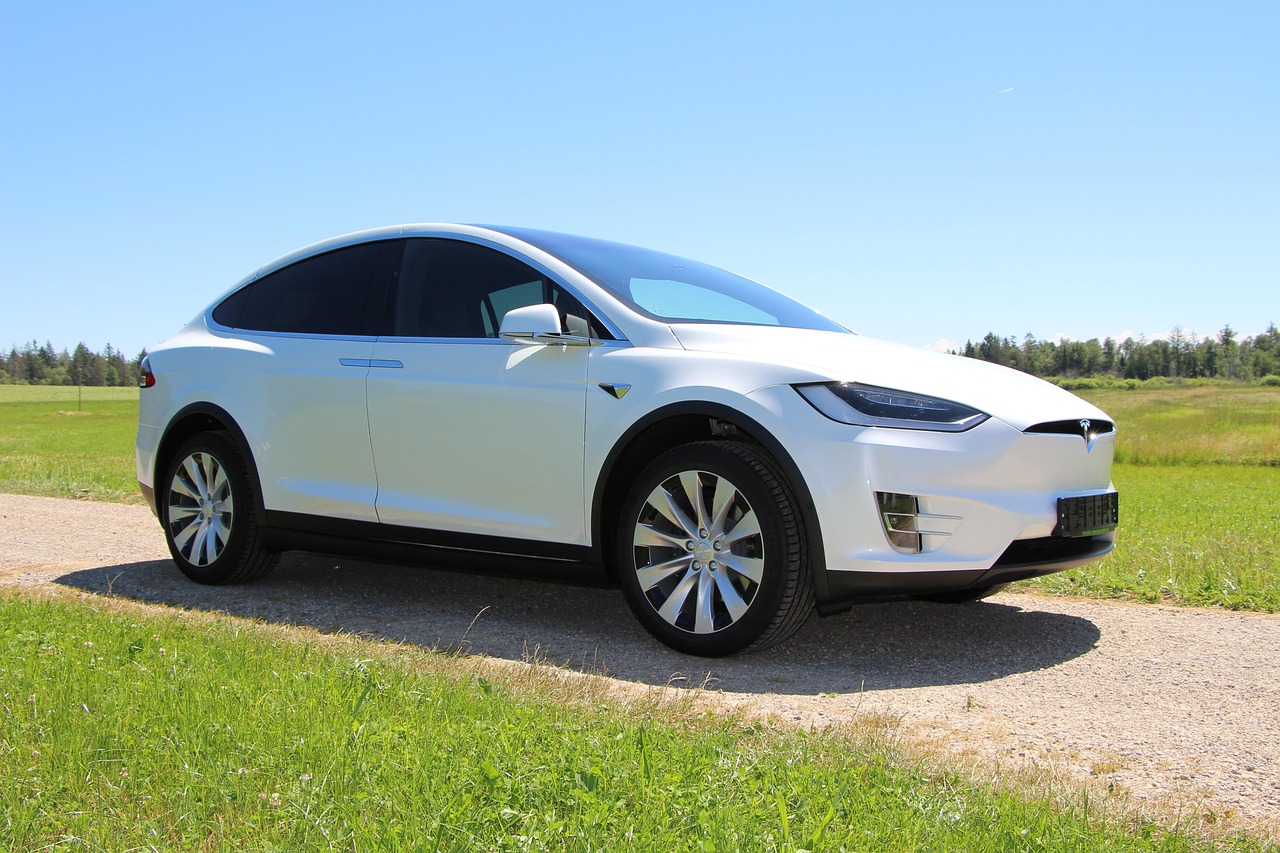
From Brussels to Brasília, the electric-vehicle shift is no longer a distant policy debate but a live, cross-continental exchange of investment, standards, and supply chains. For readers of carro-eletrico.cc, the phrase europe Electric Vehicles Brazil signals a growing recognition that Europe’s push to electrify road transport will hinge as much on Brazil’s factories, metals, and recyclers as on European battery plants or charging networks. This cross-pollination is changing how policymakers frame risk, how firms price risk, and how consumers experience the transition across two very different energy environments. The following analysis traces the causal links, tensions, and scenarios that emerge when a continent seeking decarbonization coordinates with a country expanding its industrial footprint amid a mixed-energy grid and evolving tax policy.
Global EV momentum and Europe-Brazil links
Across Europe, policymakers and automakers increasingly view electrification as an economic strategy as much as an environmental obligation. Substantial subsidies, regulatory clarity, and a rapid ramp in public charging networks are driving consumer adoption and industry shifting. Yet the supply lines that feed European demand—lithium, nickel, copper, and crucially, finished batteries and their components—extend far beyond the continent’s borders. Brazil, with its diversified metals sector, steel and aluminum production, and an expanding automotive components ecosystem, is positioned to become more than a regional partner. When European manufacturers seek to diversify risk, Brazil offers a landing pad for regional assembly, component supply, and, crucially, recycling streams that can close the loop on material use. This dynamic is not simply bilateral; it reflects a broader reordering of global EV value chains as currency, energy costs, and policy incentives converge.
In practical terms, European automakers are pushing for proximity to low-cost, stable manufacturing bases while Brazil pursues higher value-added production, localization, and export opportunities to European markets. The interaction is not purely transactional. It involves shared standards for charging interoperability, battery safety, and end-of-life management—areas where European expertise could accelerate Brazilian capabilities, and vice versa in areas like solar-hybrid microgrids and municipal fleets. The net effect is a narrowing of distance between two regions that historically traded mostly in steel, coffee, and agricultural products but now converge on software-driven, energy-lean mobility solutions.
Brazil’s role in the European EV supply chain
Brazil brings a set of competencies that European buyers and battery supply chains increasingly prioritize: robust manufacturing ecosystems for steel, aluminum, and auto components; growing capacity in metal recycling; and an incremental but expanding footprint in automotive assembly and parts production. While Europe imports large quantities of critical minerals from other regions, Brazil’s industrial clusters are evolving toward value-added production that can shorten lead times and reduce exposure to currency fluctuations. The potential is not limited to new-vehicle manufacturing; a mature recycling and material recovery sector could complement European battery supply chains by diverting end-of-life components into second-life applications or feedstock for new cells. A practical example from industry reporting points to specialized facilities capable of processing end-of-life vehicles and scrap metal at scale—an area where Brazilian policy, capital, and technical know-how could intersect with European recycling standards to extend material lifecycles and lower total ownership costs for EVs.
In energy terms, partnerships around decarbonization projects—such as joint ventures in sustainable aviation fuel (SAF) and green-energy integration—illustrate how cross-sector collaboration can amplify the EV story. A Brazilian SAF initiative involving major technology and energy players signals a broader alignment between transport electrification and cleaner energy supply. For Europe, Brazil offers not just a downstream market but a potential upstream partner in material processing, casting, and steel supply that can reduce import exposure while boosting regional resilience. For Brazil, that translates into job creation, technical upskilling, and a stepping stone to deeper integration with European automakers seeking diverse supplier networks.
Policy, pricing, and the real cost of transition
The cost of shifting to electric mobility hinges on more than sticker prices and subsidies. It depends on the interplay of energy prices, grid capacity, charging accessibility, and industrial policy that rewards domestic capabilities. Europe’s price signals—carrots for EV adoption and strings attached to ICE-era subsidies—shape consumer demand, but the real price also reflects how quickly a country can mobilize batteries, semiconductors, and the skilled labor needed to assemble, integrate, and repair complex systems. In Brazil, electricity costs and the share of renewables affect the operating economics of EVs differently than in parts of Europe. When combined with a dynamic vehicle tax regime, import duties, and local content requirements, the total cost of ownership for Brazilian consumers can diverge markedly from European experiences. Still, policy designs that link incentives to domestic value-add, vehicle-to-grid (V2G) readiness, and robust charging networks can help both regions realize faster depreciation of capital, higher utilization of deployed assets, and longer vehicle life cycles—key considerations for a continent-wide transition that remains uneven in execution across urban and rural landscapes.
Beyond households, the cost calculus extends to fleets, logistics hubs, and municipal services. A cross-Atlantic approach—where European fleets coordinate with Brazilian manufacturers and recyclers—could accelerate the scale of anticipated benefits, especially for procurement of second-life batteries, recycled metals, and locally built EV components. The scenario is not deterministic. It depends on policy synchronization, currency stability, and the ability of both markets to attract the capital necessary for large-scale grid, charging, and recycling infrastructure. In that sense, europe Electric Vehicles Brazil becomes a test case for inter-regional policy alignment and private-sector risk-sharing that could reorder supply chains in ways that are both economically prudent and environmentally ambitious.
Industrial momentum, recycling, and the circular economy
Industrial momentum in Brazil—driven by metalworking, automotive parts, and a growing recycling footprint—meets Europe’s demand for responsible supply chains and high-standards manufacturing. The recycling angle is especially telling: it speaks to a circular economy where post-consumer and post-industrial materials loop back into manufacturing, reducing extraction pressure on scarce minerals and lowering lifecycle emissions. A recent report on Brazilian manufacturing notes a compact yet potent facility capable of shredding hundreds of cars per year, hinting at the scale needed to supply steel mills and downstream metal-processing operations. While such facilities face challenges—from regulatory barriers to capital intensity—their strategic value is clear: they support a resilient, low-emission supply chain that can adapt to demand shocks and evolving regulatory regimes in Europe and Brazil alike. And as Brazil pursues larger metal and component workflows, the integration with European standards on material safety, traceability, and environmental performance will help unlock access to capital and export markets that reward responsible, high-quality production.
In the energy and industrial-policy space, collaborations around SAF and other green technologies illustrate how cross- sector partnerships can augment EV adoption with complementary decarbonization efforts. European demand for clean, low-carbon materials and processes aligns with Brazilian capacity to deliver on those promises, potentially creating a virtuous cycle of investment, job creation, and technological transfer that benefits both sides of the Atlantic.
Actionable Takeaways
- Harmonize charging standards and interoperability to reduce friction for consumers and fleets across Europe and Brazil.
- Invest in domestic battery recycling and metal refining to shorten supply chains and lower lifecycle costs.
- Foster joint R&D and manufacturing partnerships that connect European battery, software, and grid-automation expertise with Brazilian metalwork and assembly capacity.
- Expand strategic charging infrastructure along major corridors and urban centers to accelerate fleet adoption and consumer confidence.
- Align fiscal incentives with local content and sustainable practices to boost total cost of ownership parity between markets.