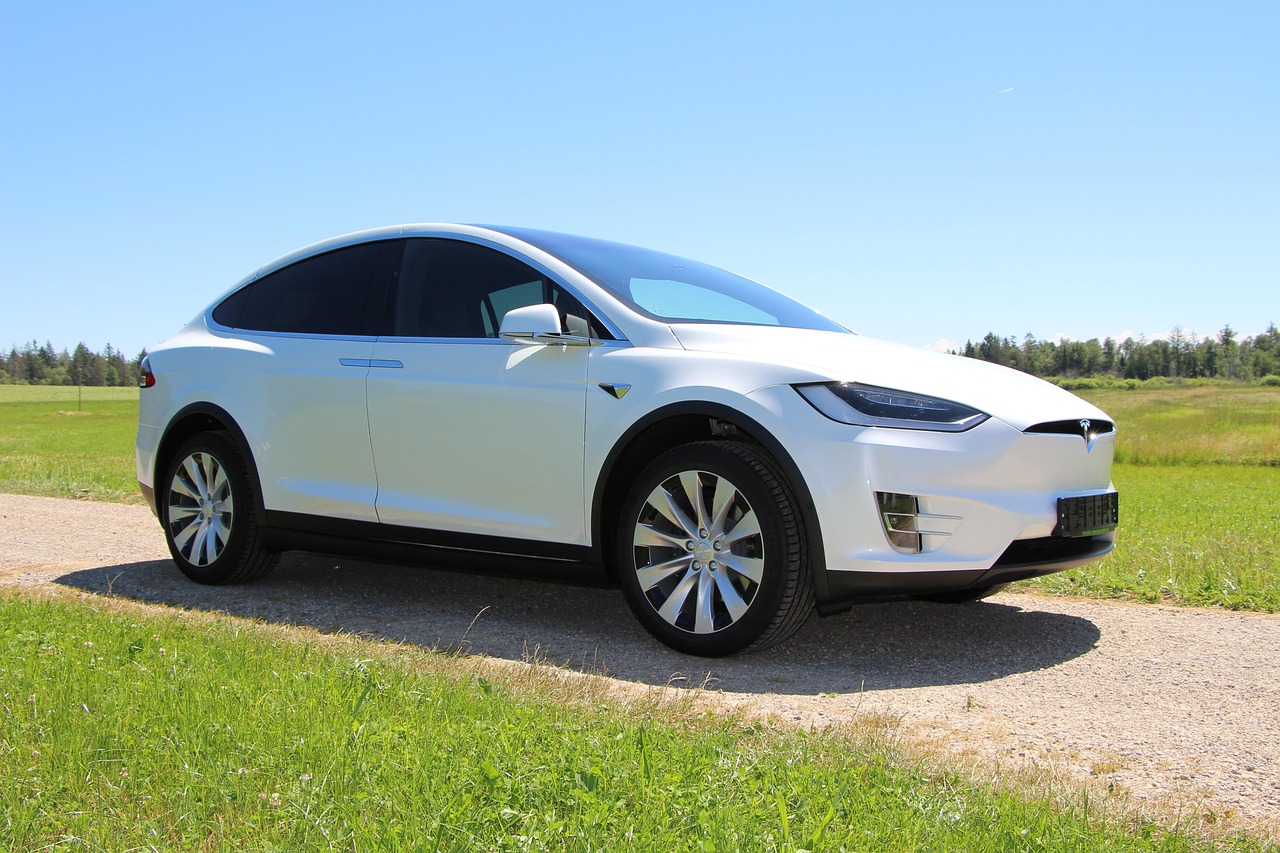
The phrase europe Electric Vehicles Brazil sits at the center of a nuanced discussion about how continental trends shape local reality. As Europe presses ahead with aggressive electrification mandates, Brazilian policymakers and industry players confront a parallel but distinct set of challenges and opportunities. This analysis examines how the EU’s momentum in electric mobility interacts with Brazil’s domestic market, supply chains, and consumer behavior, and what it might mean for the region’s EV future.
Policy, Production, and the Brazil-EU Corridor
European policy is accelerating demand for high-performance batteries, critical minerals, and charging infrastructure. The European Union has signaled that decarbonization will hinge on reliable access to minerals such as nickel, cobalt, and lithium, as well as a robust recycling ecosystem. Brazil, endowed with its own mining and steel industries and a growing bioenergy sector, could become a strategic partner in a multipath corridor tying Europe to South American manufacturing and logistics.
Beyond raw materials, Europe’s push for cleaner energy systems creates spillover effects into the automotive ecosystem. European automakers are exploring local partnerships, joint ventures, and supplier networks that could speed Brazil’s access to advanced EV components. At the same time, Brazilian industry faces the challenge of aligning with European standards for safety, homologation, and lifecycle management. A notable example of cross-linkage is energy-transition collaboration in Brazil’s refining and fuels sector, where SAF (sustainable aviation fuel) projects illustrate how integrated energy platforms can support widespread electrification indirectly through cleaner energy inputs and recycled materials.
Market Realities: Consumers, Charging, and Local Industry
Brazil’s EV momentum unfolds against a backdrop of affordability, charging access, and grid capacity. While Europe’s EVs are increasingly entering mainstream wallets, Brazilian buyers must contend with higher upfront costs, financing gaps, and the practicalities of charging in urban and rural settings. At the same time, the Brazilian industrial base is watching Europe’s fast scale in battery components, power electronics, and recycling technologies as potential partners for local assembly and aftersales networks.
In parallel, Brazil’s own energy mix, incentives, and infrastructure plans will determine how quickly charging networks expand beyond major capitals. If local manufacturers secure stable supply chains and can offer batteries and powertrains at competitive prices, Brazil could accelerate a homegrown EV ecosystem that complements European models rather than merely importing them. The result could be a hybrid market where European platform technologies meet Brazilian customization for climate, terrain, and consumer behavior.
Strategy Scenarios for Brazil’s EV Path
Three plausible trajectories illustrate how europe Electric Vehicles Brazil dynamics might unfold over the medium term. First, a high-collaboration scenario, in which European automakers, Brazilian suppliers, and local policy align to subsidize domestic assembly, charging infra, and recycling. This path emphasizes upskilling, local content, and cross-border investment in battery packs, with EU standards acting as a global benchmark for quality and safety.
Second, a diversification scenario, where Brazil develops its own competitive EV offerings tailored to regional needs while importing platform tech under licensing or lightweight joint ventures. This route could see Brazilian firms expanding into mid-range EVs with simplified powertrains, supported by targeted incentives and public-private partnerships to expand charging and grid readiness. European influence still matters, but the emphasis shifts toward cost discipline and local adaptation.
Third, a cautious wait-and-see scenario, in which inertia in charging infrastructure and policy volatility slows adoption, pushing Europe’s lessons into the background while the domestic market leans on hybrids and conventional vehicles longer. In this case, the impact of europe Electric Vehicles Brazil is felt more through indirect channels—regulatory signaling, shared standards, and eventual market integration once critical mass is achieved.
Actionable Takeaways
- Policymakers should design stable, transparent incentives that encourage local EV assembly, battery recycling, and charging infrastructure while aligning with European safety and environmental standards.
- Automakers and suppliers ought to pursue strategic partnerships with Brazilian firms to build regional supply chains, focus on affordable EVs for broad segments, and invest in aftersales networks for lifespan reliability.
- Utilities and regulators need to accelerate grid upgrades and smart-charging pilots to handle growing EV load, ensuring reliability as adoption scales across cities and rural areas.
- Consumers benefit from clear financing options and test-drive programs that demystify EV ownership, coupled with transparent total-cost-of-ownership comparisons against internal combustion engines.
- Industry players should monitor Europe’s evolving standards for battery recycling and end-of-life management, integrating circular economy approaches into product design from the outset.
Source Context
For context and ongoing reporting, the following sources provide useful signals about Europe’s EV trajectory and Brazil’s energy-transition initiatives:
- InsideEVs: Europe’s January EV Sales Surge Leaves The U.S. In The Rearview Mirror — coverage of Europe’s early-year EV momentum and its market implications.
- Topsoe, Petrobras sign deal for major SAF project in Brazil — highlights cross-sector energy collaboration that intersects with EV supply chains.
- Industrial capacity expansion in Brazil for automotive shredding and steel supply — reflects material and recycling dynamics relevant to EV lifecycle in the region.