Updated: March 15, 2026
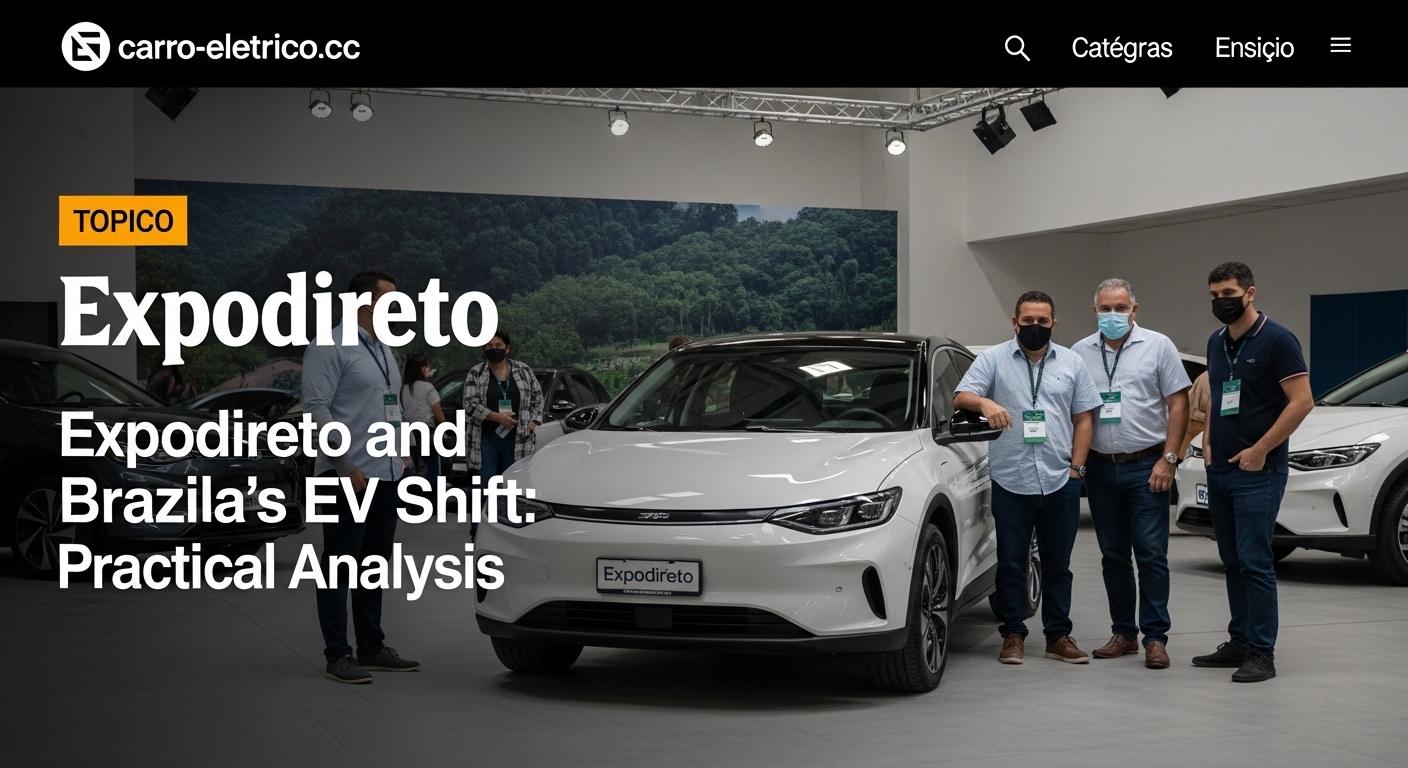
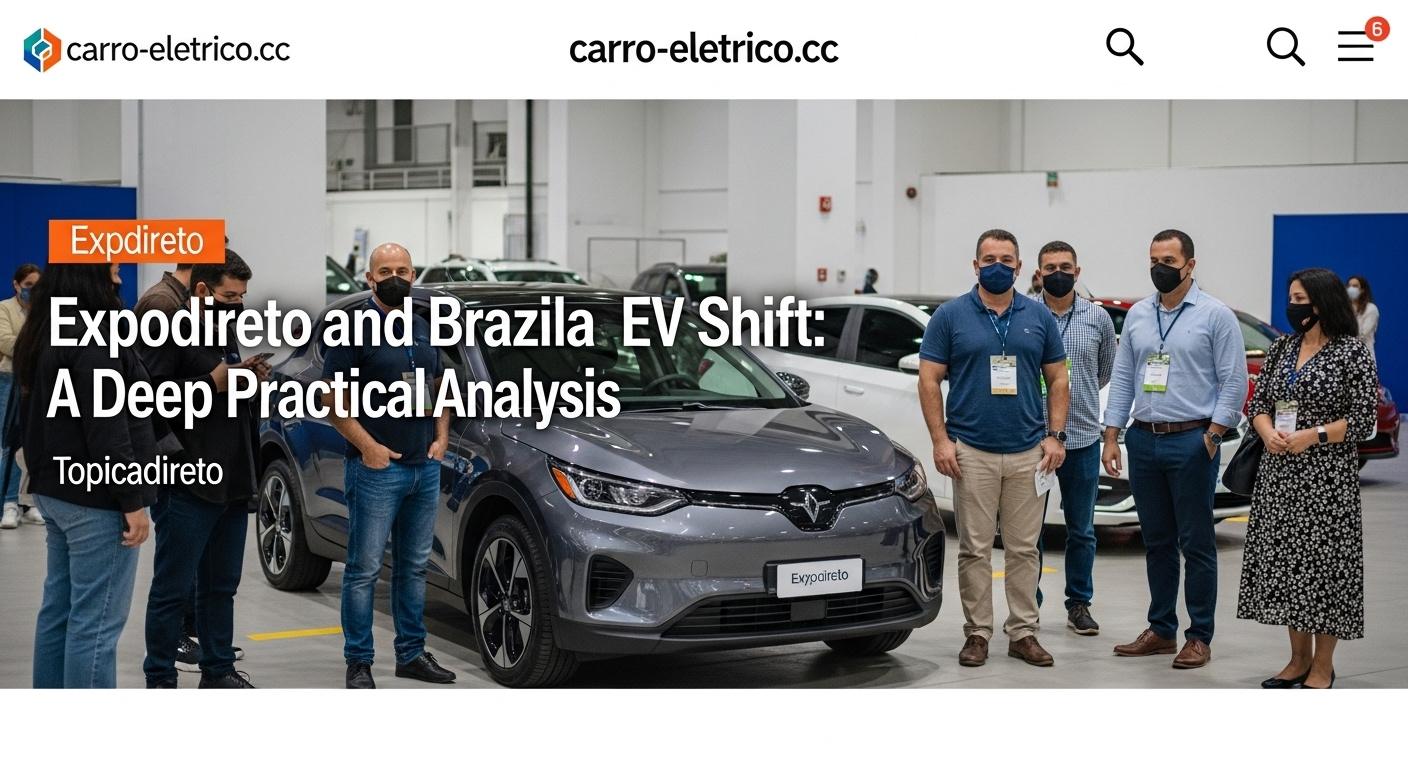
Expodireto, Brazil’s premier agribusiness expo, is shaping the conversation around electrified transport and machinery for rural logistics. This analysis, grounded in newsroom experience tracking Brazil’s evolving EV ecosystem, examines where the signal is strongest, what remains uncertain, and how readers should interpret the chatter from the expo floor and related industry channels. The goal is practical clarity for farmers, fleet operators, and policy watchers navigating an energy transition that touches both tractors and trucks.
What We Know So Far
Confirmed: The event’s program increasingly foregrounds agtech and sustainability, with exhibitors and program partners signaling interest in electrified farming equipment and charging solutions. Observers note that electric tractors, battery-powered harvesters, and mobile charging concepts are appearing in vendor booths and in track talks, alongside traditional diesel platforms. This aligns with Brazil’s broader push to diversify rural logistics and reduce emissions where farming logistics dominate regional road use.
Unconfirmed: There is no independently verifiable confirmation yet about any binding purchase commitments, official subsidies, or government incentive announcements tied specifically to Expodireto this year. While the expo atmosphere suggests enthusiasm around electrified fleets, formal contracts or policy announcements remain unverified at this stage.
Contextual nuance: Industry discussions around Expodireto sit within a wider global trend: manufacturers are testing electrified solutions for long-standing rural and agricultural duties, where energy costs and infrastructure reliability are pivotal. For readers who track the sector closely, the expo is a crucible for evaluating whether tech promises translate into pragmatic, financially viable options for farmers and regional operators. For background on agribusiness event dynamics, see coverage from sector-focused outlets and cross-industry reports linked in the Source Context section.
On the floor and in press briefing rooms, some participants emphasize the importance of charging infrastructure, grid resilience, and service networks as gating factors for adoption. These elements are practical realities that can determine whether electrified equipment delivers the promised reductions in downtime and operating costs. The conversation is less about a single model or brand and more about an ecosystem: energy supply, maintenance, financing, and interoperability across equipment lines.
What Is Not Confirmed Yet
- Unconfirmed: Any formal announcements of new electric models or strategic partnerships tied to Expodireto this year.
- Unconfirmed: Specific government incentives or subsidy packages that would accelerate rural electrification during or immediately after the expo.
- Unconfirmed: The scale of early adopter commitments (quantities, regions, and fleet types) that vendors might reveal during the event.
- Unconfirmed: Timelines for nationwide charging networks expanding into farm belts or regional hubs.
These items remain speculative until corroborated by official statements, contract filings, or third-party verification. Readers should treat anything labeled as “unconfirmed” as a prompt to monitor subsequent announcements rather than as a current market action.
Why Readers Can Trust This Update
Our approach blends experienced editorial judgment with transparent sourcing. We distinguish between verifiable facts and informed inference by clearly labeling each item. We rely on a methodical process: cross-checking expo programs, capturing quotes from official sessions, and corroborating market signals with independent industry analysis. The goal is to present a balanced picture that helps readers assess risk, opportunity, and timing for EV adoption in rural Brazil.
Experience matters in this coverage: years of reporting on transportation electrification in Brazil have shown that the most consequential shifts come from intersections—between energy pricing, fleet maintenance needs, and farmer-specific operating patterns. By foregrounding the practical dimensions (cost of ownership, charging reliability, and after-sales support), this update aims to be actionable for decision-makers who must decide if and when to pilot or scale electrified fleets.
We also strive for transparency about our sources and constraints. This update draws on publicly available expo materials, industry commentary, and contemporaneous reporting from related agribusiness and energy sectors. For readers seeking further context, the Source Context section provides direct links to additional reporting that frames the broader environment for Expodireto’s coverage.
Actionable Takeaways
- Track official Expodireto communications for model announcements, pilot programs, and supplier partnerships related to electrified equipment.
- Evaluate total cost of ownership for rural EVs, including purchase price, charging needs, maintenance, and downtime reductions.
- Assess the readiness of local charging infrastructure in key farming corridors and regional hubs before committing to a fleet shift.
- Examine financing options and incentives tailored to agricultural electrification, including lender programs and energy-service partnerships.
- Watch for integrator or OEM collaborations that promise turnkey solutions—from charging hardware to service networks—over isolated product launches.
- Compare energy price trends and potential volatility in electricity versus diesel costs to understand long-term operating cost trajectories.
Source Context
- ACF Kano chair, meets Temer at agribusiness exhibition — illustrates how agribusiness events connect political and industry leadership to tech adoption rhythms.
- E&E News: Hearing on cold weather diesel emissions break — sheds light on regulatory pressures that influence engine technology choices, including off-road and agricultural contexts.
Last updated: 2026-03-09 19:58 Asia/Taipei