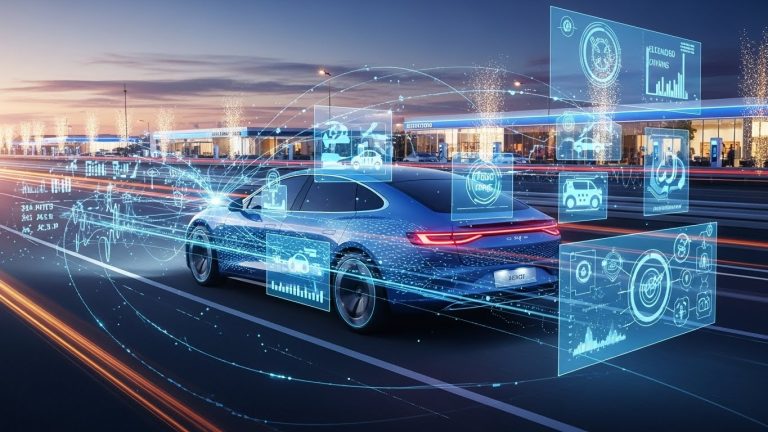

A Deep Dive into the World of Electric Vehicle Charging Infrastructure: Current State and Future Prospects
As electric vehicles (EVs) continue to gain popularity, the demand for efficient and widespread charging infrastructure becomes increasingly critical. The shift from gasoline to electric is not just a change in vehicle technology but also a transformation in how we fuel our transportation systems. In this article, we explore the current state of electric vehicle charging infrastructure, its challenges, and the promising future prospects that lie ahead.
The Current State of EV Charging Infrastructure
In recent years, the EV market has seen substantial growth, with more consumers opting for eco-friendly transportation options. According to the International Energy Agency, global electric car stock surpassed 10 million in 2020, marking a 43% increase from the previous year. However, the expansion of EV infrastructure has not kept pace with this rapid growth, creating a pressing need for more charging stations.
Types of EV Charging Stations
There are primarily three types of EV charging stations: Level 1, Level 2, and DC Fast Charging.
- Level 1 Charging: This is the most basic form of EV charging, using a standard 120-volt household outlet. It is suitable for overnight charging at home but can take up to 20 hours to fully charge a vehicle.
- Level 2 Charging: This involves a 240-volt outlet, similar to what is used for home appliances like dryers. Level 2 chargers are common in public spaces and can recharge an EV in 4-8 hours.
- DC Fast Charging: Known for its rapid charge time, DC fast chargers can replenish an EV battery in under an hour. These stations are strategically placed along highways and in urban areas to support long-distance travel.

Current Challenges in EV Charging Infrastructure
Despite the advancements in charging technology, several challenges remain:
- Infrastructure Development: The installation of charging stations is costly and requires significant investment in both urban and rural areas. Ensuring equitable access to charging facilities across diverse regions is a major hurdle.
- Grid Capacity: The increased demand for electricity can put a strain on the existing power grid. Upgrading the grid to handle additional loads without compromising reliability is essential.
- Standardization: The lack of standardized charging connectors and payment systems can create confusion among users. Establishing uniform standards is crucial for seamless integration.
Future Prospects of EV Charging Infrastructure
The future of EV charging infrastructure is promising, with numerous innovations and policy measures underway to address current challenges. The following sections detail the potential advancements that could revolutionize the landscape.
Wireless Charging
Wireless charging technology is an emerging trend that aims to simplify the charging process. This technology allows EVs to charge automatically when parked over a charging pad. It eliminates the need for physical connectors and could significantly enhance the convenience of charging. Research and pilot projects, such as those conducted by Qualcomm, are paving the way for widespread adoption in the coming years.
Ultra-Fast Charging Networks

To reduce charging time and enhance the practicality of EVs for long-distance travel, ultra-fast charging networks are being developed. These networks aim to provide charging speeds exceeding 350 kW, potentially reducing charge times to just 20 minutes. Companies like Tesla and Electrify America are already pioneering such networks, making long trips more feasible for EV owners.
Integration with Renewable Energy
Integrating EV charging infrastructure with renewable energy sources is another promising prospect. Solar-powered charging stations and battery storage systems can reduce reliance on the grid and promote sustainable energy consumption. Such integrations not only provide a green energy solution but also help stabilize the grid by storing excess energy for later use.
Government Policies and Incentives
Governments worldwide are implementing policies to accelerate the deployment of EV charging infrastructure. Incentives such as tax credits, grants, and subsidies for installing charging stations are driving growth. The U.S. Department of Energy, for instance, offers various programs to support the expansion of EV charging networks.
Takeaways
The world of electric vehicle charging infrastructure is rapidly evolving, with significant strides being made to meet the growing demands of EV users. While challenges such as infrastructure development, grid capacity, and standardization persist, the future is bright with innovations like wireless charging, ultra-fast networks, and integration with renewable energy sources on the horizon. Supportive government policies further bolster these advancements, ensuring that the EV ecosystem can thrive sustainably.

As we transition towards a more sustainable future, the development of robust charging infrastructure is paramount. Continued investments and collaboration among stakeholders will be key to overcoming existing barriers and unlocking the full potential of electric mobility. The journey may be long, but the destination promises a cleaner, greener world powered by renewable energy and efficient transportation systems.
The Role of Private Sector in Charging Infrastructure
The private sector plays a crucial role in the expansion and innovation of EV charging infrastructure. Companies in the automotive and energy industries are increasingly investing in developing comprehensive charging networks. Their involvement is pivotal in scaling up the infrastructure to meet the burgeoning demand.
Automakers’ Initiatives
Leading automakers are not only producing electric vehicles but are also investing heavily in creating proprietary charging networks. For example, BMW and other car manufacturers have partnered with charging network providers to offer extensive charging options tailored to their vehicles. These initiatives ensure that their customers have access to reliable and fast charging services, enhancing the overall EV ownership experience.
Energy Companies’ Contributions
Energy companies are also stepping into the EV charging arena by providing the necessary infrastructure and expertise to support the growth of electric transportation. By leveraging their existing energy distribution networks, these companies can offer efficient and widespread charging solutions. Their involvement is critical in bridging the gap between energy supply and EV demand, ensuring that the transition to electric mobility is seamless and effective.
Charging Infrastructure and Urban Planning
As cities continue to grow and evolve, integrating EV charging infrastructure into urban planning becomes increasingly important. Urban planners and policymakers must consider the strategic placement of charging stations to maximize accessibility and minimize congestion.

Smart City Initiatives
Many cities are adopting smart city initiatives that incorporate EV charging infrastructure as a key component. By using data-driven approaches, cities can optimize the placement of charging stations, ensuring they are located in high-demand areas. These initiatives often involve collaborations between city governments, technology providers, and community stakeholders to create sustainable urban environments that support electric mobility.
Public-Private Partnerships
Public-private partnerships (PPPs) are emerging as effective strategies to fund and deploy EV charging infrastructure in urban areas. These partnerships leverage the strengths of both sectors, combining public oversight and private innovation. By working together, cities can expand their charging networks more efficiently and cost-effectively, providing essential services to residents and visitors alike.
The Impact of EV Charging on the Environment
The expansion of EV charging infrastructure has significant environmental benefits, contributing to the reduction of greenhouse gas emissions and the promotion of cleaner air quality.
Reduced Carbon Footprint
Electric vehicles produce zero tailpipe emissions, which significantly reduces the carbon footprint of transportation. As more vehicles transition from gasoline to electric, the cumulative reduction in emissions can have a profound impact on climate change mitigation efforts. Additionally, when paired with renewable energy sources, EV charging can further enhance environmental sustainability.
Improved Air Quality
By reducing reliance on fossil fuels, EVs contribute to improved air quality, particularly in urban areas where vehicle emissions are a major source of pollution. Cleaner air leads to better public health outcomes, reducing respiratory and cardiovascular diseases linked to poor air quality. The widespread adoption of EVs, supported by robust charging infrastructure, is a vital step towards healthier, more livable cities.

Challenges and Opportunities Ahead
While the prospects for EV charging infrastructure are promising, challenges remain that require innovative solutions and strategic planning.
Technological Advancements
Continued advancements in battery technology and charging methods are essential to overcoming current limitations. Research and development efforts are focused on increasing battery capacity, reducing charging times, and enhancing the overall efficiency of charging systems. These advancements will play a crucial role in making electric mobility more accessible and convenient for consumers.
Scalability and Adaptability
The scalability of charging infrastructure is critical to supporting the growing number of EVs on the road. Infrastructure must be adaptable to accommodate future technological developments and changes in consumer behavior. This requires flexible design and implementation strategies that can evolve alongside the rapidly changing landscape of electric transportation.
Conclusion: Driving Towards a Sustainable Future
The evolution of electric vehicle charging infrastructure is a pivotal component of the transition to a sustainable transportation ecosystem. As stakeholders from the public and private sectors collaborate to address existing challenges, the future of electric mobility looks promising. The integration of innovative technologies, strategic urban planning, and supportive policies will pave the way for a cleaner, more efficient transportation system.
The journey towards widespread electric vehicle adoption is a collective effort, requiring the engagement and commitment of governments, businesses, and consumers alike. By working together, we can ensure that the benefits of electric mobility are realized, driving us towards a future where clean energy and sustainable transportation are the norm rather than the exception.
About the Author