
Behind the Charge: The Key Components of Electric Car Technology Explained
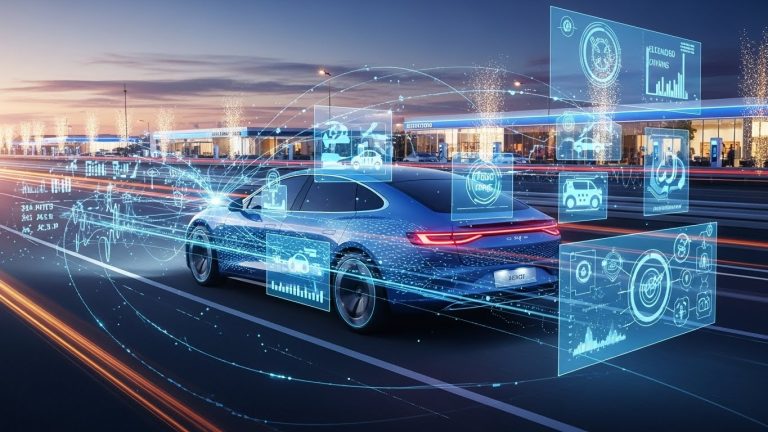
Electric vehicles (EVs) have taken the automotive world by storm, promising a future of sustainable transportation, reduced emissions, and innovative technology. As the global push for cleaner energy sources continues, understanding the core components that power these vehicles is crucial. This article delves into the intricate details of electric car technology, exploring the essential systems and components that make these vehicles not only possible but highly efficient.
The Battery: Heart of the Electric Vehicle
At the core of every electric vehicle lies the battery, which stores the energy necessary to power the car. Typically, EVs use lithium-ion batteries, renowned for their high energy density and durability. These batteries consist of multiple cells, each containing a positive electrode, a negative electrode, and an electrolyte. When the car is in use, chemical reactions within the cells release electrons, creating electricity to drive the vehicle.
The capacity of a battery, measured in kilowatt-hours (kWh), determines how far an EV can travel on a single charge. For instance, the Tesla Model S boasts a battery capacity of up to 100 kWh, allowing it to travel over 370 miles on a single charge. Advances in battery technology continue to enhance the range and efficiency of electric cars, making them more competitive with traditional gasoline-powered vehicles.
Electric Motors: Converting Electrical Energy into Motion
Electric motors are the powerhouse of EVs, converting electrical energy from the battery into mechanical energy to propel the car. These motors are typically either AC (alternating current) or DC (direct current), with AC motors being more common due to their efficiency and power output.

One key advantage of electric motors over internal combustion engines is their ability to deliver instant torque, resulting in rapid acceleration and a smoother driving experience. For example, the Nissan Leaf uses an electric motor to achieve a 0-60 mph time of just 7.4 seconds, demonstrating the impressive performance capabilities of electric vehicles.
Regenerative Braking: Harnessing Energy Efficiency
Regenerative braking is a critical component of electric car technology, allowing vehicles to recover energy typically lost during braking. When the driver applies the brakes, the electric motor reverses its function, acting as a generator to convert kinetic energy back into electrical energy, which is then stored in the battery for future use.
This process not only increases the overall efficiency of the vehicle but also extends the lifespan of the brake pads, reducing maintenance costs. Regenerative braking is a standard feature in most modern EVs, including the popular Toyota Prius, which uses this system to enhance its fuel efficiency and reduce emissions.
Charging Systems: Powering Up Electric Vehicles
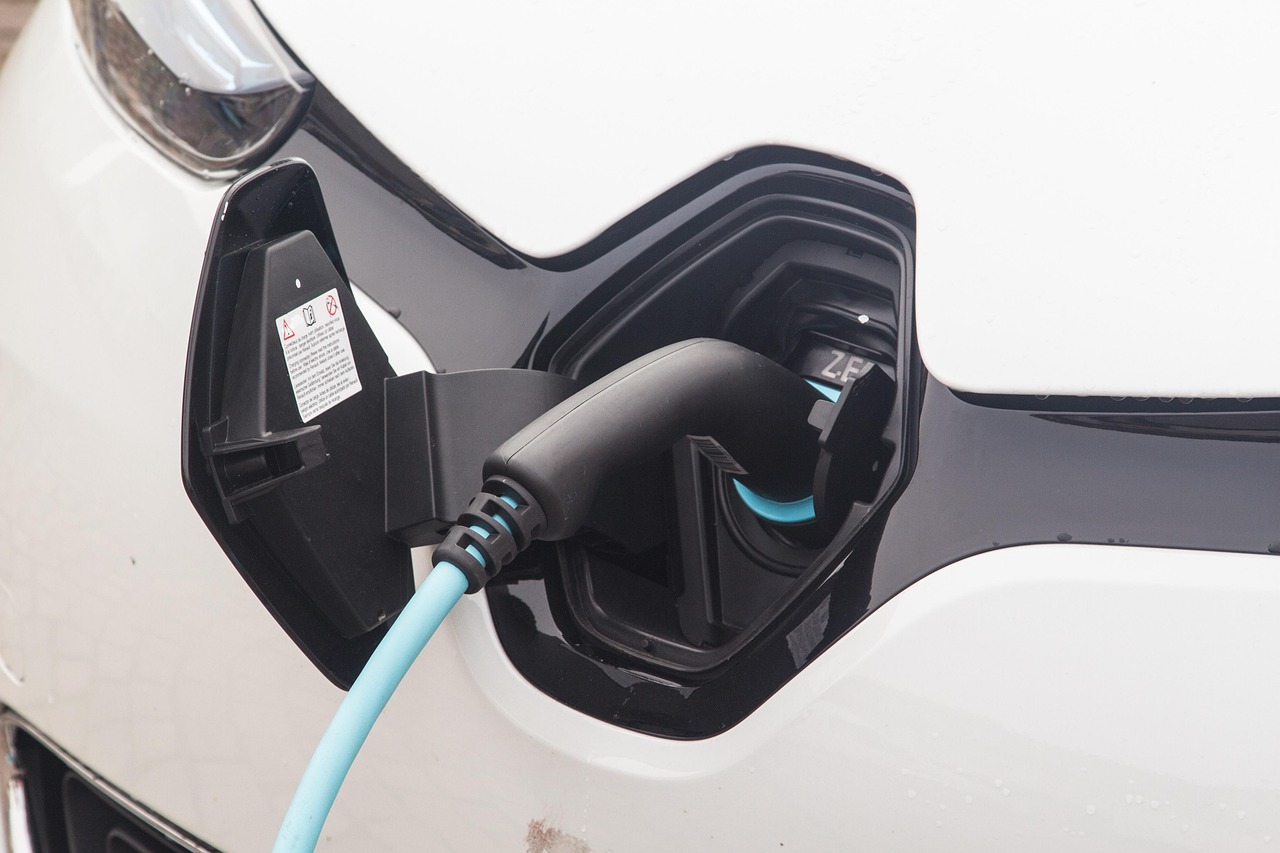
Charging an electric vehicle is a straightforward process, but it requires an understanding of the different charging options available. EV owners can choose from three primary charging levels:
- Level 1 Charging: This is the slowest charging option, using a standard 120-volt household outlet. It provides about 2-5 miles of range per hour of charging, making it suitable for overnight charging at home.
- Level 2 Charging: Utilizing a 240-volt outlet, Level 2 chargers are significantly faster, providing 10-60 miles of range per hour. These chargers are commonly found in public charging stations and can be installed at home for quicker charging.
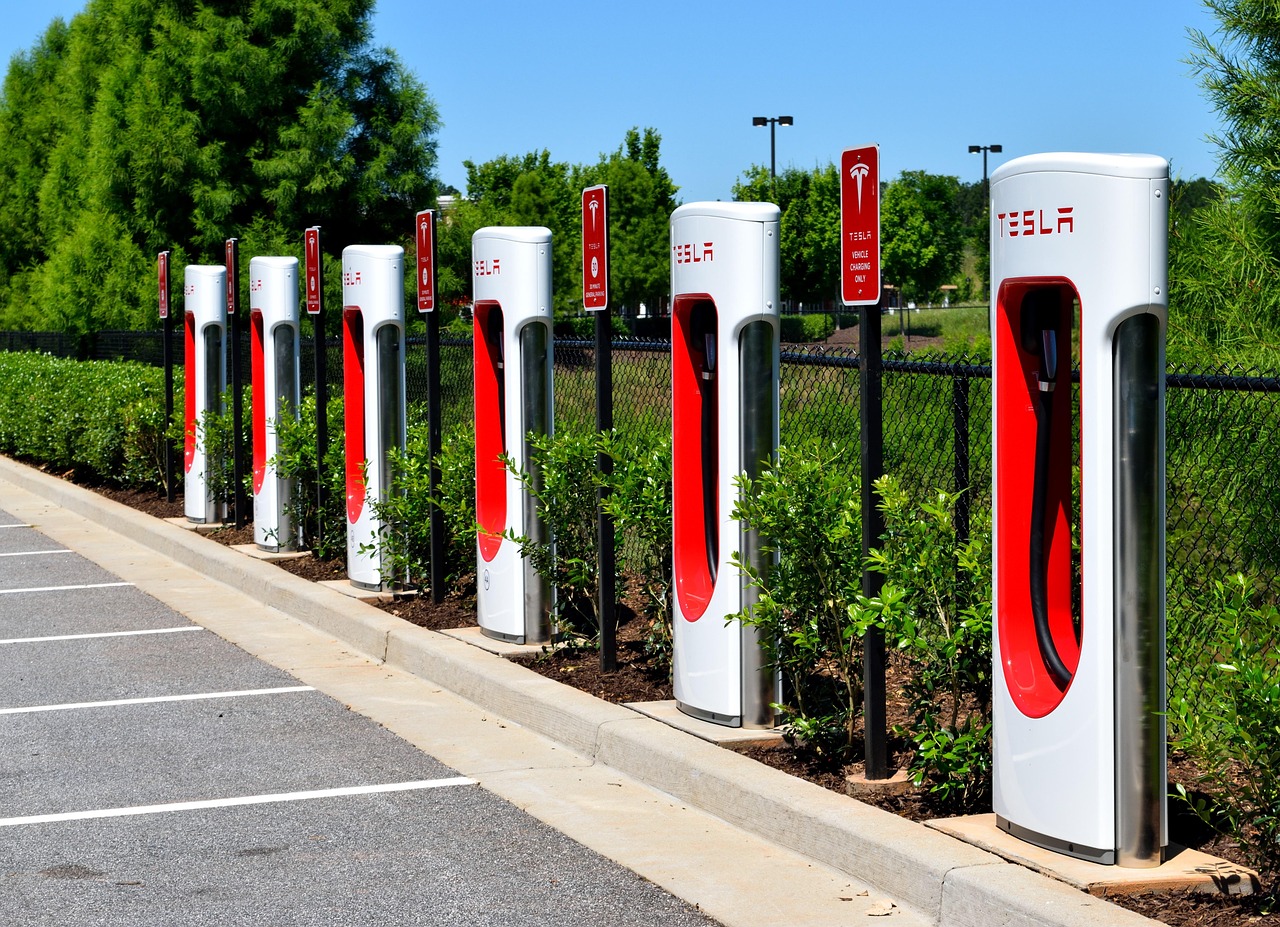
- DC Fast Charging: Designed for rapid charging, DC fast chargers can provide up to 80% of battery capacity in 20-30 minutes. These are often located along highways and in urban areas, allowing for quick top-ups during long trips.

The development of a comprehensive charging infrastructure is crucial for the widespread adoption of electric vehicles. Companies like Electrify America are working to expand public charging networks, making it easier for drivers to access charging stations nationwide.
Power Electronics: The Brain of the EV
Power electronics are essential in managing the flow of electrical energy within an electric vehicle. These components control the conversion of direct current (DC) from the battery to alternating current (AC) for the motor, as well as manage energy distribution to various systems within the car.
The inverter, a key component of power electronics, plays a crucial role in this conversion process. By adjusting the frequency and amplitude of the power supplied to the electric motor, the inverter allows for precise control over the vehicle’s speed and acceleration. Innovations in power electronics continue to improve the efficiency and performance of electric vehicles, making them more appealing to consumers.
Thermal Management Systems: Keeping Cool Under Pressure
Thermal management is a vital aspect of electric car technology, ensuring that the battery, motor, and other components operate within safe temperature ranges. Excessive heat can reduce the efficiency and lifespan of these components, making effective thermal management systems essential.

Most EVs use liquid cooling systems to regulate temperatures, circulating coolant through components to dissipate heat. Advanced thermal management systems can also pre-condition the battery before charging or driving, optimizing performance and extending the vehicle’s range.
Conclusion: The Road Ahead for Electric Vehicles
Electric car technology represents a significant leap forward in the quest for sustainable transportation. As battery technology, charging infrastructure, and power electronics continue to evolve, electric vehicles are becoming more efficient, accessible, and appealing to a broader audience. The future of transportation is undoubtedly electric, and understanding the key components behind these vehicles is essential for anyone interested in the automotive industry’s trajectory.
By embracing these technological advancements, we can look forward to a cleaner, more sustainable future where electric vehicles are the norm rather than the exception. As the industry continues to innovate, the potential for electric cars to revolutionize transportation is limitless, paving the way for a greener tomorrow.
The Environmental Impact: A Cleaner Alternative
One of the most compelling reasons for the shift towards electric vehicles is their potential to significantly reduce greenhouse gas emissions. Unlike traditional vehicles that burn fossil fuels, EVs produce zero tailpipe emissions, making them a cleaner alternative for urban environments plagued by air pollution.
Moreover, the environmental benefits of EVs are further enhanced when the electricity used to charge them comes from renewable sources such as wind, solar, or hydroelectric power. This creates a virtuous cycle of reduced carbon footprint from both vehicle operation and energy production. Organizations like the International Energy Agency are actively monitoring and promoting the integration of renewable energy with electric vehicle infrastructure, ensuring the continued reduction of emissions on a global scale.
Challenges and Innovations: Overcoming Barriers
Despite the numerous advantages, electric vehicles face several challenges that need to be addressed to ensure their widespread adoption. One significant hurdle is the initial cost of EVs, which is often higher than that of conventional vehicles. However, prices are gradually decreasing due to advancements in battery technology and increased manufacturing efficiencies.
Another challenge is the limited range and long charging times compared to the refueling of gasoline vehicles. However, ongoing research and development are focused on creating more efficient batteries with higher capacities and faster charging capabilities. Manufacturers are also exploring innovative battery designs, such as solid-state batteries, which promise to offer greater energy densities and improved safety.
The Role of Government and Policy
Government policies play a crucial role in promoting the adoption of electric vehicles. Incentives such as tax credits, rebates, and subsidies help offset the initial cost of purchasing an EV, making them more accessible to consumers. Additionally, governments are investing in the development of charging infrastructure, ensuring that drivers have convenient access to charging stations.
Regulations aimed at reducing emissions from transportation are also encouraging automakers to accelerate their EV offerings. For instance, the European Union’s stringent CO2 emissions standards have led to an increase in the production and sale of electric vehicles across Europe. These policies are essential in driving the automotive industry towards a more sustainable future.
Consumer Perception and Adoption
As electric vehicles become more mainstream, consumer perception is gradually shifting. Once considered niche products, EVs are now seen as viable alternatives to traditional cars, offering comparable performance, comfort, and features. Automakers are also expanding their electric vehicle lineups to include a variety of models, from compact cars to SUVs, catering to diverse consumer preferences.
Public awareness campaigns and educational initiatives are crucial in dispelling myths and misconceptions about electric vehicles. As consumers become more informed about the benefits and capabilities of EVs, adoption rates are expected to rise, contributing to a more sustainable transportation ecosystem.
The Future of Electric Vehicles
The future of electric vehicles is bright, with rapid advancements in technology and growing consumer interest driving the industry forward. Autonomous driving technology, for instance, is poised to revolutionize the way we interact with vehicles, enhancing safety and efficiency. Many of these autonomous features are being integrated into electric vehicles, creating a synergy between two of the most transformative trends in the automotive industry.
Moreover, the integration of electric vehicles with smart grid technology offers exciting possibilities for energy management. Vehicle-to-grid (V2G) systems allow EVs to act as mobile energy storage units, supplying power back to the grid during peak demand periods. This not only optimizes energy use but also provides additional revenue streams for EV owners.
Conclusion: Embracing an Electric Future
Electric vehicles are at the forefront of a transportation revolution, offering a sustainable, efficient, and technologically advanced alternative to traditional vehicles. As we continue to navigate the challenges and opportunities presented by this shift, it is clear that the future of mobility is electric.
Through continued innovation, supportive policies, and increased consumer awareness, electric vehicles have the potential to significantly reduce our carbon footprint and contribute to a cleaner, more sustainable planet. By embracing electric car technology, we are taking an essential step towards a brighter, more sustainable future for generations to come.
About the Author