Comparing the Latest Electric Car Launches: Performance, Efficiency, and Design
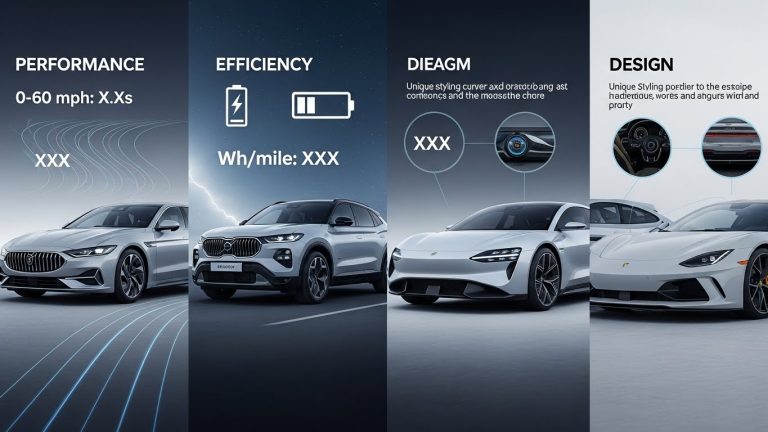
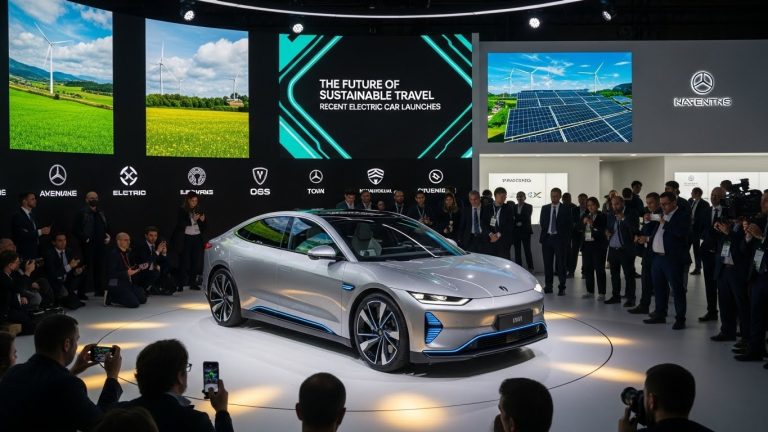
As the automotive industry accelerates towards a more sustainable future, the electric vehicle (EV) market is witnessing unprecedented growth and innovation. Several new electric car launches have caught the attention of enthusiasts and potential buyers alike, each promising cutting-edge technology and improved performance. In this comprehensive analysis, we will delve into the performance, efficiency, and design of the latest electric vehicles, providing insights to help you make an informed decision.
Performance: Speed and Handling in the Latest EVs
Performance is a critical factor for many car buyers, and the latest electric cars do not disappoint. With advancements in battery technology and electric motors, EVs are now capable of delivering remarkable speed and handling.
For instance, the newly launched Tesla Model S Plaid is a testament to what electric performance can achieve. With a 0-60 mph time of just under 2 seconds, it rivals some of the fastest sports cars in the world. This incredible acceleration is attributed to its tri-motor setup, providing an impressive 1,020 horsepower. Such performance metrics were unimaginable in the electric segment just a few years ago.
On the other hand, the Porsche Taycan Turbo S offers an exhilarating driving experience with its advanced chassis control systems and all-wheel drive. While it may not match the Tesla’s straight-line speed, its cornering capabilities and driving dynamics are often praised by automotive experts.
Efficiency: Maximizing Range and Reducing Charging Times

Efficiency is another crucial aspect where electric vehicles are making strides. Range anxiety, a common concern among potential EV buyers, is being addressed with larger battery packs and improved energy management systems.
The Lucid Air Dream Edition, for example, offers an industry-leading range of over 500 miles on a single charge. This remarkable achievement is due to its aerodynamically optimized design and advanced battery technology. Lucid Motors has focused on creating a powertrain that minimizes energy loss, ensuring that drivers can go longer distances without needing to recharge.
In terms of charging, the Hyundai Ioniq 5 stands out with its 800V architecture, allowing for ultra-fast charging capabilities. With the ability to charge from 10% to 80% in just 18 minutes, it sets a new standard for convenience in the EV market. This efficiency not only enhances the driving experience but also aligns with the growing infrastructure of fast-charging stations worldwide.
Design: Aesthetic Innovation in Electric Vehicles
Design plays a pivotal role in a vehicle’s appeal, and electric cars are no exception. The latest electric car launches showcase a blend of futuristic aesthetics and functional design elements.
The Rivian R1T, for instance, is a prime example of rugged elegance. As an electric pickup truck, it combines off-road capability with a sleek exterior. Its innovative gear tunnel and built-in kitchen option highlight the brand’s commitment to utility and adventure.
Meanwhile, the Mercedes-Benz EQS exudes luxury with its flowing lines and opulent interior. The hyperscreen dashboard, spanning the entire width of the cabin, offers an immersive digital experience. This blend of luxury and technology is designed to appeal to consumers seeking both comfort and innovation.
Technology: Integration and Autonomous Features
Technology integration in modern electric vehicles is advancing rapidly, with a focus on connectivity and autonomous capabilities. The latest models are equipped with state-of-the-art infotainment systems and driver-assist features that enhance safety and convenience.
For instance, the Ford Mustang Mach-E incorporates Ford’s SYNC 4A system, providing seamless smartphone integration and voice-activated controls. Its driver-assist features, such as adaptive cruise control and lane-centering, contribute to a stress-free driving experience.
Moreover, Tesla continues to push the boundaries with its Full Self-Driving (FSD) package, which promises to bring autonomous driving closer to reality. While the technology is still under development and regulatory approval, its potential to transform the driving experience is significant.
Environmental Impact: Sustainability in Focus
An important consideration for many consumers is the environmental impact of their vehicle choice. Electric cars are inherently more eco-friendly than their internal combustion counterparts, but manufacturers are going further to reduce their carbon footprint.
The BMW iX, for example, is constructed using sustainable materials and renewable energy sources. From the recycled plastics in the interior to the eco-friendly leather alternatives, BMW is committed to sustainability in the production of its electric vehicles.
Furthermore, the Volkswagen ID.4 is produced with a carbon-neutral balance, showcasing the brand’s dedication to reducing its environmental impact. This holistic approach to sustainability is becoming increasingly important to consumers and is setting new standards within the industry.
Conclusion: The Future of Electric Cars
The latest electric car launches are redefining what’s possible in terms of performance, efficiency, and design. As technology continues to evolve, we can expect even greater advancements in the coming years. Whether it’s the blistering speed of the Tesla Model S Plaid, the long-range capabilities of the Lucid Air, or the luxurious design of the Mercedes-Benz EQS, there is an electric vehicle to suit diverse consumer needs.
As infrastructure grows and prices become more competitive, the shift towards electric vehicles will continue to accelerate, driving us towards a more sustainable automotive future. For those interested in staying up-to-date with these developments, it’s worth exploring resources on electric car technology, industry trends, and sustainability efforts from reputable sources.
Market Trends: Growing Popularity and Consumer Acceptance
The electric vehicle market is not just about technological advancements; it is also about consumer acceptance and market trends. Over the past few years, there has been a significant shift in consumer attitudes towards electric cars. Increasing environmental awareness and stringent emission regulations in many countries have encouraged consumers to consider EVs as a viable option.
According to recent market reports, global electric car sales have surged, with projections indicating continued growth. This trend is supported by government incentives and subsidies aimed at reducing the initial cost burden on consumers. Additionally, improvements in battery technology have made EVs more affordable and practical for everyday use.
Automakers are also expanding their EV lineups to cater to a broader range of buyers. From compact city cars to luxury SUVs, there is an electric vehicle for nearly every preference and budget. This diversity in offerings is crucial in reaching different segments of the market and increasing overall adoption rates.
The Role of Charging Infrastructure: Overcoming Challenges
One of the critical factors influencing the adoption of electric vehicles is the availability and accessibility of charging infrastructure. While home charging remains the most convenient option for many EV owners, the development of public charging networks is essential for long-distance travel and urban dwellers without dedicated parking spaces.
Countries around the world are investing heavily in expanding their charging networks. For instance, the European Union has set ambitious targets for the installation of charging stations to support its goal of achieving climate neutrality by 2050. Similarly, the United States is seeing significant investment in charging infrastructure as part of its broader clean energy initiatives.
Private companies are also playing a vital role in this expansion. Companies like ChargePoint and Electrify America are rapidly increasing the number of charging stations, enhancing the convenience and accessibility for EV owners. The integration of high-speed chargers along major highways and in urban centers is particularly crucial for alleviating range anxiety and promoting longer journeys in electric vehicles.
Battery Technology: Innovations and Future Prospects
At the heart of every electric vehicle is its battery, and advancements in battery technology are crucial for the evolution of EVs. Current research is focused on increasing energy density, reducing charging times, and improving overall battery life.
Lithium-ion batteries remain the standard for most electric vehicles, but innovations such as solid-state batteries promise significant improvements. Solid-state batteries offer higher energy densities and are considered safer due to their reduced risk of overheating. Companies like Toyota and QuantumScape are leading the charge in developing this next-generation battery technology, with expectations of commercialization in the coming years.
Another promising development is the use of recycled materials in battery production, which not only reduces costs but also minimizes environmental impact. Companies are exploring ways to efficiently recycle battery components, ensuring a sustainable supply chain as demand for electric vehicles grows.
Conclusion: Embracing the Electric Future
The latest electric car launches highlight the rapid advancements in performance, efficiency, and design within the industry. As manufacturers continue to push the boundaries of what is possible, consumers are presented with an ever-expanding array of options that cater to diverse needs and preferences.
Whether you are drawn to the high performance of a Tesla, the luxury of a Mercedes-Benz, or the practicality of a Hyundai, the electric vehicle market has something for everyone. With ongoing investments in charging infrastructure, advancements in battery technology, and a growing focus on sustainability, the future of electric vehicles looks promising.
For those interested in the latest trends and developments in the electric vehicle industry, resources such as the U.S. Department of Energy provide valuable insights into the future of transportation. As we move towards a more sustainable future, embracing electric vehicles is not just an option but an imperative for reducing our environmental impact and improving our quality of life.
About the Author