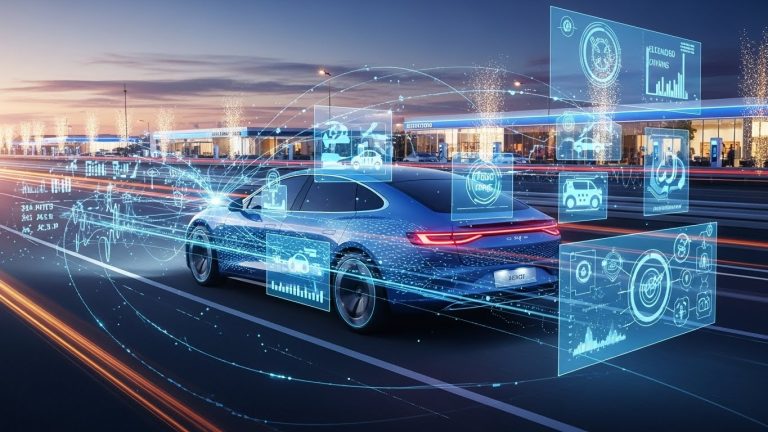

Electric Car Technology 101: A Comprehensive Guide for Beginners
The automotive industry is undergoing a significant transformation as electric car technology becomes more prevalent. With the growing emphasis on sustainable energy, electric vehicles (EVs) are rapidly becoming the future of transportation. This comprehensive guide aims to demystify electric car technology, providing beginners with a solid foundation to understand the intricacies of EVs, their components, and the technology that powers them.
Understanding Electric Vehicles (EVs)
Electric vehicles are automobiles that are powered by electric motors instead of conventional internal combustion engines. The primary source of energy in EVs is a rechargeable battery pack. Unlike traditional vehicles that rely on gasoline or diesel, EVs use electricity stored in their batteries to operate.
Types of Electric Vehicles
There are several types of electric vehicles, each with unique characteristics and functionalities:
- Battery Electric Vehicles (BEVs): These are fully electric vehicles that rely solely on electric power. BEVs are known for their zero emissions and are powered entirely by rechargeable batteries.
- Plug-in Hybrid Electric Vehicles (PHEVs): PHEVs combine an electric motor with a traditional internal combustion engine. They can be charged through an external power source and offer the flexibility to switch between electric and gasoline power.
- Hybrid Electric Vehicles (HEVs): HEVs are primarily powered by an internal combustion engine but also incorporate an electric motor to improve efficiency. They cannot be charged externally and rely on regenerative braking to charge the battery.
- Fuel Cell Electric Vehicles (FCEVs): FCEVs use hydrogen gas to power an electric motor. They emit only water vapor and heat, making them environmentally friendly.
Key Components of Electric Vehicles

Understanding the key components of electric vehicles is essential for grasping how they function. The main components include:
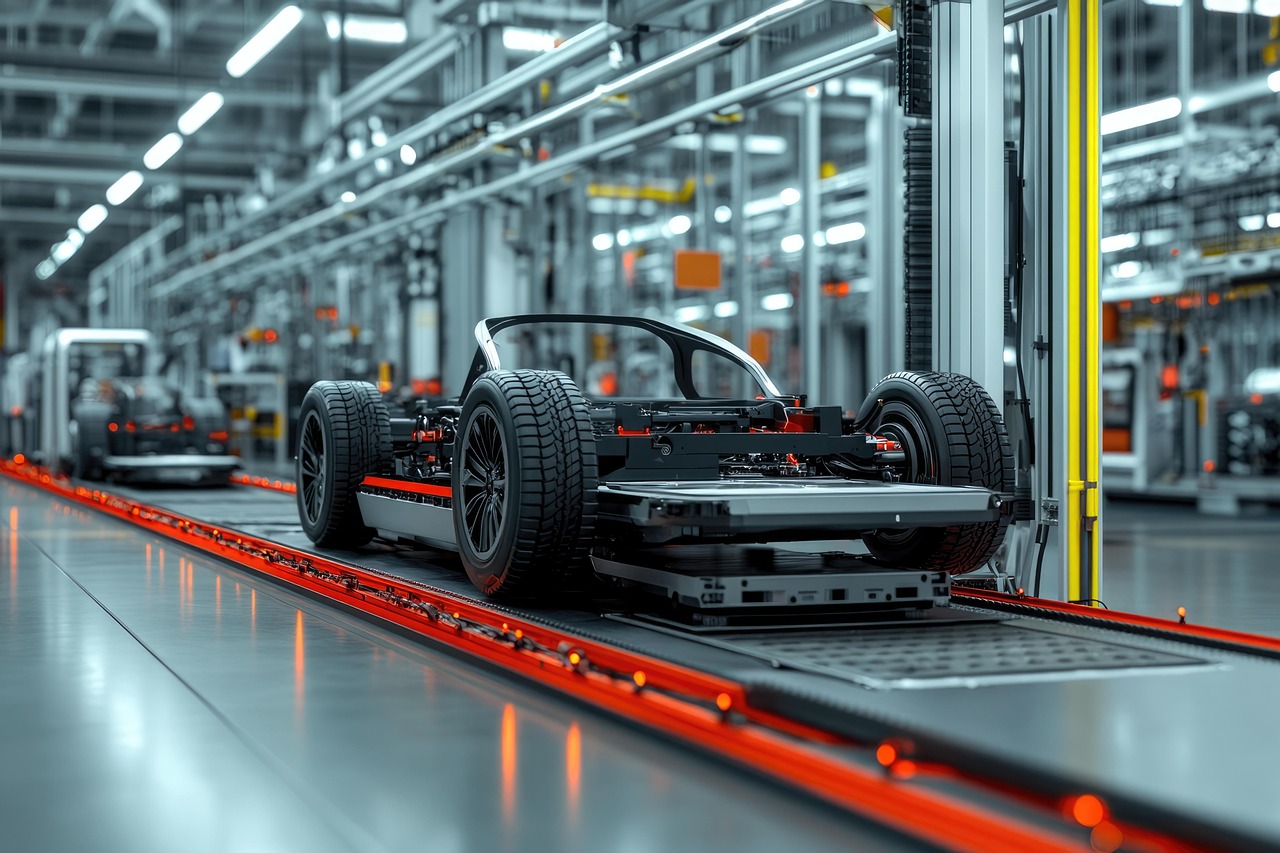
- Electric Motor: The electric motor is the heart of an EV. It converts electrical energy into mechanical energy, propelling the vehicle forward. The motor’s efficiency and power determine the vehicle’s performance.
- Battery Pack: This is the primary energy source of an EV. The battery pack stores electricity and is typically made of lithium-ion cells. Its capacity and energy density are crucial for determining the vehicle’s range.
- Charging Port: The charging port allows the vehicle to connect to an external power source for recharging. Different charging levels (Level 1, Level 2, and DC fast charging) affect the speed and duration of charging.
- Inverter: The inverter converts direct current (DC) from the battery into alternating current (AC) to power the electric motor. It also manages the flow of electricity during regenerative braking.
- Regenerative Braking System: This system captures kinetic energy during braking and converts it into electrical energy to recharge the battery. It enhances efficiency and extends the vehicle’s range.
Benefits of Electric Vehicles
Electric vehicles offer numerous benefits that make them an attractive option for consumers and the environment:
- Environmental Impact: EVs produce zero tailpipe emissions, significantly reducing air pollution and greenhouse gas emissions. This is crucial in the fight against climate change.
- Cost Savings: Electric vehicles have lower operating costs compared to traditional vehicles. They require less maintenance, and the cost of electricity is generally lower than gasoline.
- Performance: Electric motors provide instant torque, resulting in quick acceleration and a smooth driving experience. EVs are also quieter and offer a more comfortable ride.
- Energy Efficiency: EVs are more energy-efficient than internal combustion engines. A higher percentage of the energy from the battery is converted into motion.
Challenges Facing Electric Vehicles
Despite their advantages, electric vehicles face several challenges that need to be addressed:
- Range Anxiety: The limited range of some EVs can cause concern for drivers, especially on long journeys. However, advancements in battery technology are gradually increasing range capabilities.
- Charging Infrastructure: The availability of charging stations is crucial for widespread EV adoption. While the number of public charging stations is growing, more investment is needed to ensure convenient access.
- Battery Cost and Longevity: The high cost of battery production is a barrier to affordability. Additionally, concerns about battery lifespan and degradation affect consumer confidence.
- Initial Purchase Price: The upfront cost of electric vehicles is often higher than that of conventional cars. However, government incentives and decreasing battery prices are helping to bridge this gap.
The Future of Electric Vehicles
The future of electric vehicles is promising, with continued advancements in technology and infrastructure. Here are a few trends and developments to watch for:
- Improved Battery Technology: Researchers are working on developing batteries with higher energy density, faster charging times, and longer lifespans. Solid-state batteries are a promising innovation in this area.
- Expansion of Charging Networks: To support the growing number of EVs, charging infrastructure is rapidly expanding. Initiatives by governments and private companies aim to make charging more accessible and efficient.
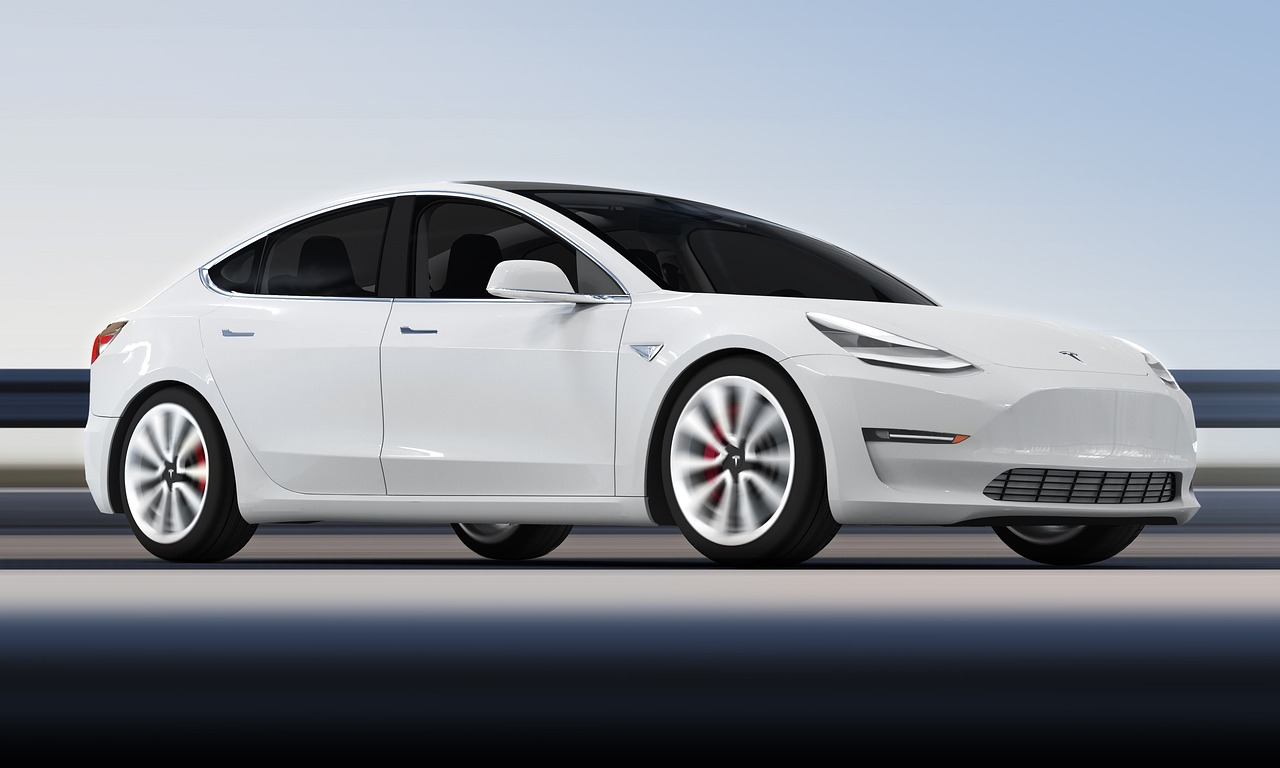
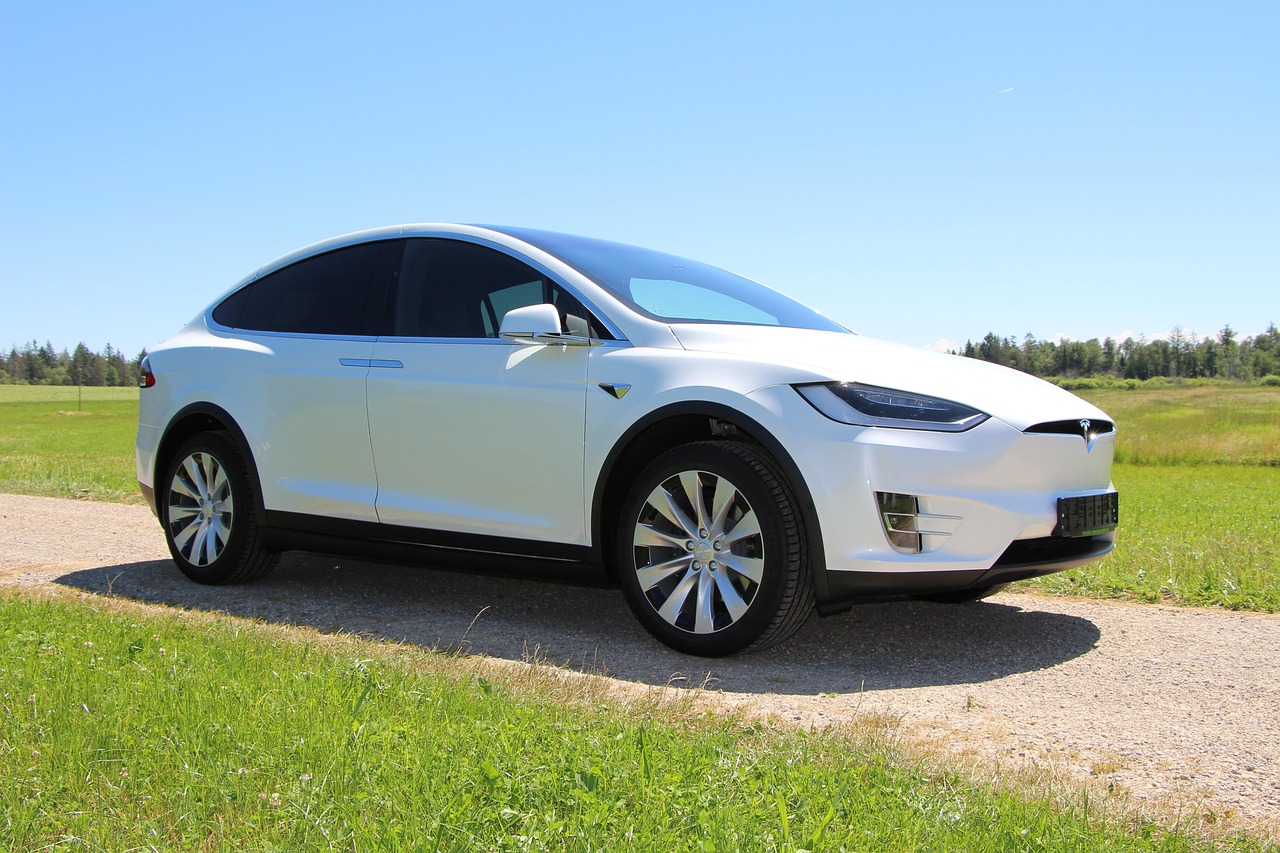
- Autonomous Driving: Electric vehicles are at the forefront of autonomous driving technology. Companies like Tesla are leading the way in integrating advanced driver-assistance systems into their EVs.
- Increased Model Availability: Automakers are introducing a wider variety of electric models, from compact cars to SUVs and trucks. This diversity will cater to different consumer preferences and needs.
Getting Started with Electric Vehicles

If you’re considering making the switch to an electric vehicle, here are some steps to get started:
- Research and Compare Models: Explore different EV models to find one that suits your lifestyle and budget. Consider factors such as range, charging options, and available features.
- Test Drive: Visit dealerships to test drive electric vehicles. Experience the unique driving dynamics and features firsthand to make an informed decision.
- Understand Charging Options: Familiarize yourself with the different charging levels and plug types. Assess your charging needs at home and on the go.
- Check Incentives and Rebates: Research available government incentives and rebates for purchasing electric vehicles. These can significantly reduce the overall cost.
- Plan for Maintenance: While EVs require less maintenance, it’s essential to understand the specific needs of your chosen model. Regular checks of the battery, tires, and brake system are crucial.
Takeaways
Electric car technology is revolutionizing the automotive industry, offering a cleaner, more efficient, and sustainable mode of transportation. As advancements continue, electric vehicles are becoming increasingly accessible and practical for everyday drivers. By understanding the basics of electric car technology, you can make informed decisions about whether an EV is the right choice for you.
As we move towards a more sustainable future, the adoption of electric vehicles is expected to rise significantly. Whether you’re an environmental enthusiast or simply looking to reduce your carbon footprint, electric vehicles present an exciting opportunity to embrace innovation and contribute to a cleaner world.
FAQs About Electric Vehicles
As electric vehicles continue to gain popularity, potential buyers often have questions. Here are some frequently asked questions about EVs:
1. How long does it take to charge an electric vehicle?
The charging time for an electric vehicle depends on the charging level and the vehicle’s battery capacity. Level 1 charging, using a standard household outlet, can take anywhere from 8 to 12 hours for a full charge. Level 2 charging, which requires a dedicated home charging station, typically takes 4 to 6 hours. DC fast charging can replenish 80% of the battery in as little as 30 minutes, making it ideal for long-distance travel.
2. What is the lifespan of an electric vehicle battery?
An electric vehicle battery’s lifespan depends on various factors, including usage patterns, environmental conditions, and the type of battery used. On average, EV batteries are designed to last between 8 to 15 years, with most manufacturers offering warranties for around 8 years or 100,000 miles. Advances in battery technology continue to improve longevity and performance.
3. Are electric vehicles truly environmentally friendly?
Electric vehicles offer significant environmental benefits compared to traditional internal combustion engine vehicles. They produce zero tailpipe emissions, reducing air pollution and greenhouse gases. However, the overall environmental impact of EVs also depends on how the electricity used to charge them is generated. Using renewable energy sources further enhances their eco-friendliness.
4. Can electric vehicles drive in extreme weather conditions?
Electric vehicles are designed to operate efficiently in a variety of weather conditions. However, extreme temperatures can affect the battery’s performance and range. In cold weather, battery efficiency may decrease, leading to reduced range. Many EVs come equipped with thermal management systems to mitigate these effects and ensure optimal performance.
5. What incentives are available for electric vehicle buyers?
Many governments offer incentives to encourage the adoption of electric vehicles. These incentives may include tax credits, rebates, reduced registration fees, and access to carpool lanes. It’s important to research the specific incentives available in your region to take full advantage of the potential savings.
Tips for Maximizing Electric Vehicle Efficiency
To get the most out of your electric vehicle, consider these tips for maximizing efficiency:
- Optimize Driving Habits: Drive smoothly and avoid rapid acceleration or hard braking. This helps conserve energy and extend your vehicle’s range.
- Use Regenerative Braking: Take advantage of regenerative braking to recover energy and recharge the battery while driving.
- Monitor Tire Pressure: Regularly check and maintain the correct tire pressure to improve efficiency and reduce energy consumption.
- Limit Use of Climate Control: Using heating or air conditioning can impact the vehicle’s range. Use climate control features judiciously to conserve energy.
- Plan Charging Stops: On longer trips, plan your route with available charging stations in mind. This ensures you have sufficient power to reach your destination comfortably.
Exploring the Global Impact of Electric Vehicles
Electric vehicles have the potential to make a significant impact on a global scale. Here are some ways EVs are influencing the world:
- Reduction in Oil Dependency: As more people transition to electric vehicles, the demand for oil decreases, reducing dependency on fossil fuels and promoting energy independence.
- Urban Air Quality Improvement: EVs contribute to cleaner air in urban areas by eliminating tailpipe emissions. This is particularly beneficial in cities with high pollution levels.
- Job Creation: The growth of the electric vehicle industry is creating new job opportunities in manufacturing, battery technology, charging infrastructure, and renewable energy sectors.
- Technological Advancements: The development of electric vehicles is driving innovation in battery technology, energy storage, and smart grid integration, benefitting various industries.
- Influence on Policy and Regulation: The rise of electric vehicles is prompting governments to implement policies and regulations that support sustainable transportation and environmental protection.
Conclusion: Embracing the Electric Future
Electric vehicle technology represents a transformative shift in the way we approach transportation. As the industry continues to evolve, it brings with it the promise of a cleaner, more sustainable future. By understanding the technology, benefits, and challenges associated with electric vehicles, consumers can make informed choices that contribute to a healthier planet.
Whether you’re a seasoned EV owner or considering your first electric vehicle purchase, staying informed about the latest developments in the field is essential. The journey towards a fully electric future is exciting and full of potential, offering a glimpse into a world where sustainability and innovation go hand in hand.
About the Author