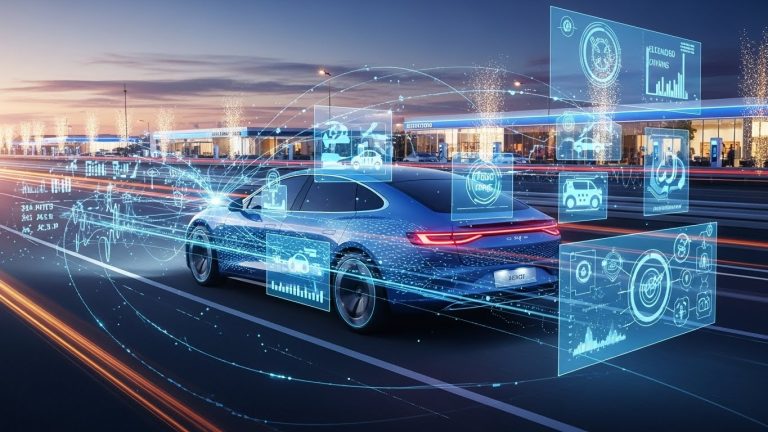

Electric Cars vs. Traditional Fuel Cars: A Cost-Effectiveness Analysis
As the world shifts towards more sustainable energy solutions, the age-old debate between electric cars and traditional fuel cars continues to intensify. With advancements in technology and growing environmental concerns, consumers find themselves at a crossroads when deciding on the most cost-effective option. This comprehensive analysis aims to provide insights into the economic aspects of both electric and traditional fuel cars, taking into account purchase costs, maintenance, fuel expenses, and overall long-term value.
The Initial Purchase Cost
One of the primary considerations for any car buyer is the initial purchase cost. Traditionally, electric cars have been seen as more expensive than their gasoline counterparts. This perception is rooted in the high costs associated with battery production and the advanced technology embedded in electric vehicles (EVs). However, recent trends indicate a significant reduction in these costs, making electric cars more accessible to the average consumer.
For instance, the price of lithium-ion batteries, a crucial component of EVs, has dropped by about 89% over the past decade. Furthermore, government incentives and tax breaks in many countries further reduce the effective cost of electric vehicles, making them a competitive option. In contrast, traditional fuel cars, although generally cheaper upfront, do not benefit from such incentives, which can make them less appealing in the long term.
Fuel Costs: Electricity vs. Gasoline

Fuel costs represent a significant portion of vehicle ownership expenses. When comparing electric vehicles to traditional fuel cars, the difference is quite pronounced. Electric cars rely on electricity, which is generally cheaper and more stable in price than gasoline. The cost per mile for electric cars is substantially lower than for gasoline cars, making them more economical in the long run.
For example, the average cost to charge an electric vehicle is roughly half the cost of fueling a gasoline car for the same distance. This is particularly advantageous in regions where electricity is predominantly generated from renewable sources, further reducing the carbon footprint associated with vehicle operation.
Maintenance and Repair Costs
Another critical factor in the cost-effectiveness of electric versus traditional cars is maintenance. Electric vehicles generally have fewer moving parts than gasoline cars. They do not require oil changes, have less wear on brakes due to regenerative braking technology, and have fewer components that can break down over time. This translates to lower maintenance and repair costs over the vehicle’s lifespan.
In contrast, traditional fuel cars require more frequent servicing, which can add up to significant expenses over time. Regular oil changes, exhaust system repairs, and engine maintenance are just a few of the recurring costs associated with gasoline-powered vehicles.
Resale Value and Depreciation
Depreciation is a crucial consideration for any car buyer. Historically, electric cars have suffered from rapid depreciation due to concerns over battery life and limited range. However, as technology advances and public perception shifts, the resale value of electric vehicles is beginning to improve.
Traditional fuel cars have typically enjoyed more stable resale values, but this gap is narrowing. As electric car technology continues to evolve and become more mainstream, it is expected that their depreciation rates will align more closely with those of gasoline vehicles.

Environmental Impact and Social Costs
While not directly related to personal finance, the environmental impact of vehicle choice is increasingly important to many consumers. Electric cars offer a cleaner alternative to traditional fuel cars, especially when charged using renewable energy sources. The reduction in greenhouse gas emissions and air pollutants is a significant advantage of electric vehicles.
On the other hand, traditional fuel cars contribute significantly to air pollution and climate change. Although efforts are underway to improve fuel efficiency and reduce emissions, they still lag behind electric vehicles in terms of environmental impact. The social costs associated with pollution and climate change are substantial, and choosing an electric vehicle can be seen as an investment in a sustainable future.
Long-Term Economic Benefits
When considering the long-term economic benefits, electric cars often come out on top. The combination of lower fuel and maintenance costs, coupled with government incentives, can offset the initially higher purchase price. Furthermore, as the technology matures and economies of scale are realized, the cost of electric cars is expected to continue to decrease.
Traditional fuel cars, while still popular, may become less economically viable as fuel prices fluctuate and environmental regulations become stricter. The long-term economic outlook suggests a trend towards electric vehicle adoption, driven by both cost savings and environmental considerations.
Takeaways
In conclusion, the choice between electric cars and traditional fuel cars involves a complex interplay of factors, including initial costs, fuel and maintenance expenses, environmental impact, and future trends. While traditional fuel cars remain a viable option for many, the economic advantages of electric vehicles are becoming increasingly apparent.
As technology continues to advance and more consumers recognize the long-term benefits, electric cars are poised to become the preferred choice for cost-conscious and environmentally-aware buyers. For more detailed information on the benefits and considerations of electric vehicle adoption, visit authoritative sources like the Environmental Protection Agency and Consumer Reports.
Ultimately, the decision will depend on individual circumstances, including driving habits, budget, and environmental values. However, the trend towards electrification is clear, and it promises a more sustainable and cost-effective future for personal transportation.
Technological Advancements and Future Prospects
As we look to the future, technological advancements in the automotive industry promise to further reshape the cost-effectiveness landscape between electric cars and traditional fuel vehicles. Continuous improvements in battery technology are leading to longer ranges and faster charging times for electric vehicles. Innovations such as solid-state batteries and wireless charging are on the horizon, potentially revolutionizing the electric vehicle market.
Moreover, the integration of smart technologies and the Internet of Things (IoT) into electric vehicles can enhance user experience and efficiency. Features like advanced driver-assistance systems (ADAS), autonomous driving capabilities, and over-the-air software updates are becoming more prevalent, adding value to electric cars and potentially reducing costs associated with accidents and repairs.

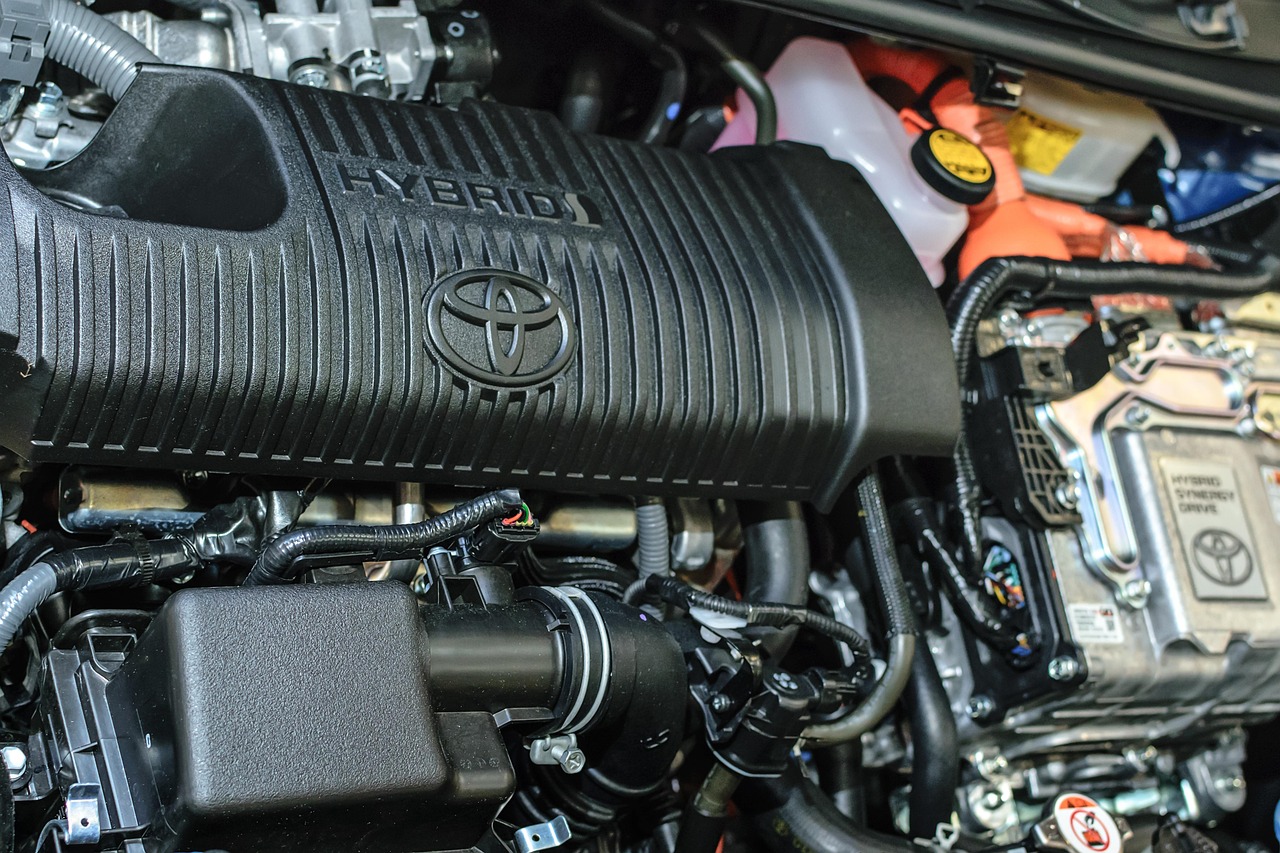
Traditional fuel cars, while also benefiting from technological innovations, face challenges as the industry shifts focus towards electrification. The development of more efficient internal combustion engines (ICE) and hybrid technologies may prolong their relevance, but the long-term trend suggests a gradual decline as electric vehicles become more widely adopted.
Infrastructure Development
A critical factor influencing the adoption of electric vehicles is the development of charging infrastructure. The availability and accessibility of charging stations play a significant role in consumer confidence and the practicality of owning an electric car. Governments and private enterprises worldwide are investing heavily in expanding charging networks, making it easier for electric vehicle owners to travel long distances without range anxiety.
In contrast, the infrastructure for traditional fuel cars is well-established, with gas stations readily available in most regions. However, as the number of electric vehicles on the road increases, the demand for charging stations is expected to grow, potentially leading to more efficient and widespread networks than those currently available for gasoline vehicles.
Consumer Perception and Market Trends
Consumer perception is rapidly evolving in favor of electric vehicles, driven by increased awareness of environmental issues and the benefits of sustainable transportation. As more people experience the advantages of electric cars firsthand, such as the quiet ride and instant torque, their popularity is likely to soar.
Market trends indicate a shift towards electric and hybrid vehicles, with major automakers announcing plans to electrify their fleets in the coming years. Companies like Tesla, Nissan, and Volkswagen are leading the charge, while traditional manufacturers such as Ford and General Motors are investing heavily in electric vehicle research and development.

The growing preference for electric vehicles is also reflected in government policies aimed at reducing carbon emissions and promoting clean energy. Many countries have set ambitious goals to phase out gasoline and diesel vehicles, further accelerating the transition to electric mobility.
Challenges and Considerations
Despite the many benefits of electric vehicles, several challenges remain. The higher initial cost, although decreasing, can still be a barrier for some consumers. Additionally, the environmental impact of battery production and disposal is a concern, necessitating the development of sustainable practices and recycling solutions.
For traditional fuel cars, the main challenges are increasing fuel prices and stringent emissions regulations. While these vehicles remain practical for areas with limited charging infrastructure, the long-term viability of gasoline and diesel engines is uncertain as the world moves towards cleaner energy solutions.
Final Thoughts
In assessing the cost-effectiveness of electric cars versus traditional fuel cars, it’s clear that the balance is tipping in favor of electric vehicles. With lower operational costs, government incentives, and a growing emphasis on sustainability, electric cars offer a compelling case for both consumers and the environment.
As we progress towards a more sustainable future, the automotive industry is poised for significant transformation. Electric vehicles are at the forefront of this change, promising a cleaner, more efficient, and cost-effective mode of transportation. For those considering a vehicle purchase, understanding the nuanced differences between electric and traditional fuel cars is essential in making an informed decision that aligns with both financial goals and environmental values.
About the Author