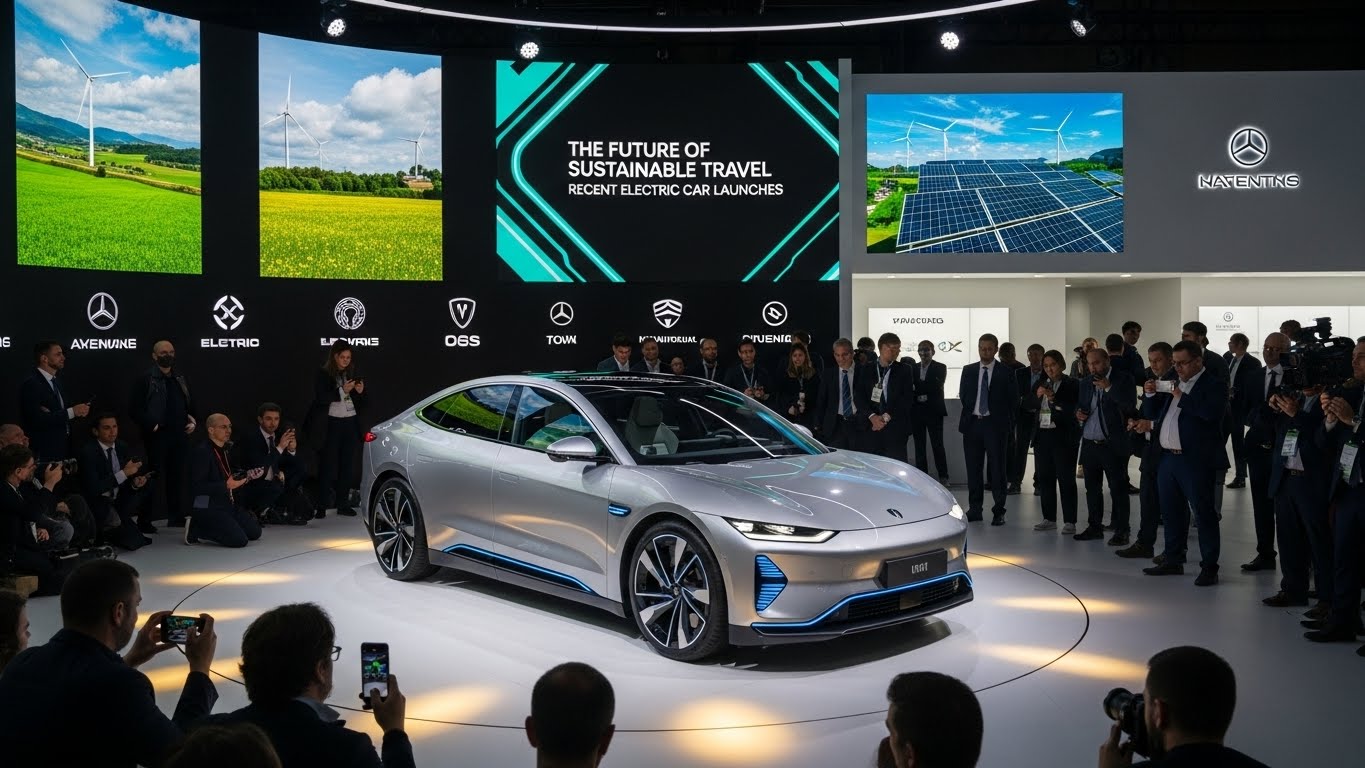
The Future of Sustainable Travel: Highlights from Recent Electric Car Launches
As the world pivots towards a more sustainable future, the transportation sector is experiencing a revolution, particularly through the innovation of electric vehicles (EVs). The recent wave of electric car launches underscores a growing commitment to reducing carbon footprints and embracing greener technologies. This shift not only promises environmental benefits but also offers exciting advancements in technology, design, and performance. In this blog post, we will dive into the latest developments in electric car launches and explore how these innovations are shaping the future of sustainable travel.
The Rise of Electric Vehicles: A Brief Overview
Electric vehicles are not a new concept; they’ve been around since the late 19th century. However, it is only in the last decade that they have gained significant traction. This change is largely driven by increasing environmental concerns, advancements in battery technology, and robust governmental policies promoting cleaner energy. The International Energy Agency reports a remarkable surge in EV sales, with numbers expected to grow exponentially in the coming years.
Recent Electric Car Launches: Pioneering a Sustainable Future
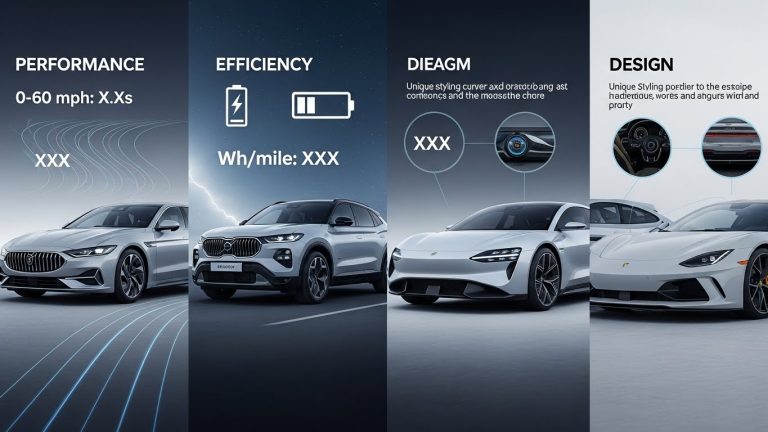
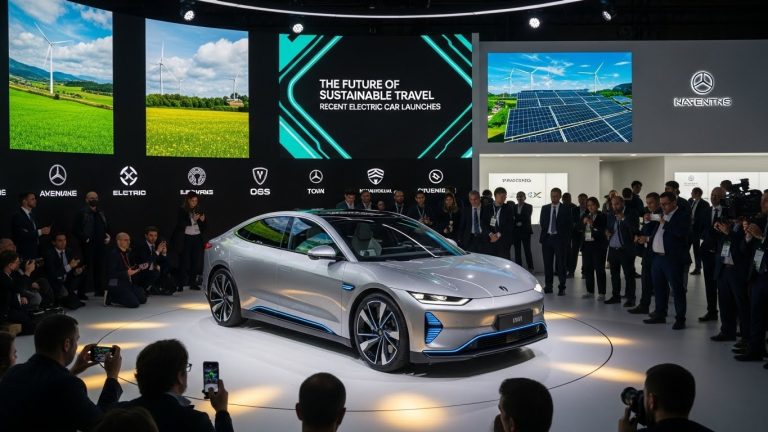
The past year has witnessed numerous electric car launches, each bringing unique features and innovations to the market. These launches are not just about introducing new models but also about setting new standards in sustainability and performance.
Tesla’s Plaid Model S
One of the most anticipated launches was Tesla’s Plaid Model S. This vehicle boasts extraordinary speed, reaching 0-60 mph in under two seconds. Beyond its impressive performance, the Plaid Model S emphasizes sustainability with its long-range capabilities and efficient use of energy. Tesla continues to be a leader in the EV space, pushing boundaries with their technology and sustainable practices.

Ford Mustang Mach-E
Ford’s entry into the electric vehicle market with the Mustang Mach-E is another significant milestone. This SUV combines the iconic design of the Mustang with modern electric technology, providing a range of over 300 miles per charge. The Mach-E represents Ford’s commitment to sustainability while maintaining the brand’s legacy of performance and style. As noted by Ford’s official website, this launch is just the beginning of their journey towards electrification.
Volkswagen ID.4
Volkswagen has made headlines with the launch of its ID.4, a versatile electric SUV designed for the masses. With its competitive pricing, spacious interior, and impressive range, the ID.4 is set to democratize electric vehicles. Volkswagen aims to produce millions of EVs in the next few years, making sustainability accessible to a broader audience. The Volkswagen newsroom highlights their ambitious plans for the future of e-mobility.
Lucid Air
Lucid Motors has introduced the Lucid Air, a luxury electric sedan that challenges traditional perceptions of what an EV can be. Offering a range of over 500 miles on a single charge, the Lucid Air combines high-end luxury with cutting-edge technology. This vehicle demonstrates that sustainability does not have to compromise luxury or performance, setting a new benchmark for electric vehicles.
Technological Advancements in Electric Vehicles
Recent electric car launches have showcased numerous technological advancements that are shaping the future of sustainable travel. These innovations are not only enhancing vehicle performance but also making EVs more accessible and appealing to a wide range of consumers.
Battery Technology
The heart of any electric vehicle is its battery, and recent launches have highlighted significant advancements in this area. New battery technologies are offering longer ranges, faster charging times, and improved durability. Companies are investing in research to develop solid-state batteries, which promise even greater efficiency and safety. The Department of Energy provides insights into ongoing advancements in battery technologies and their implications for the future of transportation.
Autonomous Driving Features
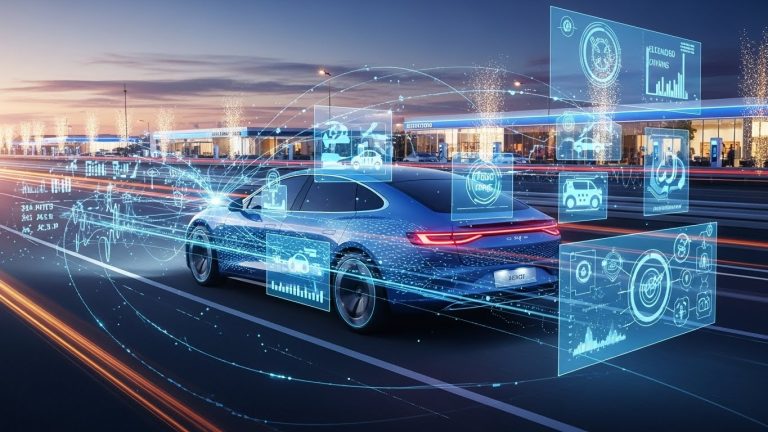
Many of the new electric vehicles are equipped with advanced autonomous driving features. These systems enhance safety and convenience, providing a glimpse into the future of driverless transportation. From adaptive cruise control to fully autonomous navigation, electric vehicles are at the forefront of integrating artificial intelligence in everyday travel.
Renewable Energy Integration
A crucial aspect of sustainable travel is the integration of renewable energy sources. Many electric vehicles are now designed to work seamlessly with solar panels and smart grids, enabling users to charge their cars using clean energy. This integration not only reduces reliance on fossil fuels but also promotes a more sustainable lifestyle.
The Impact of Electric Vehicles on the Environment
The environmental impact of electric vehicles is one of the primary drivers behind their adoption. By reducing emissions and utilizing renewable energy, EVs offer a more sustainable alternative to traditional internal combustion engine vehicles.
Electric vehicles produce zero tailpipe emissions, significantly reducing air pollution in urban areas. This reduction in emissions is crucial for mitigating climate change and improving public health. Furthermore, as the electricity grid becomes greener, the overall carbon footprint of electric vehicles continues to decrease.
Challenges and Opportunities for the Future
While the future of electric vehicles is promising, there are still challenges to overcome. Infrastructure development, such as the availability of charging stations, remains a key concern. Governments and private entities are investing in expanding charging networks to support the growing number of electric vehicles on the road.
Another challenge is the recycling and disposal of batteries. As electric vehicles become more prevalent, finding sustainable solutions for battery disposal and recycling is essential. Innovations in battery technology and recycling processes are being pursued to address these concerns.
Despite these challenges, the opportunities for electric vehicles are vast. The shift towards sustainable travel is opening new markets and driving economic growth. Companies are investing in research and development, creating jobs and fostering innovation in the automotive industry.
Conclusion: Driving Towards a Greener Future
The recent electric car launches highlight the automotive industry’s commitment to a sustainable future. These vehicles are not only reducing emissions but also offering new levels of performance, convenience, and technology. As the world continues to embrace electric vehicles, the future of sustainable travel looks bright.
With continued advancements in technology and infrastructure, electric vehicles are set to become the norm rather than the exception. This transformation is essential for combating climate change and promoting a healthier planet for future generations. As we move forward, the role of electric vehicles in shaping a sustainable future cannot be overstated.
Government Policies and Incentives
The growth in electric vehicle adoption is significantly influenced by government policies and incentives. Many countries are implementing measures to encourage the transition from traditional gasoline-powered vehicles to electric ones. These measures include tax incentives, subsidies for EV purchases, and investments in charging infrastructure.
For instance, the U.S. Department of Energy provides various tax credits and rebates to EV buyers, making electric cars a more attractive option. Similarly, European countries like Norway, the Netherlands, and Germany offer incentives that have resulted in a substantial increase in electric vehicle sales.
Regulatory Support
Regulations are also playing a critical role in accelerating the adoption of electric vehicles. Many governments have set ambitious targets to phase out internal combustion engine vehicles over the next few decades. These regulatory frameworks are pushing automakers to innovate and expand their electric vehicle offerings.
Investment in Infrastructure
The development of charging infrastructure is crucial for the widespread adoption of electric vehicles. Governments and private companies are investing heavily in expanding charging networks, making it easier for EV owners to charge their cars conveniently. The availability of fast-charging stations in urban and rural areas alike is essential to alleviate range anxiety among potential EV buyers.
The Role of Automakers in Shaping the Future
Automakers are at the forefront of the electric vehicle revolution, investing billions in research and development to create more efficient, affordable, and appealing electric vehicles. Many traditional car manufacturers are transitioning their production lines to focus predominantly on electric vehicles, signaling a significant shift in the industry.
Collaboration and Innovation
Collaboration between automakers, technology companies, and governments is driving innovation in the electric vehicle space. Partnerships are essential for developing new technologies, improving battery performance, and creating smart mobility solutions. This collaborative approach is fostering a dynamic environment where ideas can be shared and developed quickly.
Commitment to Sustainability
Many automakers are also committing to sustainability beyond just producing electric vehicles. Initiatives include using recycled materials in manufacturing, reducing waste, and adopting sustainable practices across their supply chains. These efforts are helping to create a more sustainable automotive industry, contributing to a greener future.
Consumer Awareness and Education
Consumer awareness and education are crucial for the successful adoption of electric vehicles. Many potential buyers are still unfamiliar with the benefits and capabilities of EVs. Educating consumers about the environmental benefits, cost savings, and technological advancements associated with electric vehicles is essential for driving adoption.
Automakers, governments, and environmental organizations are launching campaigns to inform the public about the advantages of electric vehicles. These initiatives are helping to dispel myths, address concerns, and provide potential buyers with the information they need to make informed decisions.
The Future Outlook for Electric Vehicles
The future outlook for electric vehicles is incredibly promising. As technology continues to advance, we can expect to see even more innovative features and improved performance from new electric car models. The continued investment in infrastructure and government support will further accelerate the transition to electric vehicles, making them an integral part of our transportation system.
Looking ahead, the electric vehicle market is expected to grow rapidly, with projections indicating a significant increase in global EV sales over the next decade. This growth will be driven by technological advancements, regulatory support, and shifting consumer preferences towards more sustainable transportation options.
As we move towards a more sustainable future, electric vehicles will play a critical role in reducing emissions, conserving energy, and promoting a cleaner environment. The recent wave of electric car launches is just the beginning of an exciting journey towards a greener, more sustainable world.
About the Author