Understanding the Future of Electric Car Technology: A Deep Dive into Innovations
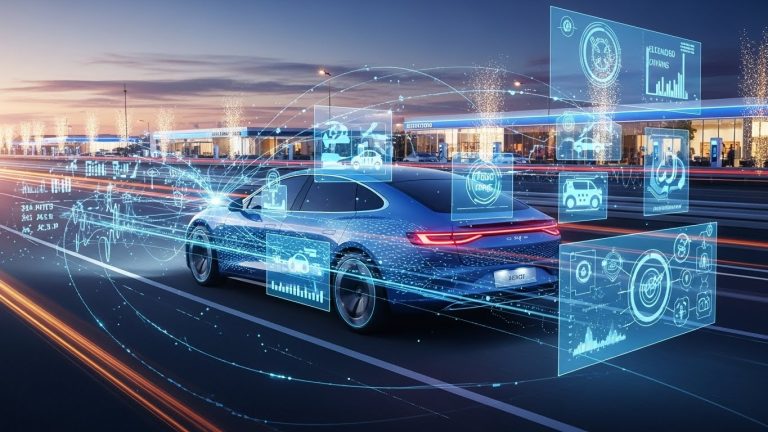
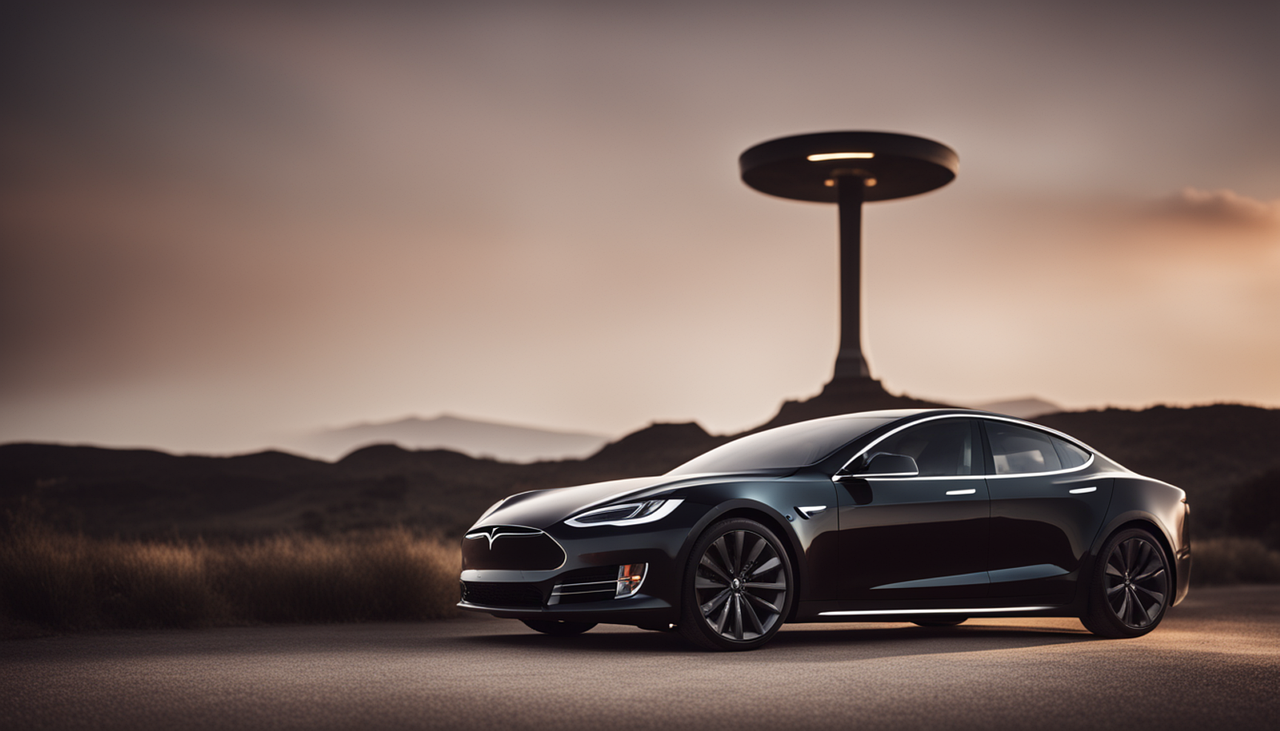
The evolution of electric car technology is not just a fleeting trend but a pivotal shift in the automotive world. With growing concerns over climate change and the depletion of fossil fuels, electric vehicles (EVs) present a sustainable alternative to traditional gasoline-driven cars. As we delve into the innovations shaping this burgeoning industry, it becomes clear that the future of transportation is electric.
The Rise of Electric Vehicles
The journey of electric vehicles from niche prototypes to mainstream offerings is a testament to technological advancement and consumer demand for smarter, cleaner transportation. Early electric cars were limited by range, charging infrastructure, and high costs. However, modern advances have significantly addressed these challenges.
One of the most critical breakthroughs has been in battery technology. The development of lithium-ion batteries has revolutionized the range and efficiency of electric cars, making them more viable for everyday use. These batteries are lighter, have higher energy density, and offer better longevity compared to their predecessors.
Innovations in Battery Technology
The heart of any electric vehicle is its battery. As research and development efforts continue, the future of EV batteries is incredibly promising. Solid-state batteries, for instance, are a cutting-edge innovation that could potentially offer greater energy density, faster charging times, and enhanced safety over traditional lithium-ion batteries.
Moreover, the concept of battery recycling and second-life applications is gaining traction. Companies are exploring ways to repurpose EV batteries for stationary energy storage, thus extending their lifecycle and reducing environmental impact. This innovation not only addresses sustainability concerns but also enhances the economic viability of electric vehicles.

Enhanced Charging Infrastructure
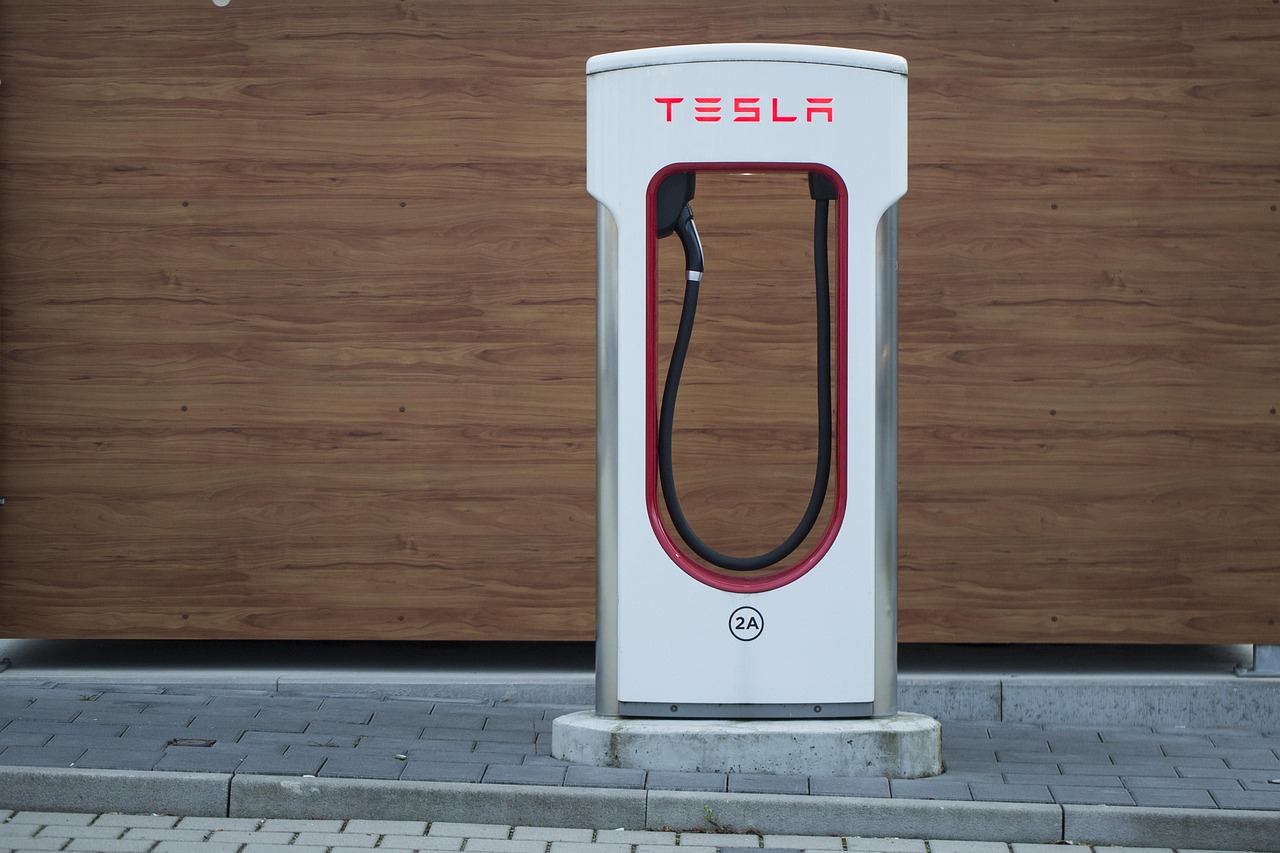
One of the key factors influencing the adoption of electric vehicles is the availability of charging infrastructure. In recent years, significant investments have been made to expand charging networks, making it easier for EV owners to charge their vehicles on the go. Fast-charging stations, which can replenish a vehicle’s battery in a matter of minutes, are becoming increasingly common.
Innovations in wireless charging technology also offer exciting possibilities. This technology allows vehicles to charge without the need for physical connectors, providing a seamless and convenient experience for users. As more cities and businesses integrate wireless charging stations, the practicality of owning an electric vehicle will only increase.
Autonomous Driving and Electric Vehicles
The intersection of autonomous driving and electric vehicle technology presents a fascinating frontier in the automotive industry. As automated driving systems become more sophisticated, the synergy with electric vehicles could redefine personal and public transportation.
Electric cars are ideally suited for autonomous technology due to their advanced electronic systems and reduced mechanical complexity. Moreover, integrating these technologies can optimize energy consumption, making autonomous electric vehicles even more efficient and environmentally friendly.
The Role of Artificial Intelligence
Artificial Intelligence (AI) is playing an increasingly significant role in the development of electric cars. From enhancing battery management systems to optimizing routing for maximum efficiency, AI is transforming how electric vehicles operate. Machine learning algorithms can predict energy usage, diagnose potential issues before they occur, and improve the overall user experience.
Furthermore, AI is pivotal in advancing autonomous driving capabilities, enabling vehicles to learn from their environment and improve over time. This continuous learning process is essential for enhancing safety and reliability in autonomous electric vehicles.
Environmental and Economic Impacts
The shift towards electric vehicles has profound environmental and economic implications. The reduction in tailpipe emissions is a significant environmental benefit, contributing to cleaner air and a healthier planet. Moreover, the use of renewable energy sources to power EVs can further minimize their carbon footprint.
From an economic perspective, the growth of the electric vehicle industry is creating new job opportunities and driving innovation in related fields. Governments worldwide are offering incentives to promote the adoption of electric vehicles, recognizing their potential to reduce reliance on imported fossil fuels and boost energy independence.
Challenges and Future Outlook
Despite the remarkable progress, several challenges remain in the widespread adoption of electric vehicles. The initial cost of EVs can be a barrier for many consumers, although prices are expected to decrease as technology advances and production scales up.
Infrastructure development is another critical challenge. Ensuring an extensive and reliable charging network is essential for alleviating range anxiety and encouraging more people to switch to electric vehicles. Moreover, the environmental impact of battery production and disposal must be managed to ensure the sustainability of the electric vehicle ecosystem.
Looking ahead, the future of electric car technology is promising. Continued innovation in battery technology, charging infrastructure, and autonomous systems will accelerate the transition to electric vehicles. As global demand for EVs grows, we can expect to see further advancements that enhance their affordability, efficiency, and sustainability.

Takeaways
Electric vehicles represent a pivotal shift in how we perceive transportation. The advancements in battery technology, charging infrastructure, and autonomous systems are propelling the industry forward, making electric cars more accessible and appealing to a broader audience. As we continue to explore and embrace these innovations, the future of electric car technology looks bright, promising a cleaner, more sustainable world.
The journey towards widespread electric vehicle adoption is complex but achievable. With continued investment and innovation, electric vehicles have the potential to revolutionize the automotive industry and contribute to a more sustainable future. As consumers and policymakers align to support this transition, we stand on the cusp of a new era in transportation.
Innovations in Manufacturing and Design
The manufacturing processes and design philosophies behind electric vehicles are continually evolving to meet the demands of modern consumers and environmental standards. One of the significant trends in this area is the use of lightweight materials, which improve energy efficiency by reducing the overall weight of the vehicle. Materials such as high-strength steel, aluminum, and carbon fiber composites are increasingly used in EV production.
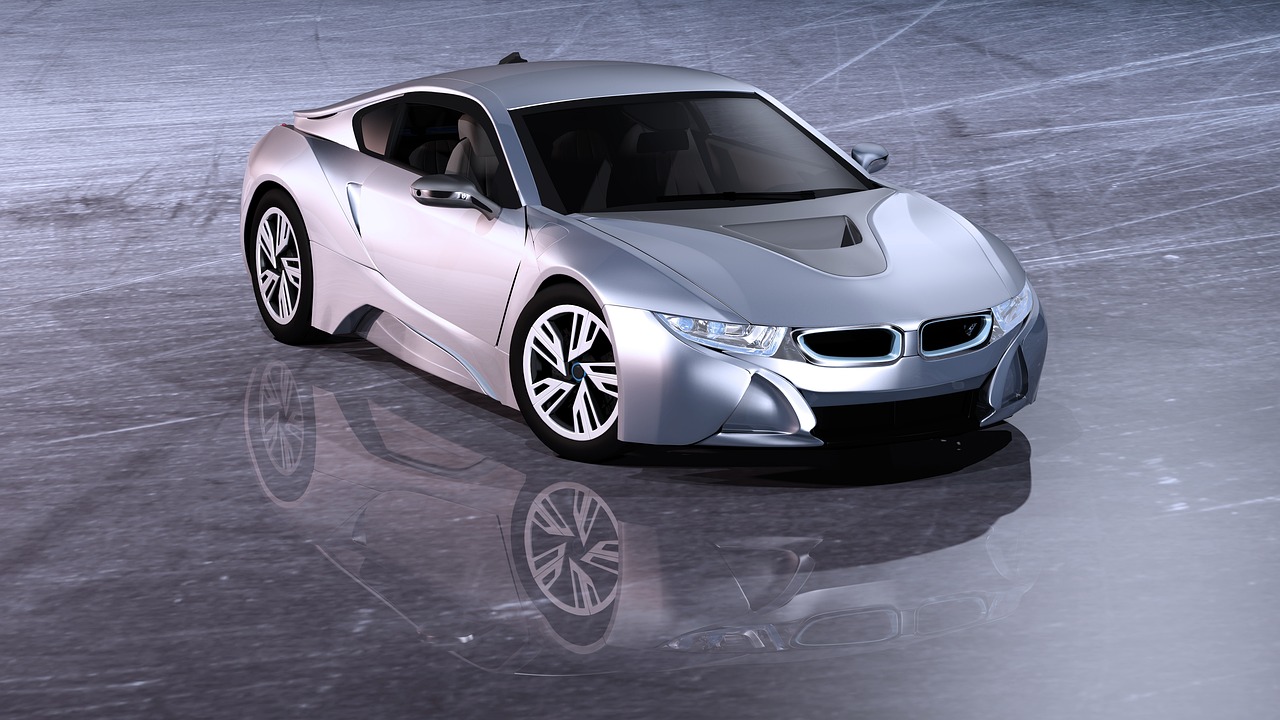
Additionally, the design of electric vehicles is becoming more streamlined and aerodynamic, further enhancing their energy efficiency. Automakers are focusing on reducing drag coefficients, which can significantly impact the vehicle’s range and performance. The sleek, futuristic designs not only appeal to consumers but also serve practical purposes in enhancing the vehicle’s efficiency.
The Role of Government and Policy
Government policies and incentives play a crucial role in the adoption and advancement of electric vehicle technology. Many countries are implementing policies that support the development of EV infrastructure and provide financial incentives for consumers to purchase electric vehicles. For instance, tax credits, rebates, and subsidies are common incentives that reduce the initial cost burden for consumers.
Moreover, governments are setting ambitious targets for reducing carbon emissions and encouraging the transition to electric vehicles. These policies are backed by investments in research and development, further driving innovation and the rapid adoption of electric cars. By setting stringent emissions standards and supporting clean energy initiatives, policymakers are paving the way for a more sustainable automotive industry.
Electric Vehicles and Renewable Energy Integration
The integration of electric vehicles with renewable energy sources is a promising development that could significantly enhance the sustainability of transportation. By using clean energy to charge electric vehicles, the overall carbon footprint of transportation can be minimized. Solar and wind energy are ideal candidates for powering EV charging stations, providing a renewable and sustainable energy source.
Furthermore, vehicle-to-grid (V2G) technology allows electric vehicles to feed stored energy back into the grid, providing an additional resource for managing energy demand. This not only benefits the grid by stabilizing energy supply but also offers potential economic benefits to EV owners who can sell excess energy back to the grid.
The Consumer Perspective
Consumer acceptance and satisfaction are critical factors in the widespread adoption of electric vehicles. As technology advances, the cost of electric vehicles is expected to decrease, making them more affordable for the average consumer. Additionally, improvements in range, charging infrastructure, and vehicle performance are addressing many of the initial concerns consumers had about electric vehicles.
Manufacturers are also focusing on enhancing the user experience by integrating advanced technology and connectivity features into electric vehicles. From intuitive infotainment systems to advanced safety features, these technologies are designed to enhance the appeal and functionality of electric cars, making them more competitive with traditional vehicles.

Global Impact and Market Trends
The global market for electric vehicles is expanding rapidly, with significant growth in regions such as Europe, North America, and Asia. Countries like Norway, the Netherlands, and China are leading the charge in EV adoption, showcasing the potential for electric vehicles to dominate the automotive landscape.
As the market expands, competition among automakers is driving innovation and reducing costs, making electric vehicles more accessible to a broader audience. The introduction of various models, from affordable compact cars to luxury electric SUVs, is catering to diverse consumer preferences and needs.
The growth of the electric vehicle market is also influencing related industries, such as battery manufacturing, software development, and renewable energy. This interconnected ecosystem is fostering innovation and creating new opportunities for economic growth and environmental sustainability.
Takeaways
The future of electric car technology is bright, with innovations driving the industry toward greater efficiency, sustainability, and consumer acceptance. As battery technology advances, charging infrastructure expands, and autonomous driving capabilities improve, electric vehicles are poised to become a dominant force in the automotive industry.
With the support of government policies, advancements in renewable energy integration, and increasing consumer awareness, the shift to electric vehicles is not just inevitable but essential for a sustainable future. As we continue to explore and embrace these innovations, the journey toward a cleaner, more efficient, and technologically advanced transportation system will pave the way for generations to come.
Electric vehicles are not just the future of transportation; they are the present, driving change and inspiring a global movement toward a more sustainable and innovative world.
About the Author