
Understanding the Impact of Electric Vehicles on Environment: A Comprehensive Analysis
The advent of electric vehicles (EVs) marks a transformative shift in the automotive industry, driven by the urgent need to mitigate environmental degradation. As the world grapples with the adverse effects of climate change, the transition from traditional internal combustion engines to electric-powered vehicles presents a promising solution. This comprehensive analysis delves into the multifaceted impact of electric vehicles on the environment, highlighting both the positive outcomes and the challenges that lie ahead.
The Positive Environmental Impact of Electric Vehicles
Electric vehicles are often heralded as a cleaner alternative to gasoline-powered cars due to their potential to reduce greenhouse gas emissions. Unlike conventional vehicles that emit carbon dioxide (CO2) and other pollutants directly from the tailpipe, EVs operate on electricity, which can be produced from renewable sources. This section explores the primary environmental benefits associated with the widespread adoption of EVs.
Reduction in Greenhouse Gas Emissions
One of the most significant advantages of electric vehicles is their ability to lower greenhouse gas emissions. According to the Environmental Protection Agency (EPA), transportation accounts for nearly 29% of total greenhouse gas emissions in the United States. By transitioning to electric vehicles, which produce zero tailpipe emissions, we can significantly reduce the carbon footprint of the transportation sector.
Diminished Air Pollution
In addition to greenhouse gases, traditional vehicles emit a host of other air pollutants, including nitrogen oxides (NOx) and particulate matter, which contribute to smog and adverse health effects. Electric vehicles, on the other hand, help in reducing urban air pollution, thus promoting public health and enhancing air quality in densely populated areas.

Energy Efficiency
Electric vehicles are inherently more energy-efficient compared to internal combustion engines. While gasoline engines convert only about 20% of the energy stored in fuel to power the wheels, EVs can convert over 60% of the electrical energy from the grid to power at the wheels. This higher energy efficiency translates to lower overall energy consumption, further reducing the environmental impact.
Challenges and Considerations in Electric Vehicle Adoption
Despite the numerous benefits, the transition to electric vehicles is not without its challenges. It is crucial to address these obstacles to fully realize the environmental benefits of EVs.
Battery Production and Resource Extraction
The production of lithium-ion batteries, which power most electric vehicles, requires the extraction of raw materials such as lithium, cobalt, and nickel. The mining and processing of these materials can have significant environmental and social impacts. It is essential to develop sustainable mining practices and recycling technologies to minimize these negative effects.
Electricity Generation and Grid Capacity
While electric vehicles produce zero emissions at the point of use, the environmental impact of EVs is closely tied to the source of electricity used to charge them. In regions where coal and other fossil fuels dominate electricity generation, the overall emissions reduction may be less significant. Transitioning to renewable energy sources such as wind, solar, and hydroelectric power is crucial to maximizing the environmental benefits of electric vehicles.
Infrastructure Development
The widespread adoption of electric vehicles requires significant investment in charging infrastructure. This includes the installation of home charging stations, public charging networks, and fast-charging facilities along highways. Developing this infrastructure is essential to support the growing number of EVs on the road and to ensure convenient access to charging for all users.

The Role of Policy and Innovation in Advancing Electric Vehicles
Government policies and technological innovations play a pivotal role in accelerating the transition to electric vehicles. This section explores the various strategies and advancements that are driving the growth of the EV market.
Incentives and Regulations
Many governments worldwide have implemented incentives such as tax credits, rebates, and grants to encourage the adoption of electric vehicles. In addition, regulatory measures such as fuel efficiency standards and emission reduction targets are pushing automakers to prioritize EV production. These policies are instrumental in creating a favorable environment for the EV industry.
Advancements in Battery Technology
Continual advancements in battery technology are critical to enhancing the performance and affordability of electric vehicles. Research and development efforts are focused on increasing battery energy density, reducing charging times, and extending the lifespan of batteries. These improvements are essential to overcoming current limitations and making EVs more appealing to consumers.
Collaboration and Partnerships
Collaboration between governments, automotive manufacturers, and technology companies is vital to driving innovation and overcoming the challenges associated with electric vehicles. Partnerships aimed at developing new technologies, sharing best practices, and expanding charging infrastructure are key to fostering a sustainable EV ecosystem.
Conclusion: A Path Forward for Sustainable Transportation
The transition to electric vehicles represents a significant step forward in the global effort to combat climate change and reduce environmental degradation. While there are challenges to address, the potential benefits of EVs in terms of reducing emissions, improving air quality, and enhancing energy efficiency are substantial. By investing in renewable energy, developing sustainable battery technologies, and implementing supportive policies, we can pave the way for a cleaner, more sustainable future.

As consumers, policymakers, and industry leaders work together to advance the adoption of electric vehicles, it is crucial to remain committed to the principles of sustainability and innovation. With continued collaboration and dedication, we can harness the full potential of electric vehicles to create a healthier planet for future generations.
For more in-depth insights on the environmental impact of electric vehicles, explore comprehensive resources available at International Energy Agency and stay informed about the latest advancements in clean transportation technologies.
Case Studies and Real-World Examples
To better understand the environmental impact of electric vehicles, it is useful to examine real-world examples and case studies from various regions around the globe. These examples provide insights into the practical implementation of EVs and the tangible benefits and challenges experienced by different communities.
Norway: A Leader in Electric Vehicle Adoption
Norway stands out as a world leader in electric vehicle adoption, with EVs accounting for over 50% of new car sales in recent years. This success is largely attributed to a combination of generous government incentives, such as tax exemptions, reduced tolls, and free parking, alongside a strong national commitment to sustainable energy. By drawing electricity primarily from hydropower, Norway demonstrates how a clean energy grid can amplify the environmental benefits of electric vehicles. The country serves as a model for others looking to transition to a more sustainable transportation system.
China: Scaling Up Electric Mobility
China, the largest automobile market in the world, has made significant strides in electrifying its transportation sector. Government policies, including subsidies for electric vehicle manufacturers and consumers, have spurred rapid growth in EV sales. Additionally, China’s investment in public charging infrastructure has been instrumental in supporting this transition. However, the country faces challenges related to electricity generation, as a significant portion of its power comes from coal. Continued efforts to shift to renewable energy sources will be crucial in enhancing the environmental gains from EV adoption.

California: Pioneering Clean Vehicle Standards
California has long been at the forefront of implementing stringent emissions standards and promoting clean vehicle technologies. The state’s Zero Emission Vehicle (ZEV) program mandates automakers to produce a certain percentage of electric vehicles, contributing to the state’s leadership in EV adoption. California’s initiatives, including incentives for EV purchases and investments in charging infrastructure, have resulted in significant reductions in air pollution and greenhouse gas emissions. The state’s approach serves as a blueprint for other regions aiming to reduce their carbon footprint through electric vehicle integration.
Future Prospects and Emerging Trends
As the electric vehicle market continues to evolve, several emerging trends and future prospects are poised to shape the industry. Staying informed about these developments is crucial for stakeholders looking to capitalize on the environmental benefits of EVs.
Vehicle-to-Grid Technology
One promising trend is the development of vehicle-to-grid (V2G) technology, which allows electric vehicles to return electricity to the grid during peak demand. This not only enhances grid stability but also provides an additional revenue stream for EV owners. As V2G technology matures, it has the potential to transform electric vehicles into active participants in the energy ecosystem, further integrating sustainable transportation with renewable energy systems.
Advancements in Autonomous Electric Vehicles
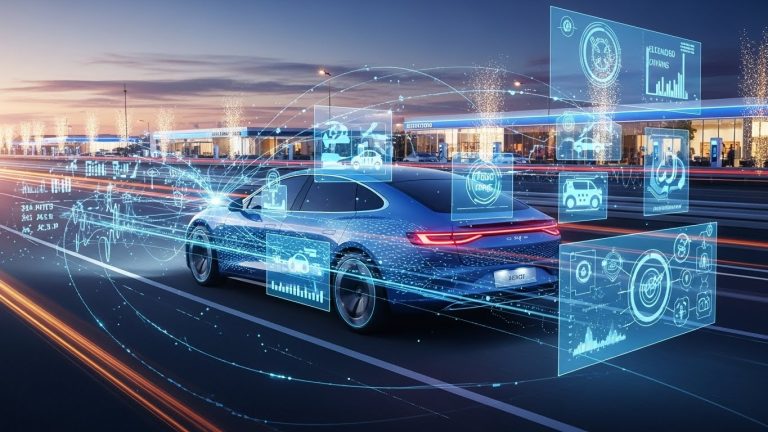
The convergence of electric mobility with autonomous driving technology presents exciting opportunities for the future of transportation. Autonomous electric vehicles (AEVs) can optimize energy use through efficient routing and driving patterns, reducing overall emissions. Moreover, AEVs hold the potential to revolutionize public transit and shared mobility, offering sustainable and convenient transportation options that reduce the need for personal car ownership.

Innovative Battery Recycling Solutions
As the number of electric vehicles on the road increases, so does the need for effective battery recycling solutions. Innovative approaches, such as closed-loop recycling systems and second-life applications for EV batteries, are being developed to address this challenge. By maximizing resource recovery and minimizing waste, these solutions contribute to the sustainability of the EV industry and reduce the environmental impact of battery production.
Conclusion: Embracing a Sustainable Future
Electric vehicles are poised to play a pivotal role in the global transition towards a more sustainable future. By reducing emissions, improving air quality, and enhancing energy efficiency, EVs offer a viable solution to some of the most pressing environmental challenges of our time. However, realizing the full potential of electric vehicles requires concerted efforts from governments, industry players, and consumers alike.
To ensure a successful transition, it is essential to continue investing in renewable energy, advancing battery technologies, and expanding charging infrastructure. Additionally, fostering international cooperation and sharing best practices will be key to overcoming the challenges associated with EV adoption and maximizing their environmental benefits.
As we move forward, embracing the opportunities presented by electric vehicles can lead to a cleaner, healthier, and more sustainable world. By staying informed and actively participating in this transformative journey, we can contribute to a future where transportation is no longer a burden on the environment but a catalyst for positive change.
For further exploration of sustainable transportation solutions, consider visiting Transport & Environment, an organization dedicated to promoting cleaner and smarter transportation policies in Europe and beyond.
About the Author