Brazil’s move toward electrified mobility is no longer a peripheral debate; this analysis asks why Electric Vehicles Brazil is gaining traction beyond niche buyers, shaped by policy, consumer expectations, and industrial strategy. The question sits at the intersection of macroeconomics, energy policy, and urban planning: if electricity remains a disproportionately clean fuel in the Brazilian energy mix, can EVs deliver meaningful climate and air-quality benefits while staying affordable for households and competitive for manufacturers? The answer depends not only on sticker prices but on a web of incentives, charging availability, and the capacity of domestic industry to scale toward mass production. As automakers, utilities, and policymakers converge around a shared agenda, the Brazilian EV story is less about a single technology and more about a systemic shift in how people move, how energy is priced, and how cities are designed for the long run.
Context: policy, market, and infrastructure
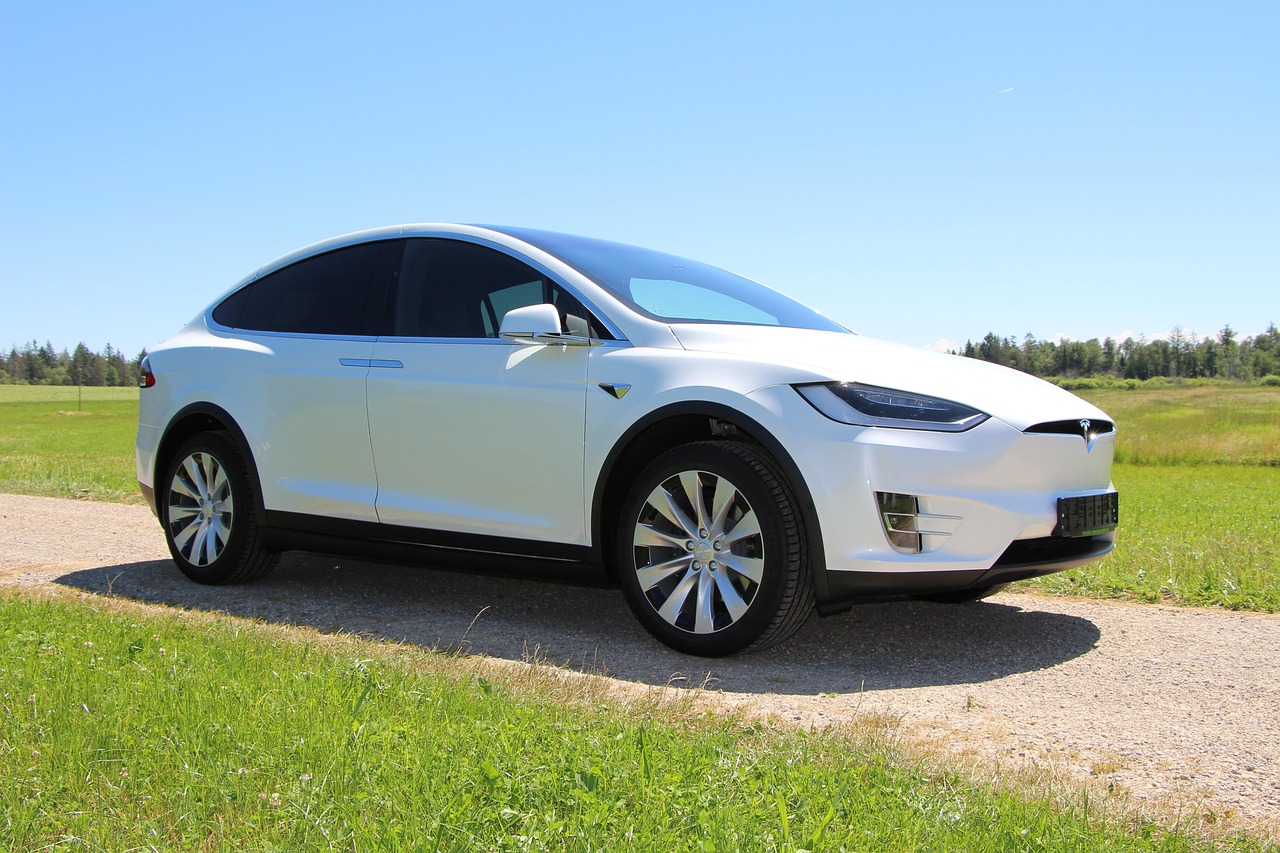
Three policy currents shape the Brazilian EV landscape. Federal programs aimed at reducing emissions and boosting efficiency sit alongside state efforts to cut the upfront cost through tax relief and discounted energy tariffs for charging. While incentives vary by state, the signal is clear: electrification is a strategic priority rather than a side project. This creates a differential appeal for urban dwellers with short daily trips who can charge at home, and for fleets that can justify the capital outlay through predictable operating costs. On the market side, automakers are testing a mix of city cars and mid-range SUVs, with Blade battery technology highlighted for safety and space efficiency. The emphasis on local content and localization hints at a future where assemblies and parts migrate closer to consumer markets, reducing logistics risk and currency exposure. Infrastructure is catching up, but gaps remain: long-distance travel, rural coverage, and public charging in older neighborhoods challenge uniform adoption.
Economic calculus: costs, incentives, and ownership
Despite higher upfront prices, the Total Cost of Ownership (TCO) advantage of EVs grows as energy costs shift and gasoline volatility persists. Battery costs have fallen over the past decade, and government-oriented incentives—where available—help close the gap. In practice, buyers weigh not just the sticker price but long-run savings on maintenance, tire wear, and fuel, along with battery warranties and potential resale values. Utility planners face a similar math: a charging stack that aligns with grid capacity and time-of-use tariffs can shift the burden from expensive peak generation to surplus renewable periods. For fleets, the economics are particularly compelling when usage patterns maximize daily miles per charge, enabling a predictable budget even as electricity prices wander. The market response has been cautious but constructive: automakers price EVs to compete in segments where fuel costs are typically highest, while pilots emphasize service and reliability in dense urban corridors.
Industry dynamics: manufacturers, charging, grid readiness, and future scenarios
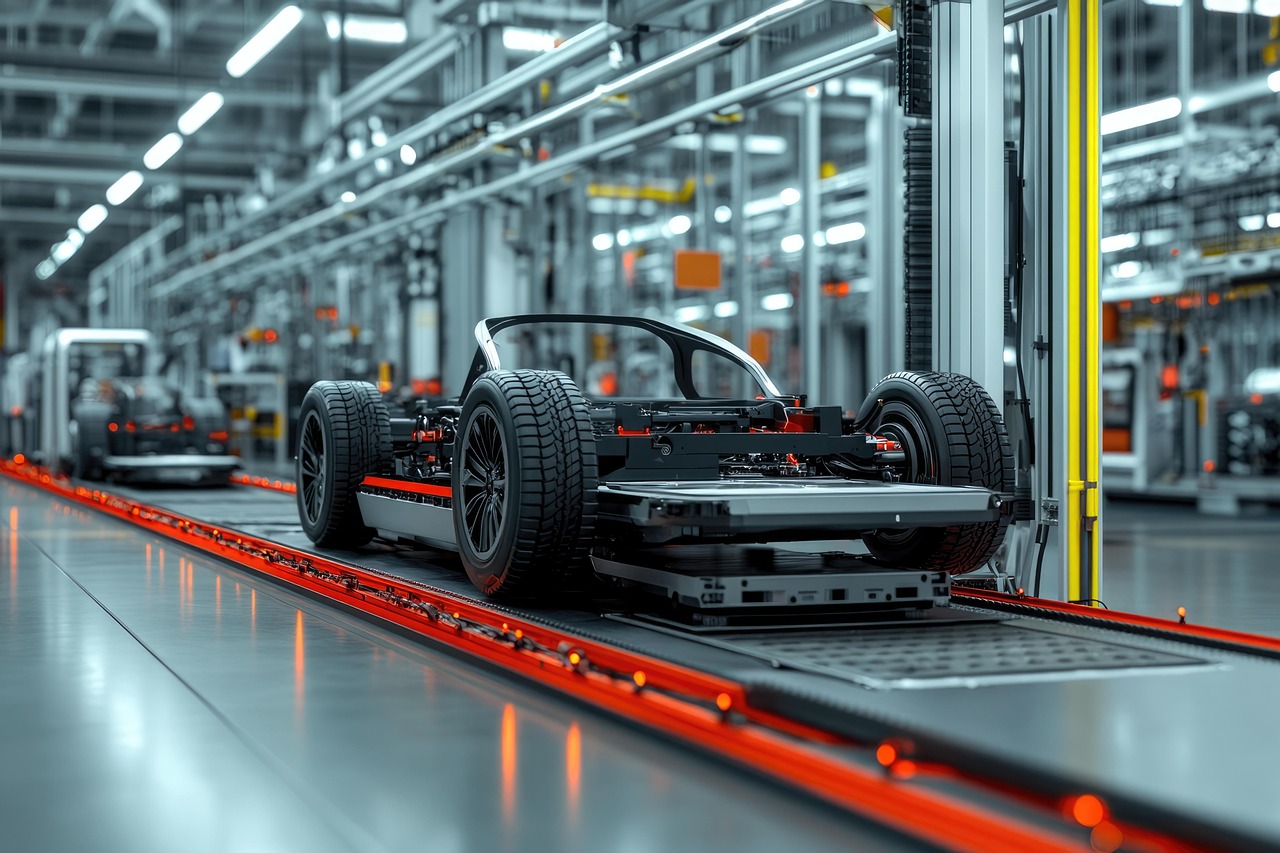
Manufacturers are recalibrating supply chains to Brazil’s logistics realities. Local assembly and component sourcing reduce exposure to currency swings and import delays, while creating skilled jobs in urban and regional centers. But success hinges on the charging matrix: fast-charging corridors, interoperable payment systems, and reliable grid support. Utilities boards are experimenting with demand-response programs and time-of-use pricing to smooth peak load, especially as EV adoption climbs in metropolitan areas. From the technology perspective, blade batteries and thermal management innovations enable lighter, safer EVs with longer service lives, reinforcing consumer confidence and fleet reliability. The interplay between automakers, service networks, and policy signals will determine how quickly Brazil moves from pilots to mass-market models, and how quickly charging habits harden into everyday routines. Looking ahead, three plausible trajectories frame risk and opportunity: a base case with steady policy continuity, an optimistic surge driven by localization and expanding charging, and a cautionary path where macroeconomics or supply constraints slow deployment. The outcome will hinge on grid resilience, charging affordability, and how well the market aligns practical needs with city-scale mobility goals.
Actionable Takeaways
- Policymakers should pursue stable, nationwide incentives and ensure charging interoperability to reduce friction for early adopters and fleets.
- Automakers should commit to local sourcing where feasible, expand after-sales service networks, and offer affordable entry models to broaden market reach.
- Utilities and regulators must invest in smart charging, time-of-use pricing, and grid upgrades to accommodate growing charging demand without compromising reliability.
- Consumers should evaluate total cost of ownership, warranty terms, and access to charging options before committing to a model, considering urban versus rural use cases.
- Researchers and media should track real-world performance, publish transparent metrics on charging reliability, utilization, and grid resilience to inform policy and investment decisions.